Revinylization

Sort By: Post DateTitle Publish Date

Revinylization #73: Muse Records via Zev Feldman's Time Traveler Records
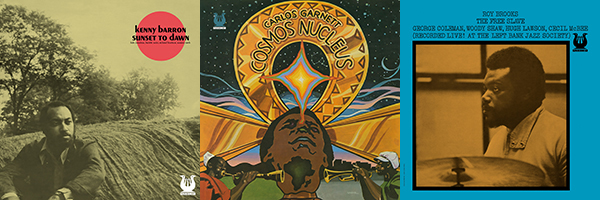
As the jazz buyer for Tower Records's Lincoln Center (66th St.) location in the early 1990s, I held a unique vantage point on New York City, its music and culture. My position guaranteed daily encounters with an eclectic variety of unforgettable characters. Between regular visits by the likes of Kareem Abdul-Jabbar (grouchy), Kathleen Turner (pushy), and Michael J. Fox (perpetually running from the store's female staff), I saw a lot.
Revinylization #66: Queen Irma Thomas and New Orleans band Galactic

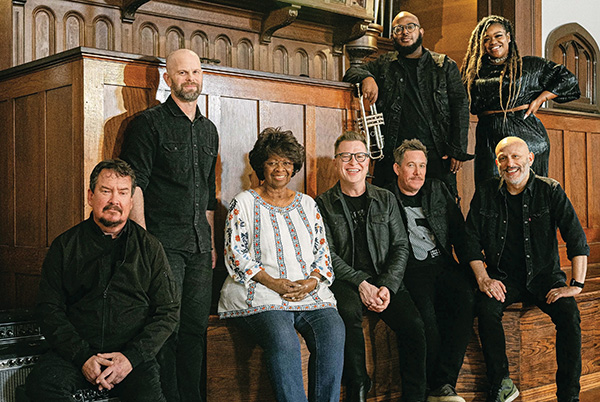
Photo By Katie Sikora.


In 2010, the funky-eclectic New Orleans band Galactic—known today as much for being the owners of the city's storied Tipitina's club as for their music—cut their song "Heart of Steel" with singer Irma Thomas for their album, Ya-Ka-May. The band noticed that Thomas soon included the same tune in the sets that she played with her band. In 2022, Galactic decided to revisit the Thomas connection and came up with the idea of collaborating with her on an entire album of new music.

Revinylization #65: Six Doors Albums on All-Analog LPs from Rhino

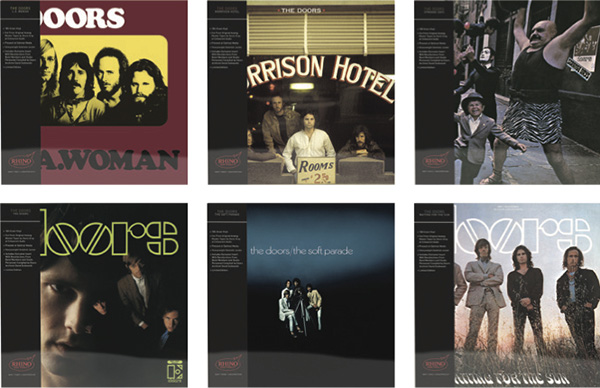
For Warner Music Group, the Doors have been a deep vein of music gold. Their albums have never been out of print, and the catalog has enjoyed regular reissues for decades. Each new version of the Doors' first six albums sells well enough to prompt another trip to the vaults.


The latest moonlight drive down love street is a series of all-analog LPs from Rhino High Fidelity (RHF). A limited-edition numbered box set version sold out in days; un-numbered single LPs will sell until the production parts wear out. Cut by Kevin Gray at Cohearant Mastering using his Studer A-80 tape machine and Neumann VMS-66 lathe with Technics quartz-drive motor, they were plated and pressed at Optimal in Germany and are housed in the heavy-cardboard gatefold jackets used throughout the RHF series.

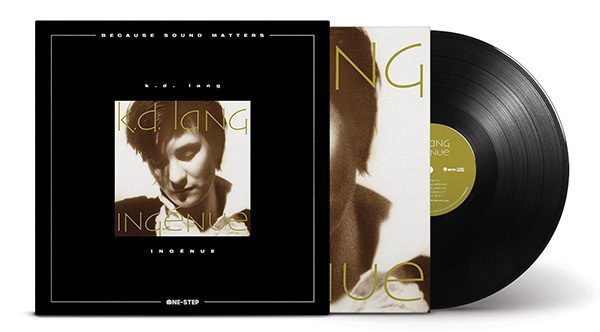
Revinylization #64: k.d. lang's All-Analog Ingénue

Kathryn Dawn Lang was country ... until she wasn't. A native of the Canadian province of Alberta, lang (who prefers her name lowercase) grew obsessed with Patsy Cline and country music in general before she was out of college. She joined the Patsy-focused country act The Reclines in 1983 in Edmonton. They released their first album, A Truly Western Experience, in 1984.


Styled as "cowpunk" by many, the album caught the ear of pub-rocker Dave Edmunds, who produced the band's next, rockier album, Angel with a Lariat. That album, in turn, found its way to Patsy Cline's one-time producer Owen Bradley, who in 1988 produced lang's solo debut, Shadowland, on Sire Records. Shadowland and the Reclines' final album, 1989's Absolute Torch and Twang, convinced lang that she was too adventurous—not to mention too gay and Canadian—for the 1980s country music establishment.

Revinylization #63: The Three-Horned Vinyl Rhino

Rhino Records started in 1978 as an eclectic indie label specializing in compilations and offbeat reissues. Its emblem was a scowling rhinoceros-human hybrid with a record spinning on the tip of its horn. Time Warner acquired the label during the 1990s, and today Warner Music uses it as its chief nonclassical reissue vehicle.


As a back-catalog label, Rhino was active early in the vinyl revival—and it continues to be. Rhino quickly learned that a popular older album, when released as a high-quality physical artifact—whether it's an LP, a CD box, a multichannel Blu-ray audio disc, or a combination of formats—engages fans more than merely dropping a new remaster onto streaming. I spoke with Rhino's president, Mark Pinkus, about the company's three-tier vinyl strategy soon after the company announced the third of those tiers, a new, lower-priced all-analog vinyl line called Rhino Reserve.

Revinylization #62: Lou Donaldson

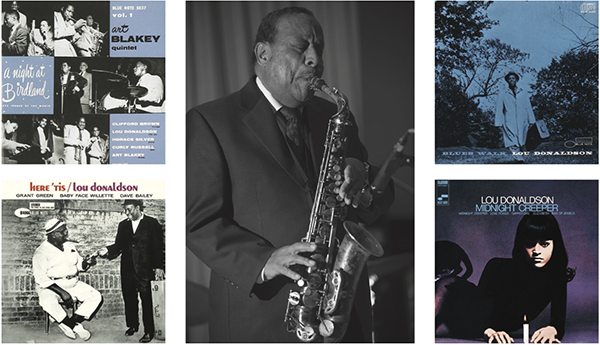
Years ago, at one of the milestone NYC anniversary parties for Blue Note Records, a piercing voice burst out above the clinking glasses and chattering tongues, loudly declaiming (quoted here with several profanities omitted), "Blue Note never gave me a dime!"


A lot of people turned to see who dared profane the label within earshot of beloved Blue Note president Bruce Lundvall and his staff, including the late Tom Evered. A gasp of recognition followed when it was discovered that those words had come from Lou Donaldson, one of the few original Blue Note bebop stars still out partying and playing music in the 21st century.

Revinylization #61: Lone Justice Rides Again

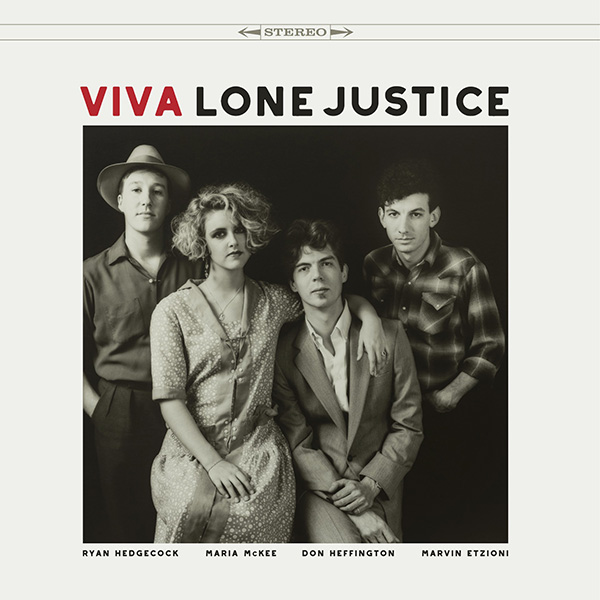
For musicians' sake, the terms "sure thing" or "a hit" should be permanently stricken from the music business lexicon. Like Beetlejuice, if you say it enough, bad things are sure to occur. But in the long annals of the music business crushing the dreams of artists who were a "sure thing" and singles or albums that were guaranteed to be "a hit," few have risen higher and fallen faster than Lone Justice. Rising stars on the Los Angeles music scene in the early 1980s, they melded punk-rock attitude and ethos with a love for classic country music. The New York Times called them "Impressive, ingenious, and forceful." After seeing them, both Linda Ronstadt and Dolly Parton genuinely praised their sassy young singer, Maria McKee.

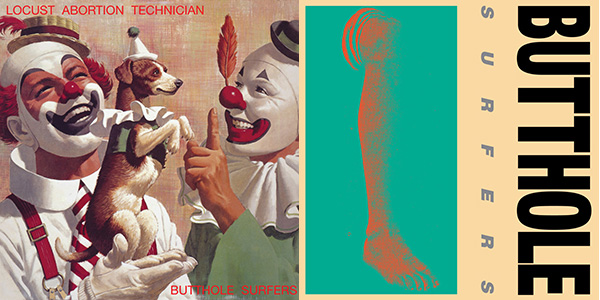
Revinylization #60: The Butthole Surfers Wipe Out

Music's lunatic fringe drifts further out every hour. As it should. In this century, with computers playing an ever-larger role, music continues to fragment and become infinitely more varied. This splintering is either the essence of what keeps it relevant as an art form or something profoundly disturbing, to be hated and feared.


In the mid-1980s, few bands were as loved, despised, and misunderstood as the Butthole Surfers. The impulse to tread in unexplored borderlands of noise, studio blathery, live excess, indulgent nonsensicalness, and the urge to reconnoiter unheard sonics were all taken to heart by a nutty duo of Texans whose dulcet appellation was originally one of their song titles.

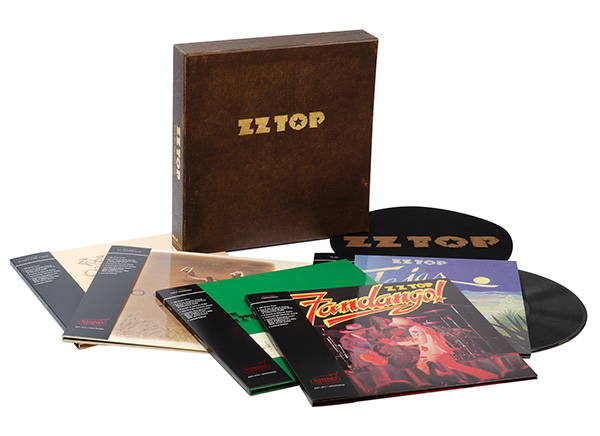
Revinylization #59: Takin' it from the (ZZ) Top

Before the beards, before the fuzzy spinning guitars, before the "Legs" video, there was an electric blues trio, that little ol' band from Texas, ZZ Top. In five years in the 1970s, they made their finest albums and found their first success. They came, they conquered, and gargantuan blues riffs—not to mention the concept of the power trio—were never the same.


Anthologized and reissued many times since their release—Tres Hombres alone has been reissued on vinyl three times just since 2006—the band's first five albums have been reissued again in an impressive, limited-edition boxed set from Rhino called From the Top: 1971–1976.

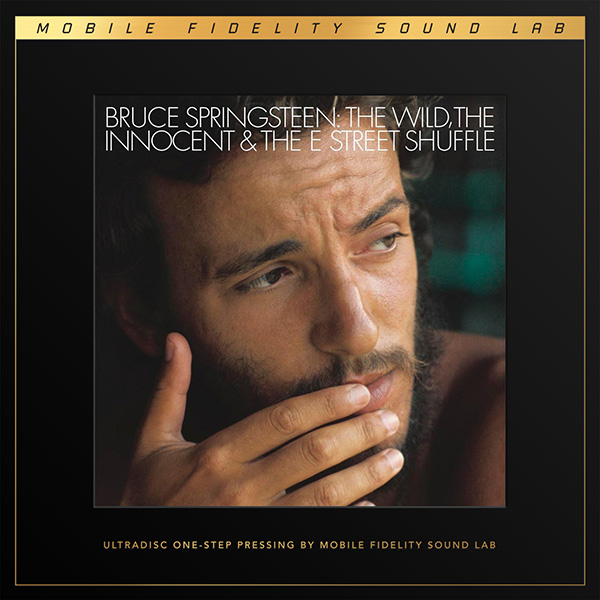
Revinylization #58: The Wild, The Innocent, & The E Street Shuffle on MoFi

While it's a distant memory now that he's making mediocre albums and using his US website to sell $50 T-shirts for gigs in Helsinki, there was a time when Bruce Springsteen had a hungry heart: Hungry to be perceived as a consequential artist. Focused on telling stories and making vivid albums. Alive with conflict and memorable characters. Back in those days, the early 1970s, he broke any number of rules and barriers. In the case of The Wild, The Innocent & The E Street Shuffle, that meant defeating the dreaded sophomore slump.
Advertisement
Advertisement
Advertisement