Revinylization

Sort By: Post DateTitle Publish Date

Revinylization #7: Lee Morgan's The Cooker
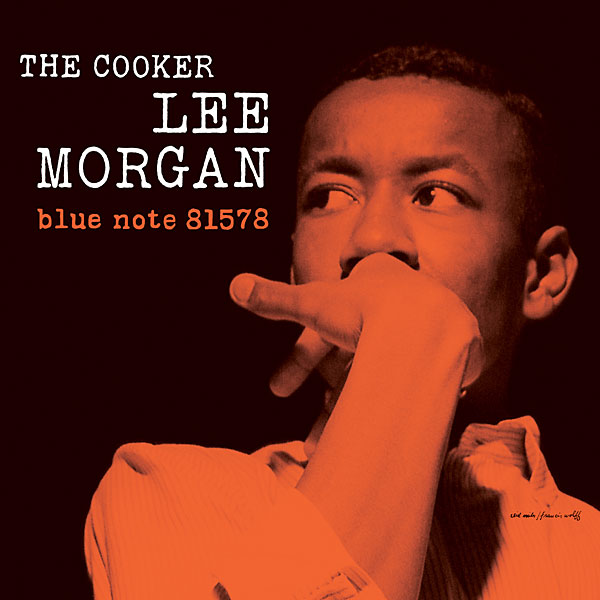
Jazz collecting has an archaeological aspect to it; it's one of my favorite aspects of the hobby. Far more than most other genres, jazz evolved over its first several decades, and it did so on record. Every musician was distinctive, changed from session to session, and interacted with other musicians in ways specific to the ensemble, the time, the place, and the mood. Every record, live or from a studio, is a snapshot of where jazz was precisely then and there. You can get to know musicians' styles, and with practice, you can really hear what's going on.
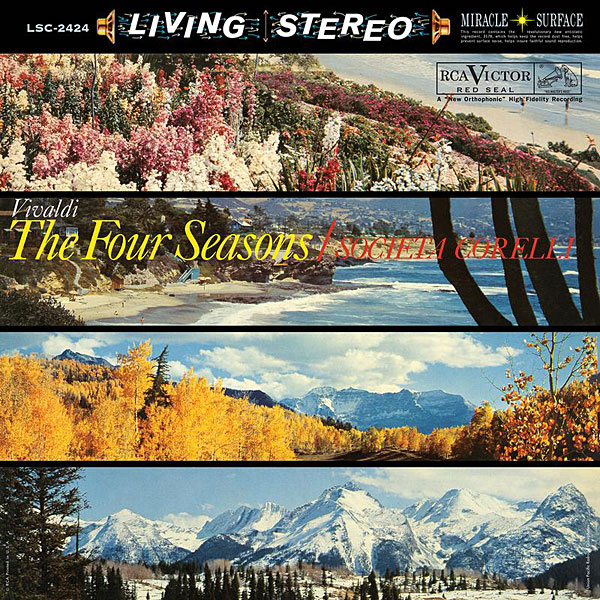
Revinylization #6: Acoustic Sounds Bach & Vivaldi Reissues

I'm not in perfect agreement with my colleagues and friends who believe that RCA's Living Stereo LPs from the late 1950s and '60s are the best-sounding commercial classical recordings ever made. To me, the Decca SXL catalog outshines them sonically, in addition to showcasing the talents of an even greater roster of artists. But that's not to say I'm immune to their charms.


The RCA catalog contains some real gems.

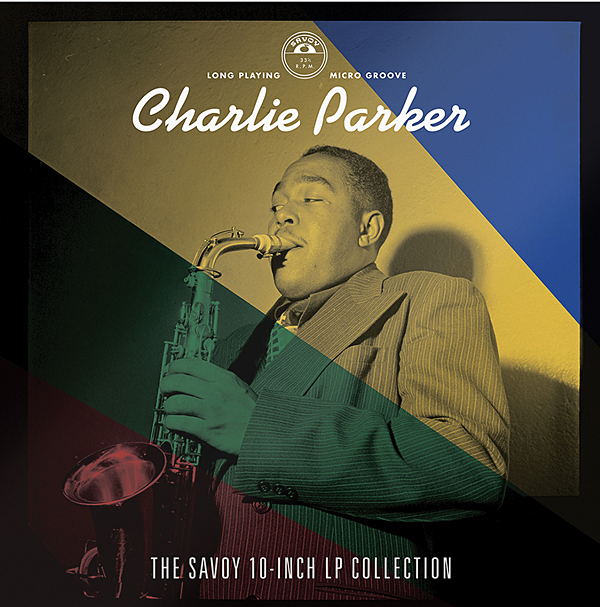
Revinylization #5: Craft Recordings & Charlie Parker's Savoy LPs

I was well over 50 when I first heard an original copy of Charlie Parker's "Ko-Ko." It was a happy accident. I received a call from the family of a well-to-do neighbor who had recently passed away, asking if I'd be interested in having his record collection. Three minutes later, I was parked near the servants' entrance of their centuries-old brick mansion—how quickly we forget our proletariat resentment when there's vinyl to be had—loading a few cartons of LPs and 78s into my car.

Revinylization #4: Sundazed Music/Modern Harmonic and Speakers Corner

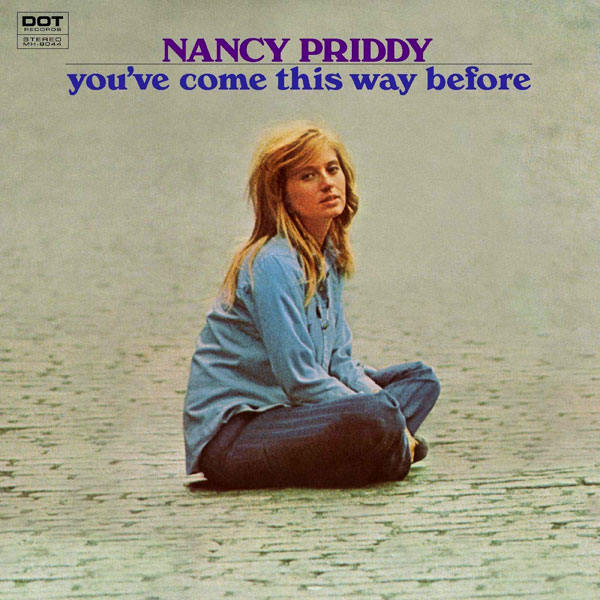
Singer/actress Nancy Priddy's sole commercial recording, a 1968 album titled You've Come This Way Before—originally issued on Dot Records and now reissued by Sundazed Music/Modern Harmonic (Dot/Modern Harmonic MH-8044)—is a period piece. The arrangements, in which strings, flutes, Herb Alpert–esque trumpets, a harpsichord, a Vox Continental organ, and New Christy Minstrel–style backing singers all appear, are somewhat dated. (Indeed, the opening bars of the title song sound like the sort of cheesy electric pop that the producers of This American Life use as incidental music, apparently to express their limitless stockpiles of irony.) And some of Priddy's lyrics make the listener thankful for her poor enunciation.

Revinylization #3: Analogue Productions, Blue Rose Music, Mobile Fidelity

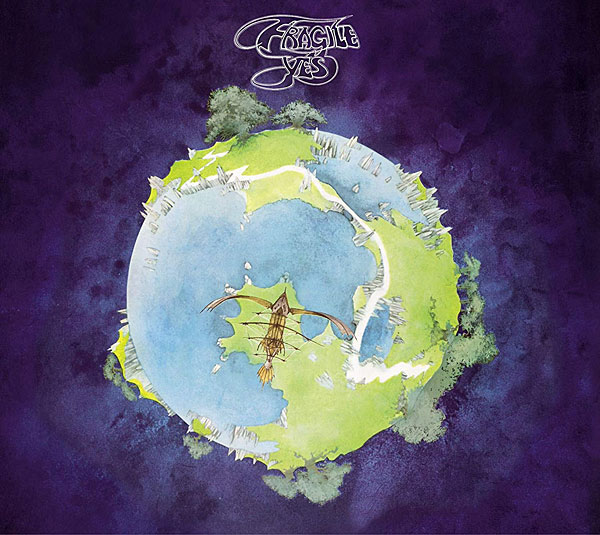
In the January 2020 Stereophile, I described my transformation from John Fahey skeptic to John Fahey fan; suffice it to say, the late guitarist was far from the only musical artist whose work I came to enjoy only after a number of failed attempts. Another was the English band Yes, which I saw in concert in 1977, at New York's Madison Square Garden: I was so bored by the many lengthy instrumental solos, each one remarkable only for the sheer number of notes being squirted at me, that I literally nodded off. (In my defense, it was also very warm in there.)

Revinylization #2: Frog Pad Records, Electric Recording Company, Blue Note Tone Poet

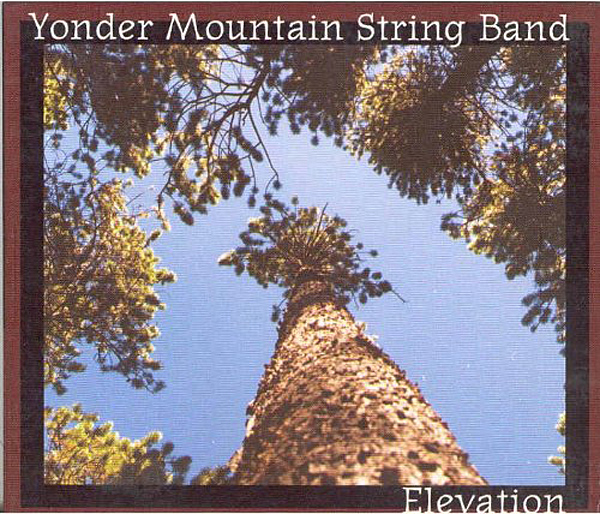
Next to Christmas carols, Sousa marches, and the collected works of Bobby "Boris" Pickett, there's no more seasonal music than bluegrass, which comes to life at the 30 or so major outdoor festivals and scores of smaller events that take place every summer throughout the US. As I write this, on the day after Thanksgiving, 2019's bluegrass season is only a memory, and the 2020 season is more than a half a year away.

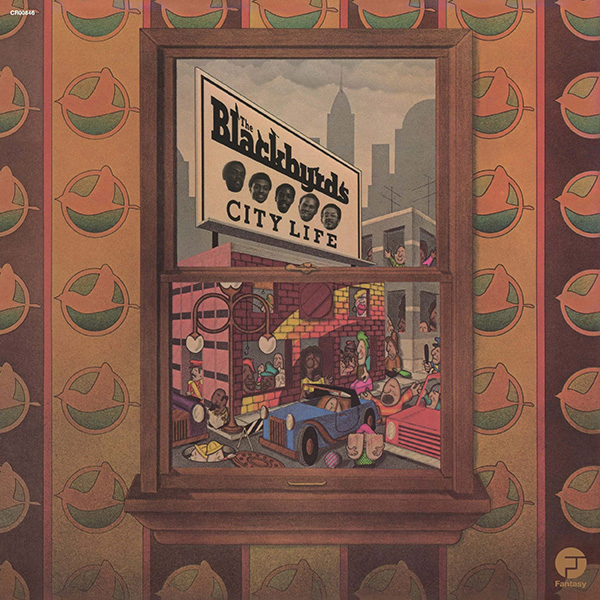
Revinylization #68: Craft Recordings reissues The Blackbyrds' City Life

As a music teacher, I can think of no better learning experience than what trumpeter Donald Byrd did in the early 1970s for a group of his music students. To quote the band's current website, "Byrd envisioned taking active students at Howard University in Washington, DC, on a real-world field trip which would expose them to ins and outs of the music business."

Revinylization #69: Pablo Records via Granz and Kassem

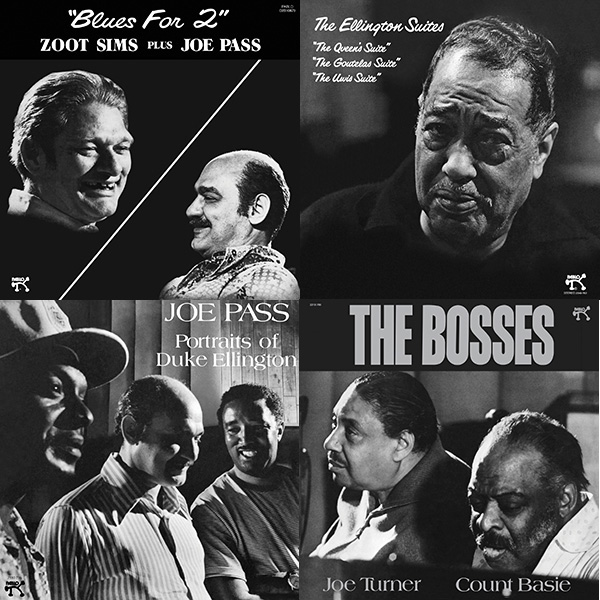
Way back in my ignorant youth I thought that Pablo Records, the label of jazz producer/promoter legend Norman Granz, was where jazz artists went to fade away, where they were put out to pasture. I thought the black discs inside Pablo's black-and-white jackets, which depicted jazz greats tracking sessions in their twilight years, couldn't compete with the music of younger jazz guns.
Advertisement
Advertisement
Advertisement