Aural Robert

Sort By: Post DateTitle Publish Date

Best of the Blues—from Kansas
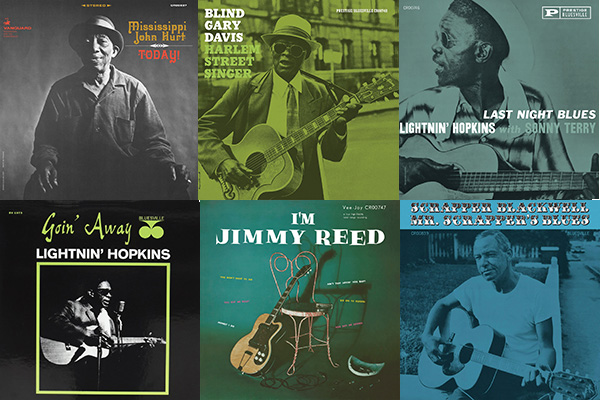
Chad Kassem knows what it takes to make an immortal blues record. "Somebody who lived down in Texas, Louisiana, Mississippi, the South. They lived through it. Their story is real, and their voice is real."


The founder/owner of Analogue Productions and longtime blues true believer, Kassem's record label, mail-order warehouse, and vinyl plating and pressing plant—all headquartered in Salina, Kansas—were recently profiled in The New York Times ("The Wizard of Vinyl is in Kansas," March 5, 2025). Among his many business ventures, Kassem is part of the new Craft Recordings vinyl-reissue series of titles drawn from the Bluesville catalog, which is owned by Craft's parent company, Concord Records.
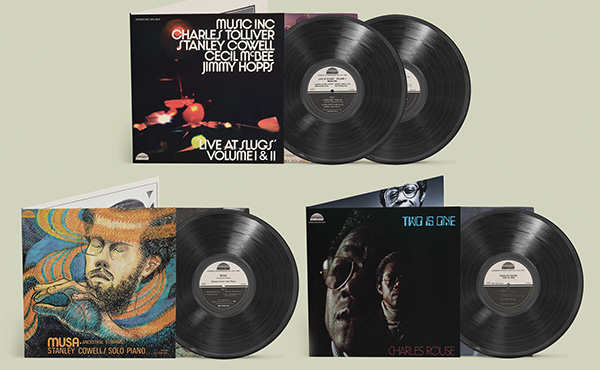
Charles Tolliver and Strata-East

The why behind most artist-owned labels tends to be a thicket of motivations. They have more adventurous tastes. They are more artist friendly. They are anxious to be the ones in charge of the money for a change. For jazz trumpeter Charles Tolliver, co-founder of the record label Strata-East, the motivation was a combination of all these factors and more.


During a break in the hectic schedule that preceded the April 2025 release of 32 reissues from the famed Strata-East catalog—including the work of Charlie Rouse, Pharoah Sanders, and Cecil McBee—I caught up with Tolliver and his son Ched, who's now in charge of the label's rebirth.

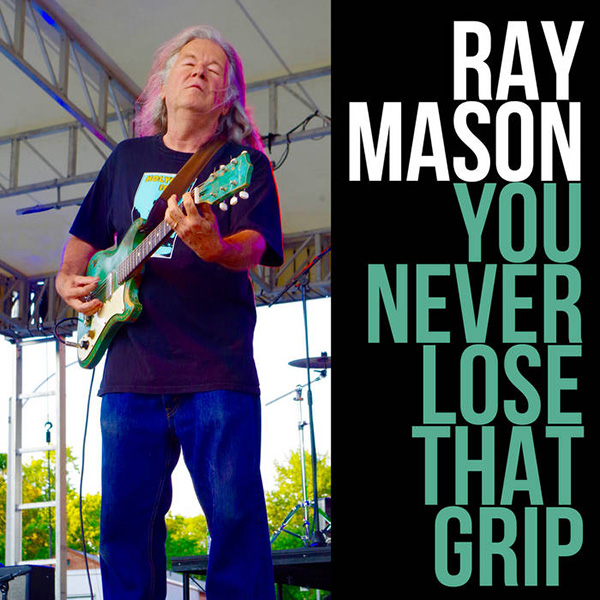
Ray Mason Keeps His Grip

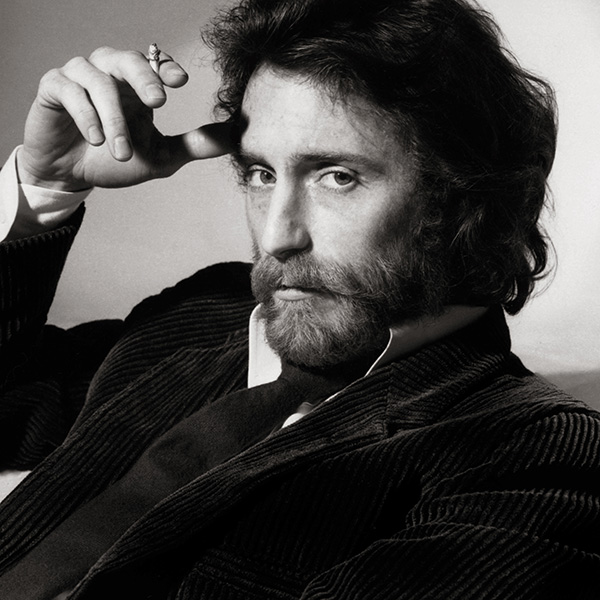
Staying up on what's new in music ain't easy these days, in a world short on new record stores and long on websites, social media blather, and celebrity. Asked what he listens to when he's not writing music, fast-talking septuagenarian Ray Mason exudes a teenager's eager urgency.


"I keep my ears open. I've been listening to new stuff by people I have been following for years like Nick Lowe and The Straitjackets, Rodney Crowell, Kathleen Edwards, and Lucinda Williams. And then Craig Finn. I don't own any Hold Steady albums, but I love his last two solo albums. He has a new one coming out that [Adam] Granduciel from War on Drugs produced. And The Beths of course, Expert in a Dying Field. I remember hearing [The dB's] Pete Holsapple raving about that on the web and I went, I've gotta get that album!"

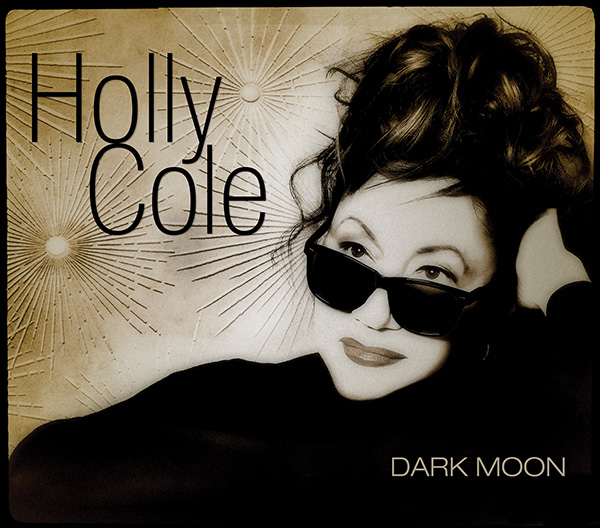
Holly Cole's Dark Moon

Discovering music as it is being recorded—singer Holly Cole seeks that kind of spontaneity on her recordings including her latest, Dark Moon on Rumpus Room/UMG Records. As she put it, she wanted this record with her longtime quartet to capture "the moment when the light turns on for us."


"On Dark Moon, you hear the essence of when we discover a song," she said during a recent interview. "We had very brief rehearsals, and then went in and recorded. I had a lot of faith in this band, and that's why I cherry-picked them. They know me, they know I'm a minimalist, and we were able to arrange in the studio. Some of the tracks are first takes. The more complex the arrangement, the longer it took. They are all three, four takes at the most. People have to be hard listeners in this band, or it will fail. That's the case on Temptation, and that's on this record."

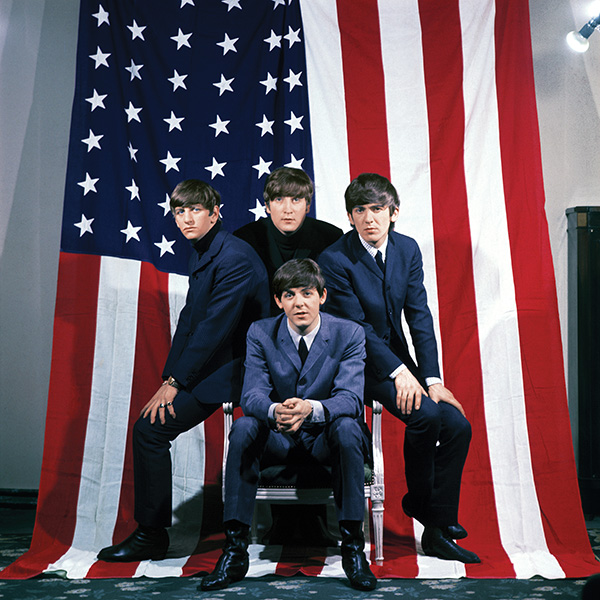
The Beatles in Mono According to Kevin

"But it is the wildest, most incredible music story of all time and I'm at least mildly flattered that I played a miniscule part in it.


I'm even more pleased that it's all behind me."

—Dave Dexter Jr. From his autobiography, Playback


It's almost too easy to make Dave Dexter Jr. the villain in the story of the Beatles' fumbled introduction to America. A devoted denigrator of rock'n'roll who thought it was a passing fad meant for the kiddies, and who also thought John Lennon played "lousy harmonica," he was just one of the many older music fans who were sure that Elvis Presley's hips had been a corrupting influence on America's youth, not to mention on good music.


The head of International A&R at Capitol Records, then owned by the UK's EMI, Dexter was no fan of British acts in general. He also turned down Manfred Mann, The Animals, The Yardbirds, and The Hollies.

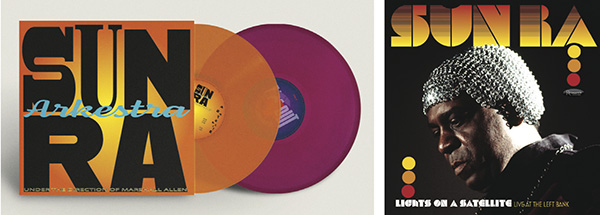
Sun Ra Times Two

Two albums with the same title, by the same artist, basically released one week apart on the same planet? Even considering the dubious history of music-biz capers and catastrophes, the Lights on a Satellite kerfuffle is hilariously surreal. By the time it was discovered, covers were already printed and records were already pressed. It's so bizarre that it's tempting to suspect intergalactic powers were involved. Could the ghost of that interstellar traveler, Master Sun Ra, who thought space was the place, have had a hand in this unlikeliest of Saturnian conjunctions?


Fortunately, the two versions of Lights on a Satellite are very different.

Return to Analog's Pierre Markotanyos

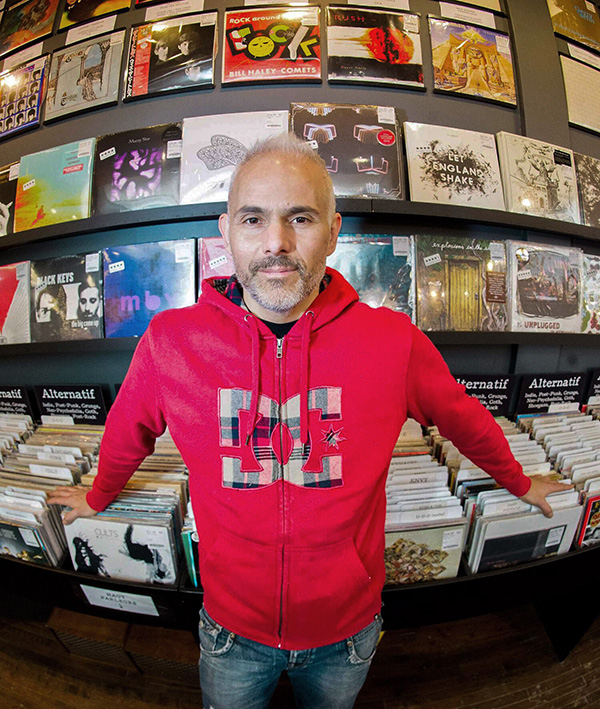
The return of vinyl, which has stayed popular and profitable since its resurgence, has now developed a surprising nuance. Pierre Markotanyos, the owner of the reissue label Return to Analog and Montreal record store Aux 33 Tours (which refers to the speed at which an LP spins), has noticed a distinct change in the makeup of who's buying vinyl these days. "In the late 2000s," Markotanyos reflects, "it was mostly 55-to-70-year-old guys who were coming in, buying records to play on their high-end stereos that they bought at the audio show in Montreal." [Sound familiar, Stereophile readers?] "They were the purists and the true believers."

Jenny Scheinman and her All Species Parade

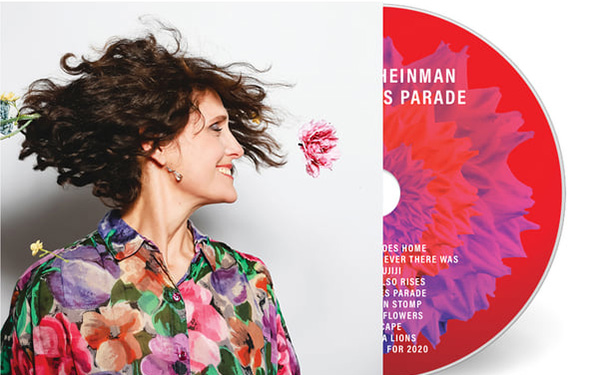
Most of the provocative and charismatic popular music made today is an unclassifiable mixture—a hybrid of whatever styles, sounds, and instruments happen to move its creators. Violinist Jenny Scheinman not only composes multi-hued music that is singularly her own, but she lives in two very different musical worlds: the progressive world of jazz, and the more song- and tradition-based environs of Americana.


Scheinman's latest solo album, All Species Parade, released in October 2024 on the Royal Potato Family label, is a classic example of her unique vision and chameleon-like ability to blend seamlessly into disparate musical contexts, with nods to both jazz and Americana.

ORG's Dave Gardner Rescues a Bad Brains Album

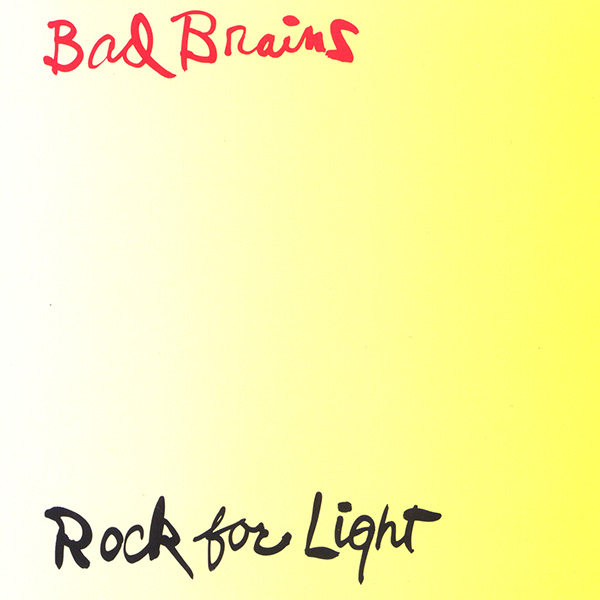
Playing an astonishingly original mix of reggae and thrashy punk rock, Bad Brains released their self-titled, cassette-only 1982 debut on ROIR records. Punk rock is notorious for eschewing well-recorded music in favor of lo-fi murk, and that original tape fit the pattern. But the next year, the turbulent foursome—guitarist Dr. Know, bassist Darryl Jenifer, drummer Earl Hudson, and vocalist H.R.—went into Synchro Sound in Boston with Ric Ocasek of The Cars and tracked Rock for Light, a huge step up in the quality of Bad Brains' recorded sound.
Advertisement
Advertisement
Advertisement