Robert Baird, Phil Brett, Ray Chelstowski

ReDiscoveries #8: Louis Armstrong in London

No jazz-centric visit to New York City is complete without a trek out to Queens. At 46th Street in Sunnyside stands the apartment building where famed cornetist Leon Bismark "Bix" Beiderbecke's alcoholism finally killed him in 1931. Farther out, in Corona, is the newly enlarged and expanded Louis Armstrong House Museum. The actual house Armstrong bought in 1943 and lived in until his death in 1971 is just the way it was when his fourth wife, Lucille, died there in 1983. The long white couches, bright blue kitchen cabinets, and wall-mounted reel-to-reel tape decks behind his desk in the upstairs den remain, all extraordinarily well-preserved. Just north of there, in Flushing Cemetery, you can visit Armstrong's grave.

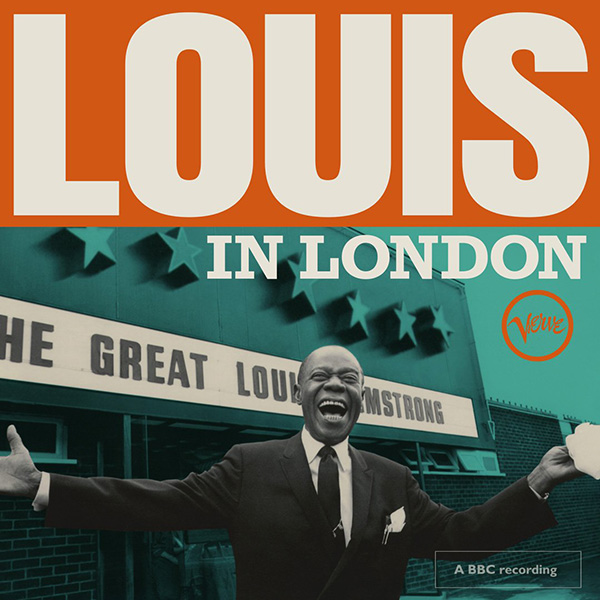
Pops, as he was affectionately known by friends and fans, was an inveterate maker of scrapbooks and tapes of his music. By spring 1969, he had a pair of Tandberg reel-to-reel recorder/players up and running. One of his then-new treasures was a set of tapes made by the BBC from television broadcasts recorded the preceding summer. Music from those tapes—13 tracks in all, four for the first time ever—has just been released on CD, LP, and streaming, as Louis in London.
Continue Reading »

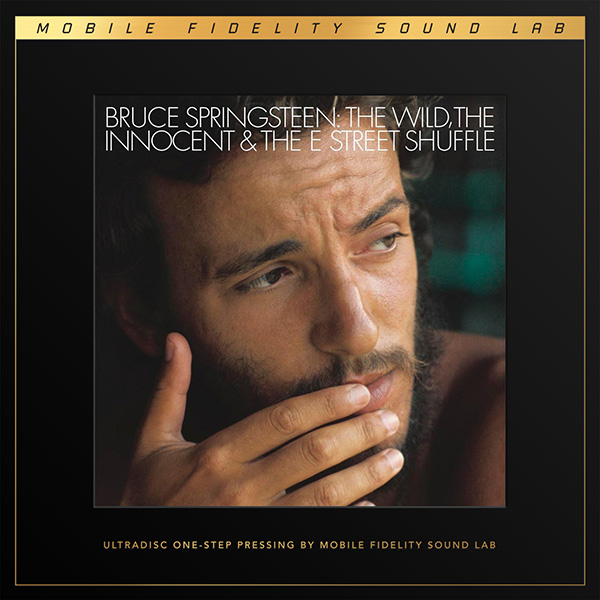
Revinylization #58: The Wild, The Innocent, & The E Street Shuffle on MoFi

While it's a distant memory now that he's making mediocre albums and using his US website to sell $50 T-shirts for gigs in Helsinki, there was a time when Bruce Springsteen had a hungry heart: Hungry to be perceived as a consequential artist. Focused on telling stories and making vivid albums. Alive with conflict and memorable characters. Back in those days, the early 1970s, he broke any number of rules and barriers. In the case of The Wild, The Innocent & The E Street Shuffle, that meant defeating the dreaded sophomore slump.
Continue Reading »

ORG's Dave Gardner Rescues a Bad Brains Album

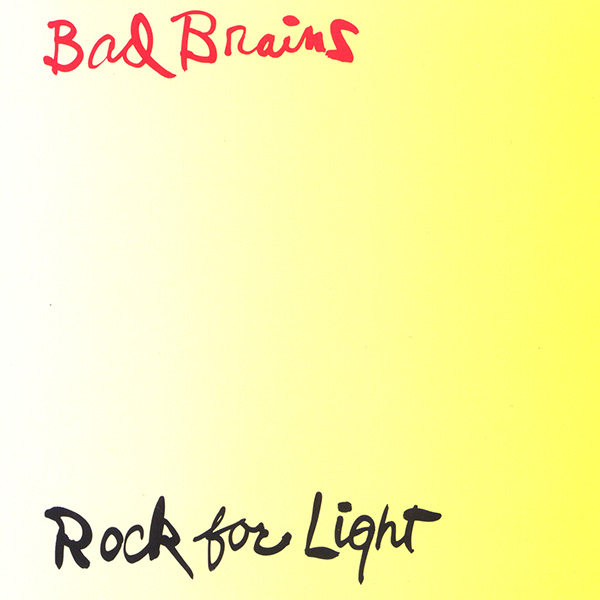
Playing an astonishingly original mix of reggae and thrashy punk rock, Bad Brains released their self-titled, cassette-only 1982 debut on ROIR records. Punk rock is notorious for eschewing well-recorded music in favor of lo-fi murk, and that original tape fit the pattern. But the next year, the turbulent foursome—guitarist Dr. Know, bassist Darryl Jenifer, drummer Earl Hudson, and vocalist H.R.—went into Synchro Sound in Boston with Ric Ocasek of The Cars and tracked Rock for Light, a huge step up in the quality of Bad Brains' recorded sound.
Continue Reading »

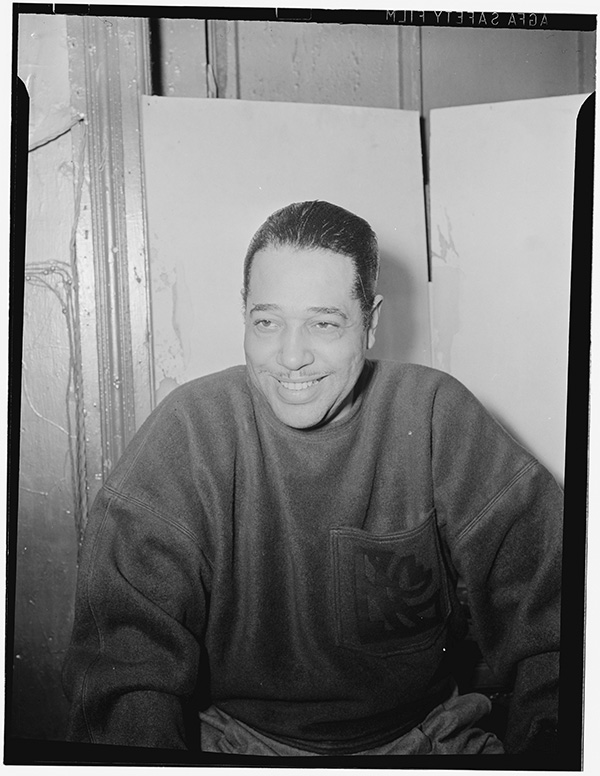
Duke Ellington in 10 Exemplary Tracks

Duke Ellington's death 50 years ago was a massive loss for American music. Elegantly attired, beautifully spoken, and always the picture of sophistication, the African-American icon was one of the greatest composers of American music ever, regardless of genre.

Edward Kennedy Ellington led the Duke Ellington Orchestra (pointedly not a band) from the piano for more than 40 years, using hands and facial gestures instead of a baton. He used charm, flattery, and a deep understanding of human psychology to bind his virtuosos to the orchestra and get the sounds he wanted. Often in collaboration with arranger/composer Billy Strayhorn, the great unsung hero of Ellington's story, Ellington composed music of all lengths and for all occasions for the orchestra he toured the world with from the 1920s into the 1970s.
Continue Reading »

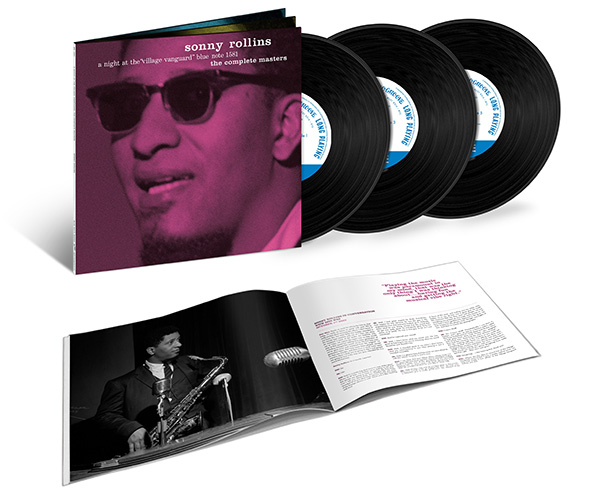
Revinylization #56: Sonny Rollins, A Night at the Village Vanguard, Made New

As one of the first live albums to be recorded in the hallowed space that is New York City's Village Vanguard, Sonny Rollins's A Night at the Village Vanguard (recorded November 3, 1957, released in 1958) set the template, proving that recording in the odd, triangular club could not only work but could also produce distinctive, satisfying sound. Soon after the recording of the Rollins album, Bill Evans and John Coltrane added live Vanguard albums to their recording catalogs.

Now reissued by Blue Note Records as part of its Tone Poet Series, this three-LP edition, which comes from a different source than previous releases, is that rare audiophile reissue where the sonic differences are immediately audible.
Continue Reading »

Music Loses Two Legendary Producers: Steve Albini and Michael Cuscuna

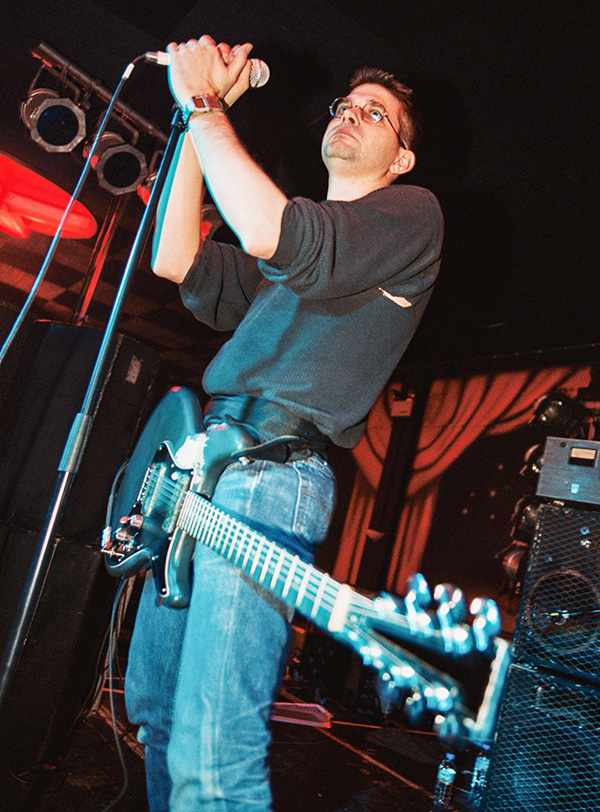
Steve Albini; photo by Edd Westmacott/Alamy Stock.

Recording music is complicated, and without the crucial assistance of producers and engineers, a lot of great records—not to mention successful musical careers—would not happen. Producers Steve Albini and Michael Cuscuna, two key figures from the music world who departed in recent months, richly deserve to be celebrated.

Though they worked in widely disparate genres—Cuscuna primarily in jazz, Albini in punk and noise rock—they are connected by their extraordinary efforts and unfailing taste. Both were exacting, dedicated, and supremely talented. Without the passion and obsessive nature of this one-of-a-kind pair, such records as Nirvana's In Utero and Mosaic Records' boxed sets, including The Blue Note Hank Mobley Fifties Sessions, to name just two examples, would not exist. Cuscuna and Albini were guides and molders, shaping music and our perceptions of it.
Continue Reading »

Cosimo Matassa, laissez les bon temps rouler in New Orleans

It's no secret that the musical history of New Orleans is rich and varied. From Buddy Bolden to a young Louis Armstrong being consigned to the Colored Waif 's Home for shooting off his stepfather's pistol on New Year's Eve, to the many pianists who accompanied the irresistible allure of Storyville, musicians and their music have forever been a key ingredient in NOLA's flamboyant DNA. Most elemental of all—did he facilitate the birth of rock'n'roll?—are those honeyed days at Cosimo Matassa's humble but groundbreaking studio J&M Recording on Rampart Street (1947–1956). There, his infallible ears and uncanny skill placing microphones somehow imparted a raw and very real sound to early recordings of Roy Brown, Little Richard, Fats Domino, Dave Bartholomew, Ray Charles, and my personal favorite, Smiley Lewis. Such labels as Atlantic, Mercury, Aladdin, Specialty, Chess, Savoy, and Modern sent artists to The Crescent City, hoping to glean some of Matassa's elusive magic.
Continue Reading »
Advertisement
Advertisement
Advertisement