LARRY GREENHILL
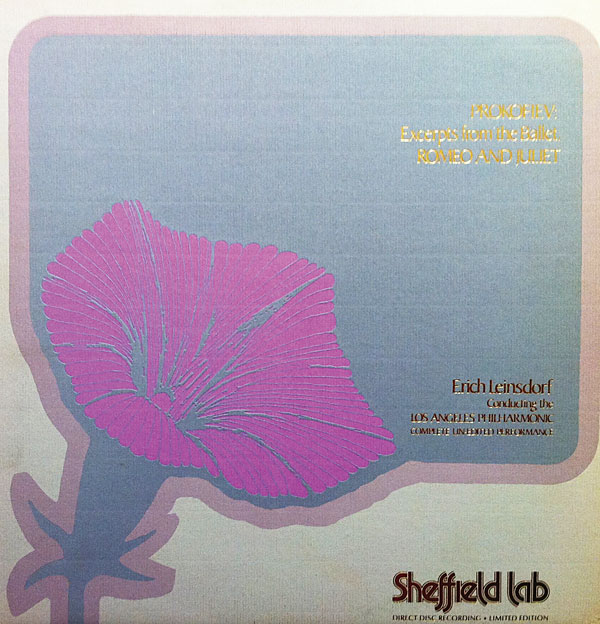 Prokofiev: Excepts from Romeo and Juliet
Erich Leinsdorf, Los Angeles Philharmonic
Sheffield Lab SL25-SL26 (direct-to-disc LP). 1977. Lincoln Mayorga, prod.; Doug Sax, prod., eng.; Bud Wyatt, eng. AAA. TT: 57:12 Direct-to-disc recordings were a revelation when they first appeared. I had never before heard such consistently rich and differentiated musical timbres or dynamic range from an LP, and they became the main reference recordings for my earliest audio reviews. As with many audiophile releases then and now, direct recordings most often featured single artists or small ensembles. Sheffield Lab's releases of Erich Leinsdorf conducting the Los Angeles Philharmonic in works of Wagner and Prokofiev were early exceptions. Though I love both recordings, it is to the luxurious sound of the excerpts from Prokofiev's Romeo and Juliet that I return again and again. The dynamics and orchestral color are incredibly moving, making it the most involving of Sheffield's direct-disc recordings.
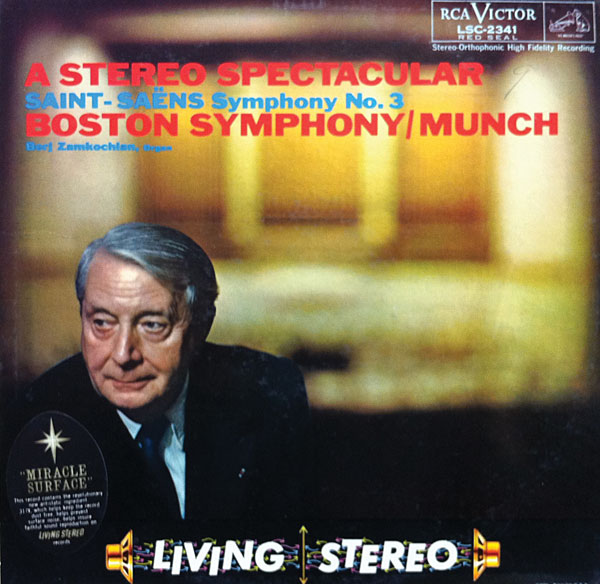 Saint-Saëns: Symphony 3, "Organ"
Charles Munch, Boston Symphony; Berj Zamkochian, organ
RCA Living Stereo LSC-2341 (LP). 1959. Richard Mohr, prod.; Lewis Layton, eng. AAA. TT: 52:33
JON IVERSON
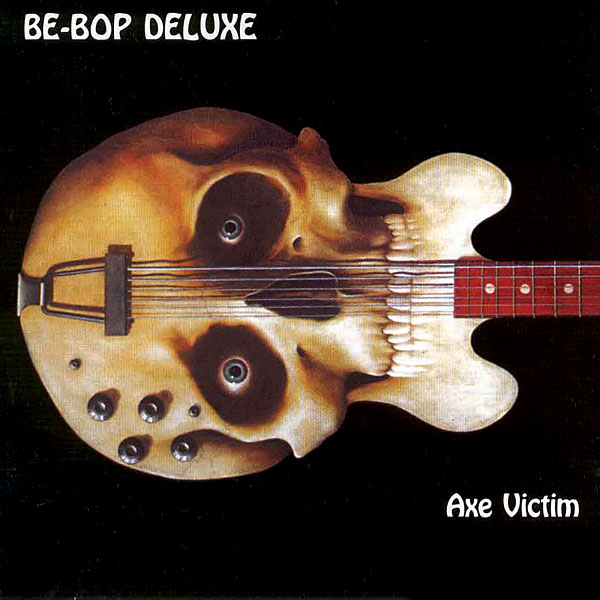 Be-Bop Deluxe: Axe Victim
EMI LC 0542 (CD). 1974/1991. Bill Nelson, Ian McClintock, prods.; Mike Ross, Pete Silver, Rod Harper, Steve Nye, engs.; John Leckie, mix. AAD. TT: 61:24 Going to high school in California in the mid-'70s, we had our fantasies of what post-Beatles England was all about, based entirely on import records found at the local vinyl shop: Bowie, Mott, and Roxy at the glam end of the store; ELP, Yes, Genesis, Camel, Floyd, and Crimson over in prog; Purple and Zep in heavy metal; and then the bands that didn't quite fit, like Sparks and 10cc. One album that evoked England especially well for me was Be-Bop Deluxe's first, from 1974. In the middle of side 2 is "Adventures in a Yorkshire Landscape," an underrated classic if there ever was one, and the rest of the Bowie-like album bristles with Bill Nelson's fiery, proggish guitar work. Be-Bop Deluxe would soon leave behind all glam pretense, but for this one moment, they typified the England of my dreams . . . until the Sex Pistols came along and changed it all again.
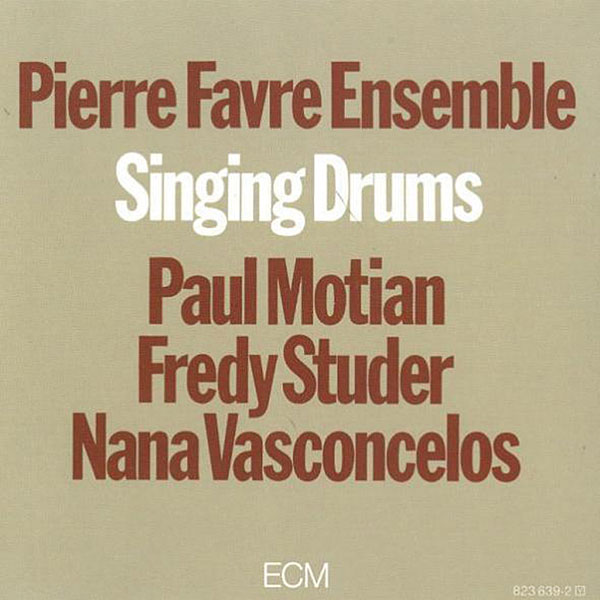 Pierre Favre: Singing Drums
Pierre Favre, drums, gongs, crotales, bowed cymbals; Paul Motian, drums, gongs, crotales, calebasses, rodbrushes; Fredy Studer, drums, gongs, log drums, bowed cymbals; Nana Vasconcelos, berimbau, timpani, conga, water pot, shakers, bells, voice
ECM 1274 (CD). 1984. Manfred Eicher, prod.; Martin Wieland, eng. AAD. TT: 41:14 In an attempt to have an album featuring notable drumming or percussion for this year's picks, I narrowed it down to a handful of choices: Iron Butterfly's In-A-Gadda-Da-Vida (sure, why not? the hater line forms to the right), Gamelan Pacifica, Marc Anderson, and this one on ECM. Instead of a frenzied, bombastic demo de force drum disc for audio shows, Favre assembled a team of able texturists who know how to weave acoustic sounds and beats into a dreamy, meandering path through a sonic forest brimming with exotic wildlife. As is typical for an ECM production, there's plenty of space around the instruments, and the recording is gorgeous and detailed.
FRED KAPLAN
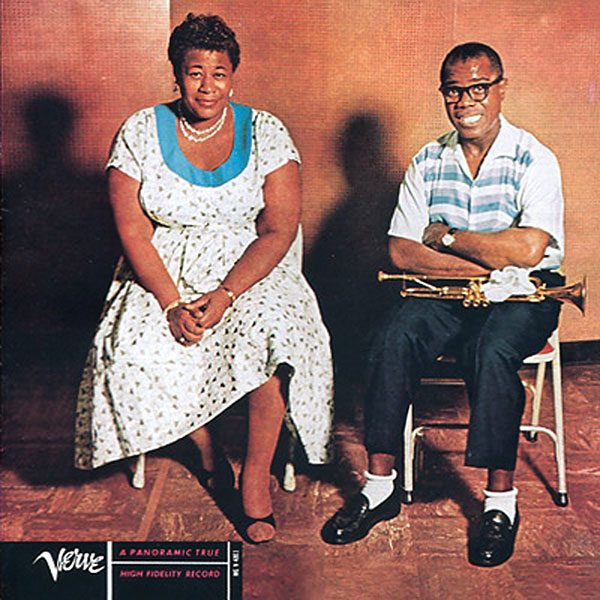 Ella Fitzgerald & Louis Armstrong: Ella and Louis
Ella Fitzgerald, vocal; Louis Armstrong, vocal, trumpet; Herb Ellis, guitar; Oscar Peterson, piano; Ray Brown, bass; Buddy Rich, drums
Verve MGV-4003/Analogue Productions AVRJ-4003 (2 45rpm mono LPs). 1956/2011. Norman Granz, prod.; Val Valentin, eng.; George Marino, remastering. AAA. TT: 54:06
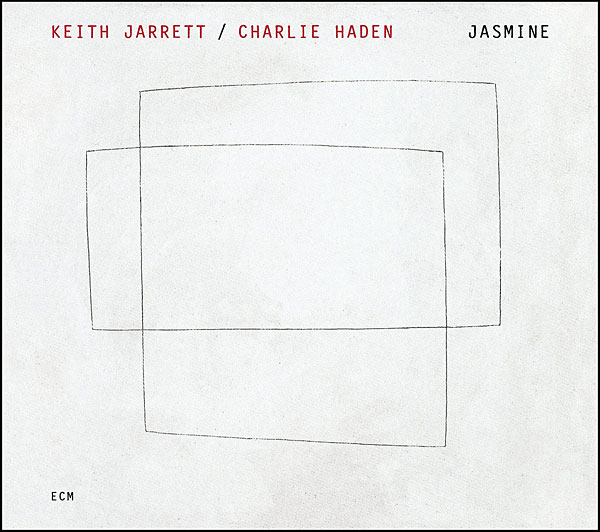 Keith Jarrett & Charlie Haden: Jasmine
Keith Jarrett, piano; Charlie Haden, bass
ECM 2165 (CD). 2010. Keith Jarrett, prod.; Martin Pearson, eng. DDD. TT: 62:30 A gorgeous set of standards, a salve for the soul, and the sound is vivid, intimate, transparent; every detail is etched in time. It's a low-key work, not as virtuosic as either master's best, but there's a warmth and an airiness that are transcendent. I have played this disc many times late at night, to set the world right, which it does on a level of Bill Evans's Waltz for Debby. And though my tone might suggest otherwise, it's not at all sentimental or corny. (XXXIII-8)
DAVID LANDER
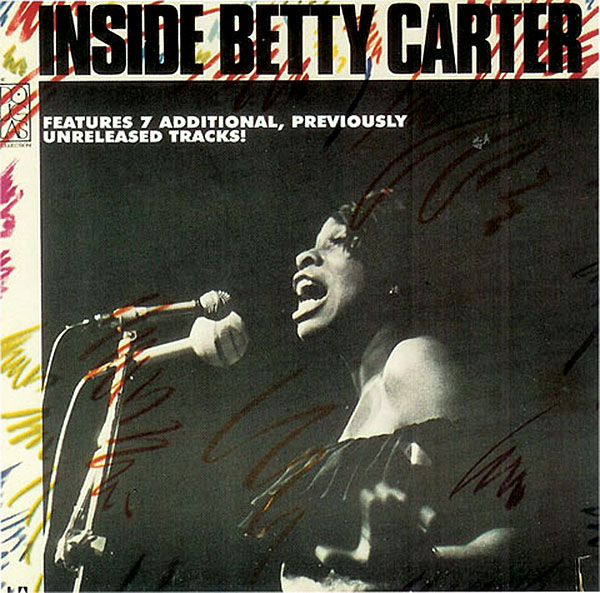 Betty Carter: Inside Betty Carter
Betty Carter, vocals; Kenny Burrell, guitar; Harold Mabern, piano; Bob Cranshaw, bass; Roy McCurdy, drums; unknown piano, bass, drums on previously unissued tracks
Capitol CDP 7-88702-2 (CD). 1964, 1965/1993. Alan Douglas, prod.; Michael Cuscuna, reissue prod.; Bill Schwartau, Bob Lifton, engs. AAD. TT: 45:43 Betty Carter, who manipulated her lush, acrobatic voice with a gymnast's skill, joined Lionel Hampton's band in 1948, the year she turned 19. She was a lifelong jazz purist, a true disciple whose uncompromising style kept her on a thorny career path, and even led her to record exclusively on her own label for two decades. Carter won recognition, and Verve reissued some of her 1970s and '80s BetCar albums, but she's among the top handful of jazz singers, and deserves more. Here she tears through the lyrics of "My Favorite Things" the way a 10-year-old rips wrapping off Christmas gifts, and when she fills with ecstasy each phrase of "This Is Always," I know my passion for her isn't, to borrow from that song, "a passing glow, a moment's gladness." No, "it's love." Betty Carter has "tied a string around my heart." (XXIII-2)
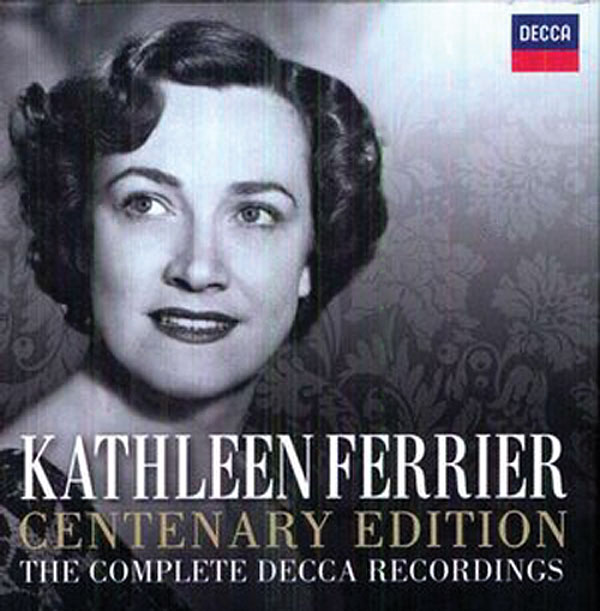 Kathleen Ferrier: Bach, Handel
Kathleen Ferrier, contralto; London Philharmonic Orchestra, Sir Adrian Boult
London 433-474-2 (mono CD). 1952. AAD. TT: 48:07
MICHAEL LAVORGNA
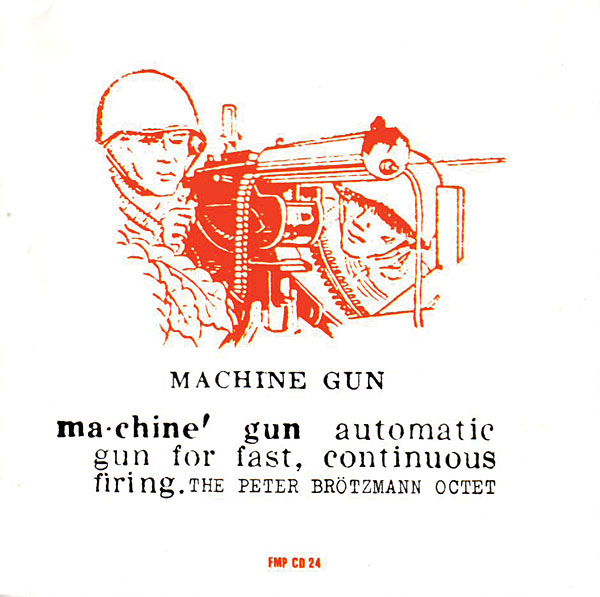 Peter Brötzmann Octet: Machine Gun
Peter Brötzmann, tenor & baritone saxophone; Willem Brueker, Evan Parker, tenor saxophone; Fred Van Hove, piano; Peter Kowald, Buschi Niebergali, bass; Han Bennik, Sven Johansson, drums
Free Music Production FMP0090 (LP). 1968/1972. Peter Brötzmann, prod. AAA. TT: 37:05 A manic, frenzied, frenetic, and explosive record from an octet that's so loose they're not afraid to be tight. When I first heard Machine Gun, in the 1980s, I couldn't believe it was recorded in the '60s. Machine Gun sounded as fresh as anything I was listening to at the time, which included Einstürzende Neubauten and :zoviet*france:. The fury begins with the first notes and doesn't abate until the last. This is improvisation at its most inspired, and music at its most primal.
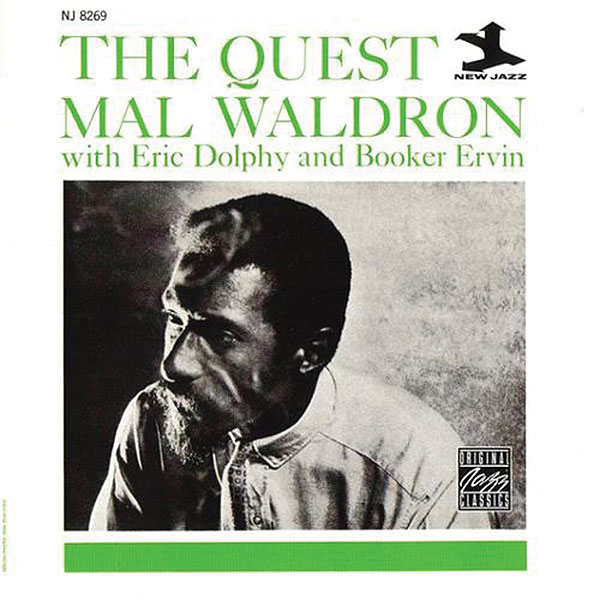 Mal Waldron with Eric Dolphy & Booker Ervin: The Quest
Mal Waldron, piano; Eric Dolphy, alto saxophone, clarinet; Booker Ervin, tenor saxophone; Ron Carter, cello; Joe Benjamin, bass; Charles Persip, drums
New Jazz NJLP 8269 (LP). 1961. Rudy Van Gelder, prod. AAA. TT: 41:28 A beautiful, quiet, composed, and introspective record from a sextet that's so tight they're not afraid to be loose. I discovered The Quest while browsing through the stacks at Other Music, a favorite NYC record shop. When I first played it, its sheer beauty amazed me. I shot off an e-mail to friends, and it turned out that The Quest was a favorite of theirs as well, which led me to start a blog where we would continue to share music. The Quest changed my life. Listen closely and it may change yours.
RICHARD LEHNERT
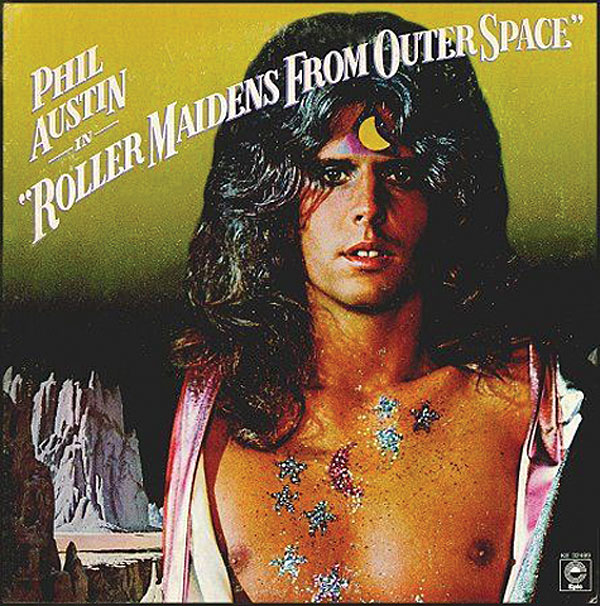 Phil Austin: Roller Maidens from Outer Space
Epic/Laugh.com LGH 1151 (CD). 1974/2003. Phil Austin, prod.; Oona Elliott, Michael C. Gwynne, engs. AAD. TT: 45:52
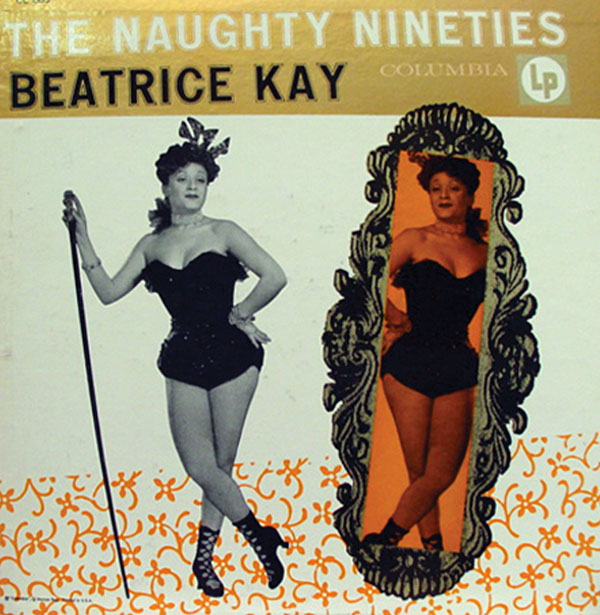 Beatrice Kay: The Naughty Nineties
Columbia/Master Classics CL 868 (mono CD). 1940/1950/2011. No prod., eng. listed. A–D. TT: 44:11 I've loved Beatrice Kay since I was five or six, and have wanted to list The Naughty Nineties ever since I compiled the very first "R2D4," for the January 1991 issue. Originally released in two albums of Columbia 78rpm shellacs in 1940, reissued on LP in 1950, and then out of print for well over half a century, the 16 tracks are finally available again. Brooklyn-born Kay (1907–1986) came up through vaudeville, musicals, and touring stock companies, and had minor careers in radio, films, and TV. She specialized in music-hall songs and parlor ballads of the turn of the century, first at Billy Rose's Diamond Horseshoe and then in these recordings. Here are "Heaven Will Protect the Working Girl," "What You Gonna Do When the Rent Comes 'Round," "Oceana Roll," "My Mother Was a Lady," "Waiting for the Robert E. Lee," "A Bird in a Gilded Cage," "Don't Go in the Lion's Cage Tonight," and many more, half of them written by Albert Von Tilzer (who wrote "Take Me Out to the Ball Game"). Kay twists the originally earnest sentimentality of some of these songs in ways unimagined by their composers, the intentionally funny ones have never been more so, and for better or worse, the burnt cork of minstrel shows is always at hand. She was an absolute master of comic timing and musical phrasing—I've listened to this record hundreds of times over the last 60 years, and am still hearing nuances never noted before. Kay sang in a uniquely thick, creamy, powerful belt with perfect control of dynamics and pitch; the joy she took in sending up these old songs is palpable in every track. And the accompaniment by the Elm City Four (a barbershop quartet) and "an orchestra under the direction of Ray Bloch," who I presume wrote the arrangements, are period perfection. The album is available only through Amazon.com as a made-to-order CD. The album sounds better than it ever has, with caveats: It was clearly burned from a somewhat worn LP that was itself transcribed from 78s in 1950. No information is supplied other than a list of song titles, but contact me at stletters@sorc.com; I'll send you a pdf of everything I have, including the anonymous but elegantly amusing original liner note. The Naughty Nineties has given me more fun and delight than any other album I have ever owned.