ROBERT LEVINE
Handel: Messiah (1751 version)
David Blackadder, Robert Brooks, Otta Jones, Henry Jenkinson, boy singers; Iestyn Davies, countertenor; Toby Spence, tenor; Eamonn Dougan, bass; Choir of New College Oxford, Academy of Ancient Music, Edward Higginbottom
Naxos 8.570131-32 (2 CDs). 2006. Adrian Hunter, prod.; Jonathan Stokes, eng. DDD. TT: 2:22:19 As Messiah-heads will tell you, there are many different versions of the work; Handel kept revising it for various occasions. This recording offers a rarity—a re-creation of performances in London in 1751 using all boys and men, even for the arias. The New College Oxford Choir is a blessing for the lack of hootiness of its trebles; there is a warmth of tone and delivery that delights, and the solo boys are remarkable. Countertenor Iestyn Davies has a gentle way with the alto arias; tenor Toby Spence is fearless and long of breath; bass Eamonn Dougan has a wonderful cello-like timbre. Higginbottom allows some discreet embellishments to the vocal line, and his tempos are natural—he isn't out to catch a train, nor does he ever lag. A terrific show that Handel would have recognized and loved. (XXX-1)
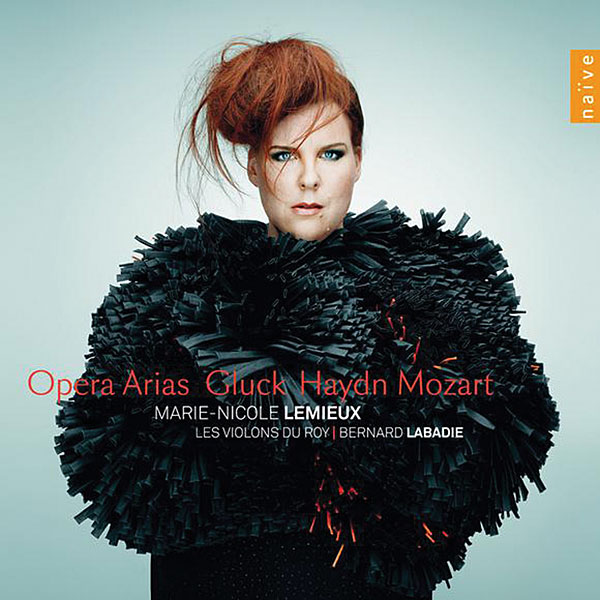 Marie-Nicole Lemieux: Opera Arias: Gluck, Haydn, Mozart
Marie-Nicole Lemieux, contralto; Les Violons du Roy, Bernard Labadie
Naïve V2564 (CD). 2012. Jean-Pierre Loisil, prod.; Pierre-Antoine Signoret, eng. DDD. TT: 69:50
ERICK LICHTE
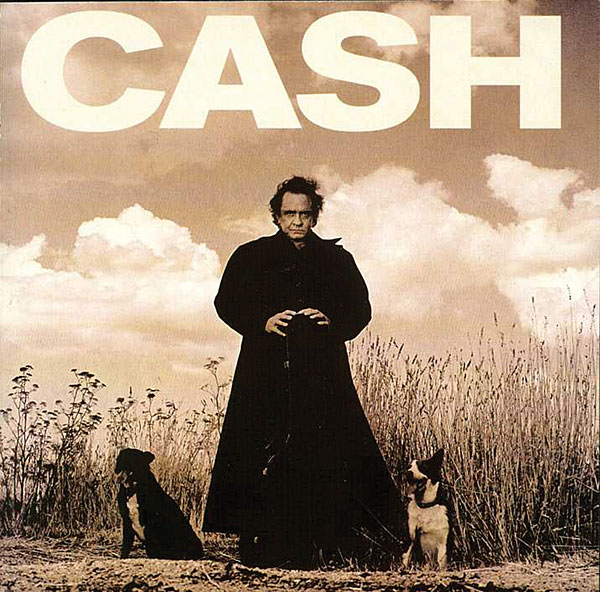 Johnny Cash: American Recordings
American 45520-2 (CD). 1994. Rick Rubin, prod.; Jim Scott, eng. AAD? TT: 41:54 In hindsight, it seems so obvious that an artist like Johnny Cash would make a recording in which he's musically stripped bare. But in the mid-'90s, Rick Rubin's minimalist recording of Cash singing classic cowboy ballads alongside Leonard Cohen standards and new songs by Glen Danzig seemed fresh and daring. Almost 20 years later, Cash's American Recordings sounds as vital and authentic as anything that's been put on tape. Reduced solely to Cash's voice and guitar, American Recordings has a depth of sound and soul that few albums ever achieve. The exquisitely chosen songs orbit around the gravity of Cash's bass-baritone voice, re-creating and perpetuating the American myth of Johnny Cash as priestly assassin and loving loner, an evil beast trying to be good and a man of God reveling in his own sins. (XVII-7, XVIII-2)
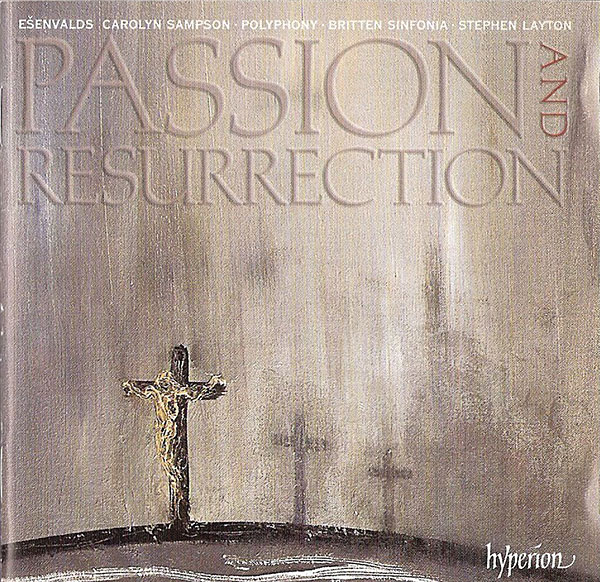 Eriks Edenvalds: Passion and Resurrection
Carolyn Sampson, soprano; Polyphony, Britten Sinfonia, Stephen Layton
Hyperion CDA67796 (CD). Adrian Peacock, prod.; David Hinnitt, eng. DDD. TT: 64:09
JOHN MARKS
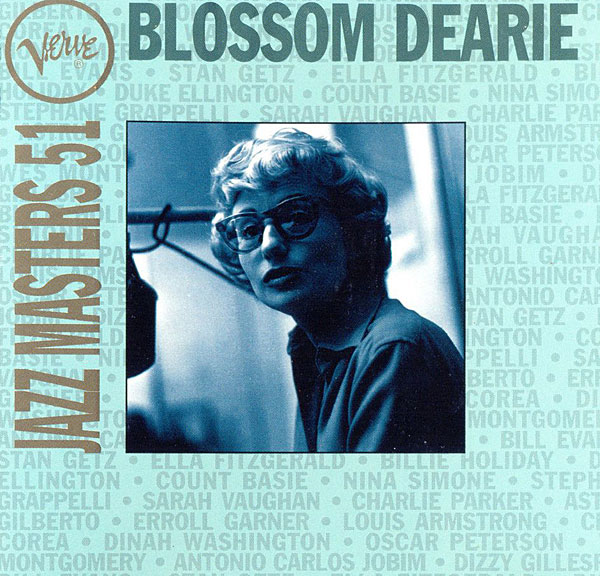 Blossom Dearie: Verve Jazz Masters 51
Blossom Dearie, voice, piano; Ray Brown, bass; Kenny Burrell, Herb Ellis, guitar; Jo Jones, drums; others
Verve 529 906-2 (CD). 1956–1960/1996. Norman Granz, orig. prod.; Michael Lang, compilation supervisor; Steve Fallone, remastering. A?D. TT: 52:45 Blossom Dearie plays piano on all but one track of this survey of her early US recordings for Norman Granz's Verve Records. (She had previously recorded for Michel Legrand in France, where her roommate had been Annie Ross, later of Lambert, Hendricks & Ross.) Her touch is light, but her playing is quietly convincing. She effortlessly meshes with Oscar Peterson's rhythm section of the time, augmented by Count Basie's drummer of the time. I point out those peer connections to show that Dearie is seriously underrated as a musician. Dearie's airy voice is one of a kind, and her approach to a song could be a bit cerebral or gently ironic in ways Julie London was not. And that's her given name, not a stage name. Her surname is a variant of the Scots name "Deery." A charming introduction to a unique interpreter, at a bargain price. (XXXIV-2)
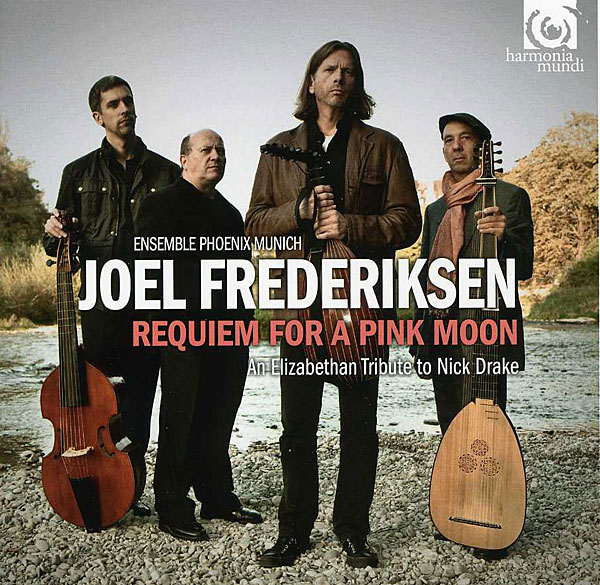 Joel Frederiksen & Ensemble Phoenix Munich: Requiem for a Pink Moon: An Elizabethan Tribute to Nick Drake
Music by Nick Drake, Anonymous, Campion, Cavendish, Dowland, Frederiksen
Harmonia Mundi HMC 902111 (CD). 2012. Markus Heiland, prod., eng. DDD. TT: 65:53 Requiem for a Pink Moon has become one of those special albums I make a point not to listen to too frequently—I don't want to lose the sense of magic. Joel Frederiksen's previous work had not prepared me for such a reaction, for which I can think of two possible reasons: First, it must have been liberating for an early-music specialist to make a concept album that, by its nature, would be immune from picky academic criticism. Second, Frederiksen's personal engagement with Nick Drake, as an artist and as a person, brought a passionate intensity to the creative process and a forthright fearlessness to the execution. This is the most singular album I have encountered in decades, and a magnificent recording job, too. (XXXV-12)
STEPHEN MEJIAS
 Valgeir Sigurdsson: The Architecture of Loss
Bedroom Community HVALUR 013 (LP). 2012. Valgeir Sigurdsson, prod., eng. DDD? TT: 38:01
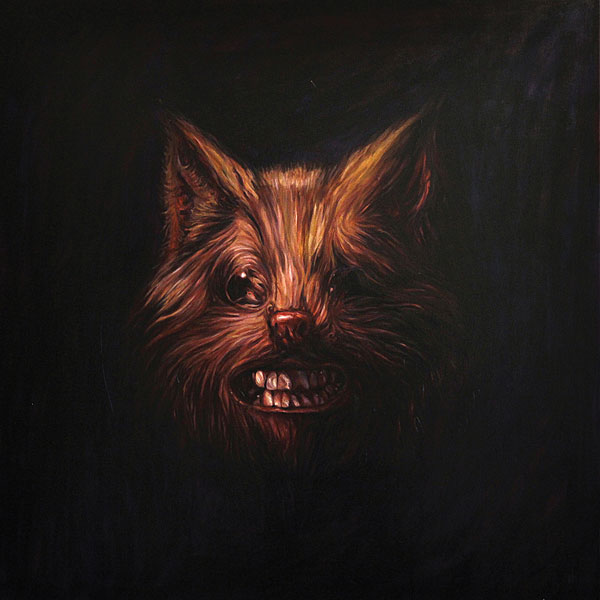 Swans: The Seer
Young God YG45 (2 CDs/3 LPs/WAV). 2012. Michael Gira, prod.; Kevin McMahon, Bryce Goggin, engs.; Doug Henderson, mastering. DDD? TT: 119:20 Michael Gira's Swans is one of those bands that I'd known about forever but had somehow managed to neglect until now. Why did I wait so long?! Anchored by its 30-minute title track, the band's 12th full-length album is a thrilling, unsettling, uncompromising masterpiece—my favorite album of 2012. Swans employ acoustic and electric guitars, thunderous percussion, harmonica, violin, clarinet, cello, piano, vibraphone, accordion, bells, samples, synthesizers, and more, fusing no wave, post-punk, primal blues, and the most violent noise. It's a terrifying and beautiful work, and by this time next year I fully expect to have devoured the band's entire catalog.
PAUL MESSENGER
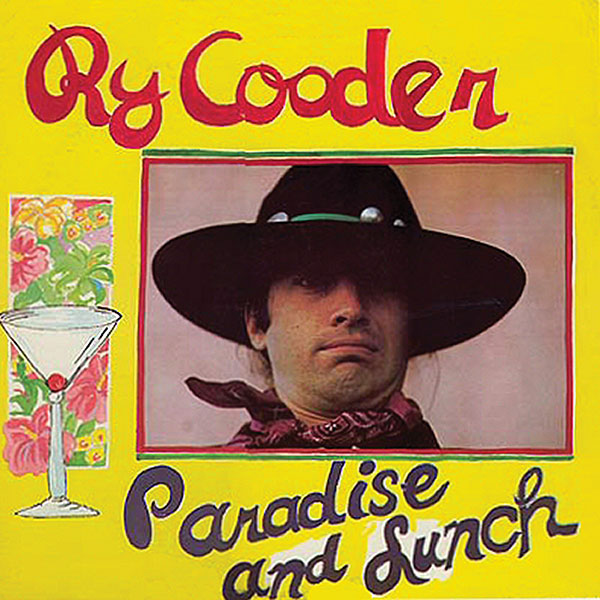 Ry Cooder: Paradise and Lunch
Reprise K44260 (LP), Warner Bros. 7599272122 (CD). 1974/1987. Russ Titelman, Lenny Waronker, prods.; Lee Herschberg, eng., mix. AAA/AAD. TT: 36:51 Ry Cooder's fourth solo album, from 1974, tends to be overlooked—unjustly, in my opinion. I have most (if not all) of Cooder's early solo albums, yet this is the one I turn to most often, not only for an idiosyncratic collection of songs that are full of wit, humor, and irony, but also for the recording quality, which is among the best I've heard. Mercifully free from any "concept," it's a wry and eclectic collection of fine American songs that have stood the test of time, and is one of a handful of discs I play to visitors, who invariably jot down the details before they leave.
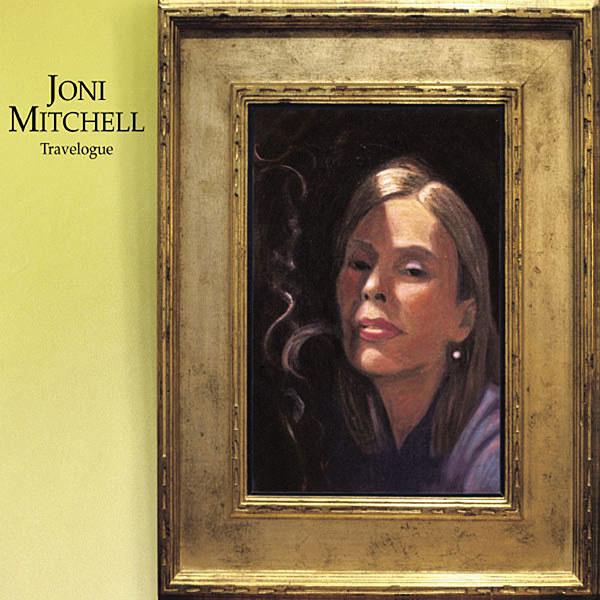 Joni Mitchell: Travelogue
Nonesuch 79817-2 (2 HDCDs). 2002. Joni Mitchell, Larry Klein, prods.; Geoff Foster, Helik Hadar, engs.; Allen Sides, mix; Bernie Grundman, mastering. DDD? TT: 2:07:05
FRED MILLS
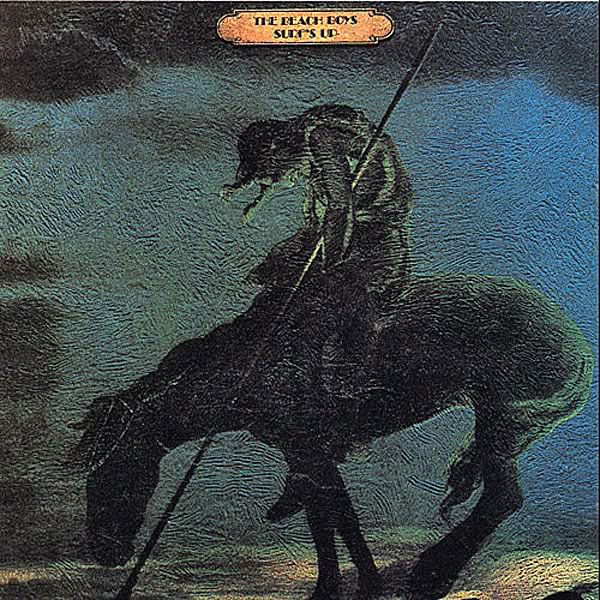 The Beach Boys: Surf's Up
Brother/Capitol 5 04439 2 (CD). 1971/2012. Beach Boys, prods.; Mark Linett, Alan Boyd, Dennis Wolfe, reissue prods. AAD. TT: 33:40 Remastered and reissued this year as part of the Beach Boys' overhyped and underperforming 50th anniversary and tour, Surf's Up (1971) first surfaced on CD in 1990, and again in 2000 as half of a twofer (with 1970's Sunflower). Raise your hand if you also own the vintage Quadraphonic vinyl. Catalog cash-in notwithstanding, its subtle charms—which seduced a teenage yours truly back in the LP era—endure. The late, angel-throated Carl Wilson in particular shines here, and with two of brother Brian's greatest-ever tunes, "'Til I Die" and "Surf's Up," closing things out (the latter, co-written with Van Dyke Parks, was originally slated for the doomed Smile), the listener is left levitating in ecstasy as the final notes fade away. To this day, I get misty when I hear those songs—that teenage me gently inhabiting my being for a precious few minutes. (XIV-2)
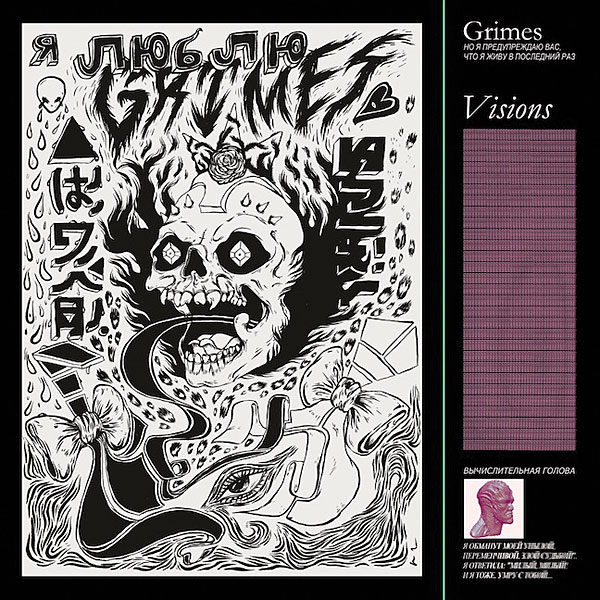 Grimes: Visions
Arbutus/4AD CAD3208 (CD). 2012. Claire Boucher, prod., eng.; Sebastian Cowan, eng. DDD? TT: 47:58 Some call it "witch house," the microgenre Grimes (aka Claire Boucher, of Vancouver) supposedly inhabits alongside other contemporary female electronica mavens such as Lykke Li or Zola Jesus. Ultimately, though, this complex yet synapse-stroking femme-pop is as accessible—and potentially memorable, given the composer's operatic pipes—as Minnie Ripperton, Kate Bush, or Madonna. A perky '60s girl-group vibe collides with lush '80s synth lines and the abstract glitchiness of early-'90s techno artists. I've attended Grimes performances—an intriguing mixture of bravado, naïveté, and face-painted performance art—and can testify that whether you want to adopt, worship, or sleep with her, you won't come away unchanged by her visions. (XXXV-5)