STEVE GUTTENBERG
 The Spencer Davis Group: The Best of the Spencer Davis Group
EMI America CDP 7 46598 2 (CD). 1987. AAD? TT: 34:06 If you've had your fill of Auto-Tuned and/or Pro Tooled tunes and crave musical authenticity, travel back to mid-'60s British R&B—specifically, to this collection. It may have been guitarist Spencer Davis's group, but it was Steve Winwood's singing and keyboards that put the band over the top with two Stateside megahits, "Gimme Some Lovin'" and "I'm a Man." The formula for all 12 tracks here is simple enough: The group pours heavy doses of truth and soul into each tune, and Winwood puts it over the top. That's all, folks!
 Leonard Cohen: Popular Problems
Columbia 88875014292 (CD). 2014. Patrick Leonard, prod.; Jesse E. String, eng. DDD. TT: 36:00 Leonard Cohen recently turned 80, but this latest collection of tunes is easily his best since The Future, and that one came out 22 years ago! The Voice is deeper than ever, and while the backing tracks feel slick and a tad hollow, he's having fun, the pulse is strong, the observations keen, and the old man's still confessing long-held sins. When Cohen turns off the synths and is accompanied by flesh-and-blood musicians for "You Got Me Singing" and "Samson in New Orleans," he sounds decades younger. Methinks Cohen has a lot more great tunes left to write.
JON IVERSON
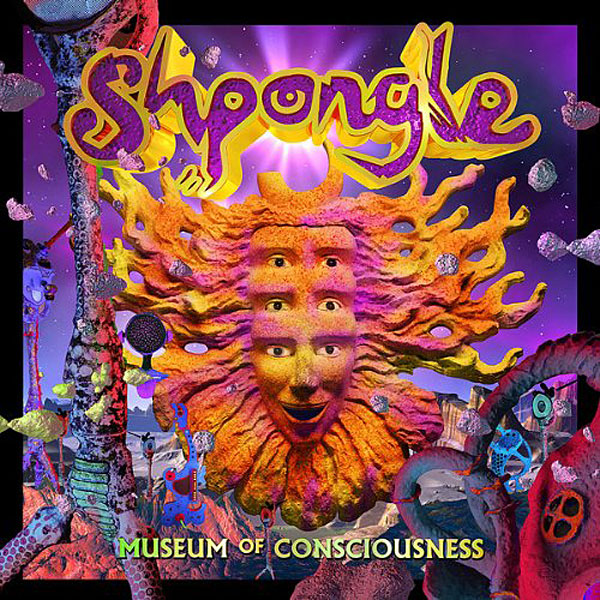 Shpongle: Museum of Consciousness
Twisted TWSCD45 (CD or 24-bit download). 2013. Raja Ram, prod.; Simon Posford, prod., eng., mix. DDD. TT: 61:15
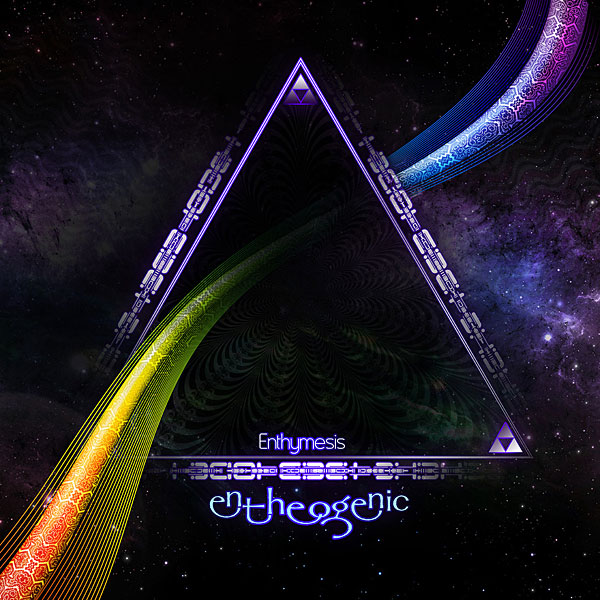 Entheogenic: Enthymesis
Universal Symbiosis (download). 2014. Piers Oak-Rhind, prod.; Glenn Schick, mastering. DDD. TT: 77:29 If the latest Pink Floyd isn't doing it for you (me neither), there are plenty of new artists who've decided that we need modern space music that also shows off our hi-fi rigs. I've picked two for this year's R2D4, the simple reason being that these albums are wonderful music, and a blast to listen to on a good stereo or headphones with the lights off—just like the old days. Both releases are primarily instrumental, blending acoustic instruments and samples with computer-music programming, bucketsful of special effects, and expert editing. The senses of soundstage depth, width, height, and movement in these recordings is phenomenal, creating immersive experiences that should push most audio systems beyond the walls. Subwoofers will definitely help.
FRED KAPLAN
 Duke Ellington and His Orchestra: Masterpieces by Ellington
Duke Ellington, piano; and big band
Columbia Masterworks/Analogue Productions ML 4418 (180gm mono LP). 1950/2014. George Avakian, prod.; Fred Plaut, eng.; Ryan Smith, remastering. AAA. TT: 46:59
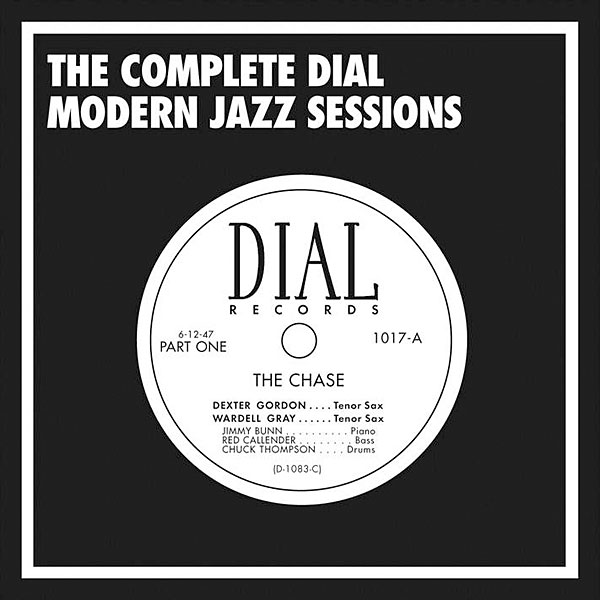 Dial Records: The Complete Dial Modern Jazz Sessions
Charlie Parker, alto saxophone; Wardell Gray, Dexter Gordon, tenor saxophone; Miles Davis, Dizzy Gillespie, trumpet; Erroll Garner, Bud Powell, piano; Max Roach, drums; many more
Mosaic 260 (9 CDs). 1946–47/2014. Ross Russell, prod.; Michael Cuscuna, reissue prod.; Steve Marlowe, remastering. ADD. TT: ca 10:12:00
Available only from www.mosaicrecords.com. This, too, is sort of a repeat—I cited a boxed set of much of this material in the 2009 R2D4—and another cause for celebration. Charlie Parker cut some of his best tracks in the studio for Dial Records in 1947. They're marvels of technique and improvisation, like no music made before or since. They've been reissued many times, from 78rpm shellacs. But this restoration, made using Bit Density Processing, removes the hiss, pops, and whoosh without removing any music. It's not audiophile quality, but it sounds way clearer; there's more bass, piano, drums, and the horns are more vivid than ever. A historic release.
DAVID LANDER
 Art Tatum: The Tatum Group Masterpieces, Volume Eight
Art Tatum, piano; Ben Webster, tenor saxophone; Red Callender, bass; Bill Douglass, drums
Pablo PACD-2405-431-2 (CD). 1956/1990. Norman Granz, prod.; Val Valentin, eng. ADD. TT: 58:00 Art Tatum: The Tatum Group Masterpieces, Volume Six
Art Tatum, piano; Red Callender, bass; Jo Jones, drums
Pablo PACD-2405-429-2 (CD). 1956/1990. Norman Granz, prod.; Val Valentin, eng. ADD. TT: 46:00 Art Tatum's versions of Gershwin tunes irked their lyricist, who said the jazz pianist should be ticketed for speeding. Ira Gershwin may have resented the fact that such rapid-fire renditions left no room for words. Or maybe he felt—some did—that the intricate musical lace only Tatum could loop, twist, and braid veiled the heart of a song: its melody.
MICHAEL LAVORGNA
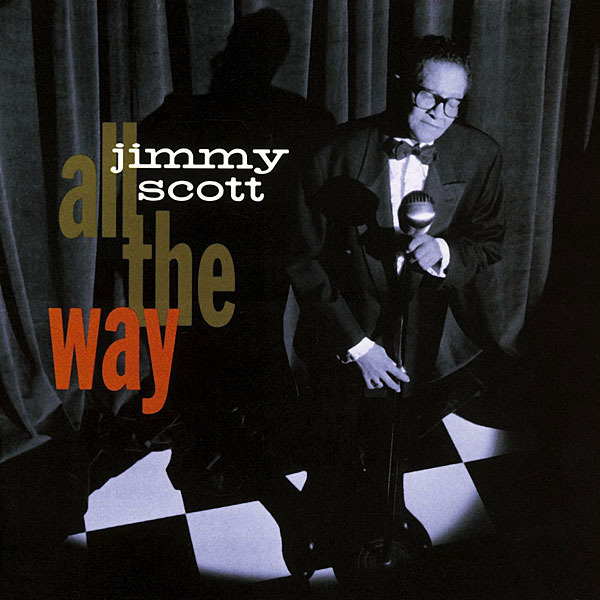 Jimmy Scott: All the Way
Jimmy Scott, vocals; David "Fathead" Newman, tenor saxophone; John Pisano, guitar; Kenny Barron, piano; Ron Carter, bass; Grady Tate, drums
Blue Horizon/Sire/Warner Bros. 26955-2 (CD, 24/192 download). 1992/2011. Tommy LiPuma, prod.; David Reitzas, eng.; Al Schmitt, eng., mix; Doug Sax, mastering. ADD? TT: 47:03 Jimmy Scott passed away in June 2014, but in 1992, All the Way was his comeback album. Scott came back from neglect, the record industry's apathy toward his music, and general bad luck. All the Way is a triumph, a vocal tour de force—if you're not moved by Scott's ways with such classic ballads as "Every Time We Say Goodbye," "Angel Eyes," and "My Foolish Heart," you should sell your stereo and start over. (XVI-1, XX-2)
 Scott Walker + Sunn O))): Soused
4AD EAD3428A (24/96 download). 2014. Scott Walker, Peter Walsh, prods. DDD? TT: 48:32