Integrated Amp Reviews

Sort By:  Post Date TitlePublish Date

Naim Audio Uniti Nova integrated amplifier-media player

Audiophiles are oblivious to the low-end music-reproduction medium that's currently staging a comeback: the cassette tape (footnote 1). I've adopted the cassette craze in my own small way. I glory in the trusted mixtape, which I play in the stereo cassette deck of my 1990s Toyota. An automobile is a dearly cherished possession in New York City; when I cruise the outer boroughs on Sunday, I want tunes galore. So I retrieved my 1996 Aiwa cassette deck, and, attic-bound as it had been for 20 years, it was in need of repair. Via Yelp, I came across Hi-Tech Electronics, a small repair-everything-electronic shop at the east end of Canal Street, in New York's Chinatown, and a mother lode of classic audio gear and audiophile nostalgia.
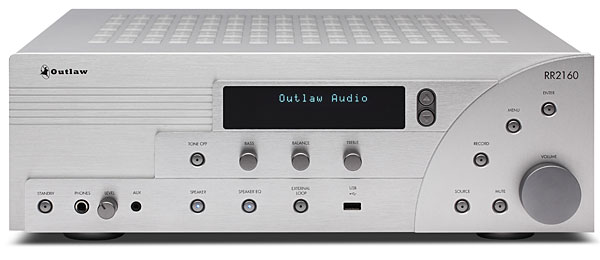
Outlaw Audio RR2160 stereo receiver

For audiophiles of a certain age, the mere mention of NAD Electronics' original 3020 integrated amplifier (1980, designed by Erik Edvardsen), or Adcom's GFA-555 stereo power amplifier (1985, designed by Nelson Pass), conjures up happy memories of audio's last Golden Age—an idyllic time when working stiffs could luxuriate in the same audio arcadia as bankers and brokers. Since then, few, if any, audio components have achieved that level of iconic high value. Which caused me to wonder: What would it take, nowadays, to manufacture a genuinely high-value audiophile product: one that delivers exciting, satisfying sound at a price most audiophiles can afford?

Octave Audio V 80 SE integrated amplifier

As a salt-and-pepper–haired bachelor living in present-day Manhattan, I admit to participating in mating rituals that have included electronic divining tools and computer-aided pleasure machines. In a phrase: online dating.

From various sites whose names begin with O or M, and which can lead to S or M with a stranger who may or may not be who or what she claims to be, I've had private zones tickled silly, and as often have found the process to be confusing, depressing, or both. I've been happily hijacked by a flexible Broadway singer, met a she who was really a he, and even found employment, all through online dating.

Arcam FMJ SR250 stereo A/V receiver

Stereophile seldom reviews A/V receivers. We made an exception for Arcam's FMJ SR250 ($3600) because it's that unusual two-channel device: one that includes room-correction software, in this case Dirac Live. Many of us who listen in multichannel are comfortable with room correction, but a week doesn't pass without my hearing or reading someone say that they bypass room correction when listening to music in stereo. Spock-like, I find that illogical and, from experience, pointless.

Peachtree Audio nova300 integrated amplifier

One year ago almost to the day as I write, Peachtree Audio invited me and other members of the audio press to the New York City retail shop Stereo Exchange, where various announcements regarding the brand were bundled, by the company's Jim Spainhour and David Solomon, under the virtual banner "PEACHTREE 2.0." Among the news: Peachtree, based in Bellevue, Washington, would now be manufacturing their nova integrated amplifiers in Canada—the company's previous offerings were all made in China—and they'd signed up a new design and engineering team.

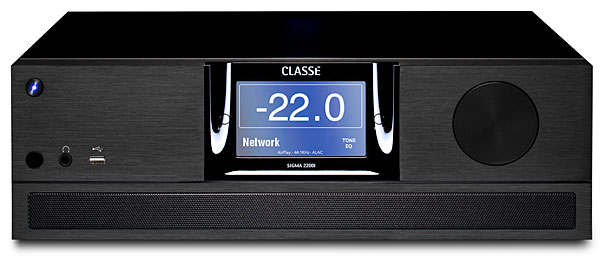
Classé Sigma 2200i integrated amplifier

The last few years have seen a flood of new integrated amplifiers in an audiophile market traditionally wedded to separate preamps and power amps. That might reflect the fact that integrated amps make a lot of sense, and not only because they usually cost less than equivalent separates. The latter gained a foothold in audio's Paleolithic era, when tubes were the only game in town. Tubes generate lots of heat—an enemy of electronics—and separating the preamp stages from the output devices kept this under control. Yes, there were integrated amplifiers back then, but they were generally of very low power—25Wpc was once considered monumental.

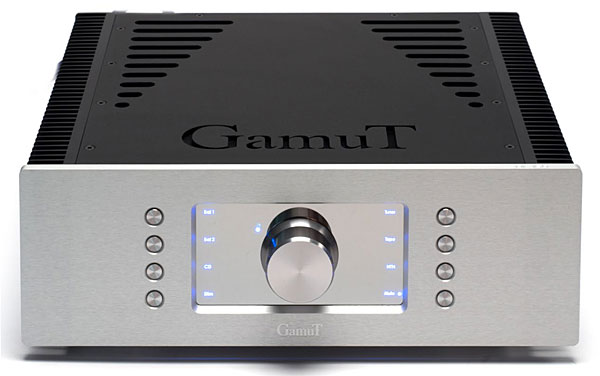
GamuT Di150 LE integrated amplifier

As Stereophile's true cub reporter—sorry, Herb Reichert, you're senior staff!—I work in the domestic fields of the high-end audio landscape. Meanwhile, my fellow Stereophile correspondents trot the globe, attending international audio shows, experiencing all the sweet spots offered by such far-flung locales as Munich, Montreal, and Northamptonshire, UK. Am I complaining? Not! But when an audio show of merit invades New York City, still the capital of the civilized world, you can believe I'm there on opening day, pen and pad in hand. The first rooms on my must-visit list usually include Audio Note UK, DeVore Fidelity, MBL—and, when the gear is warm and the good vibes flowing, as they usually are, Wes Bender Studio NYC.

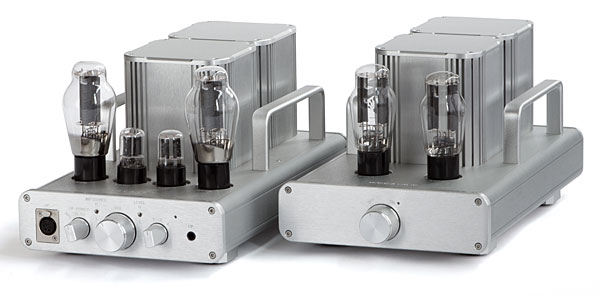
Woo Audio WA5 integrated amplifier/headphone amplifier

When I applied for this fabulist audio-preacher gig, John Atkinson protested, "But Herb, aren't you a triode-horn guy?"

"No, that was decades ago! Today I'm still a bit of a Brit-fi guy, but my mind remains wide open."

However: As a professional reviewer, I am biased toward affordable, lovingly engineered audio creations made by family businesses with traditional artisanal values. I enjoy solid-state as much as tubes—often more!

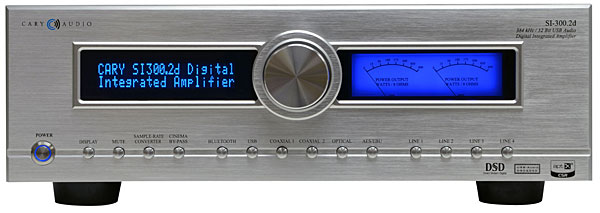
Cary Audio SI-300.2d integrated amplifier

My entrée to high-end audio was in the late 1990s, when I bought a used pair of Cary Audio CAD-572SE tubed monoblock amplifiers to add to my Marantz CD player, Audio Note M2 preamplifier, and ProAc Response One SC loudspeakers. This system reproduced recordings with a sound that made me happier than a country boy with a glass of milk and a helping of peach cobbler. (I was reared, as my grandmother would say, though not born, in North Carolina, where Cary is based.)
Advertisement
Advertisement
Advertisement