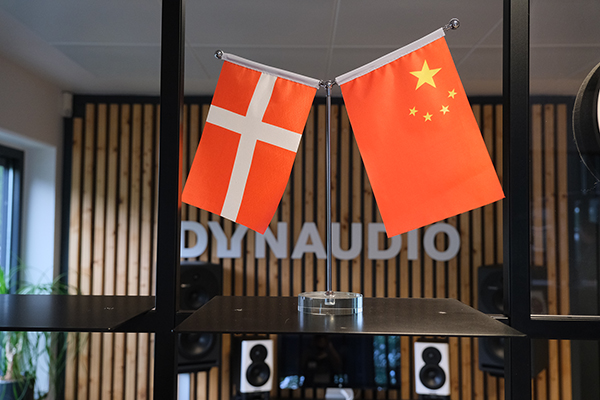
Photo by Ola Björling.
As
reported here on July 7, 2026, Denmark-based Dynaudio will exit the US pro and consumer audio markets by year-end.
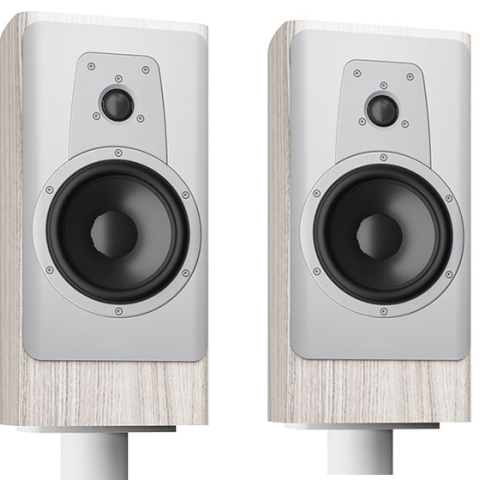
Dynaudio is a speaker-centric company founded in 1977. It produces most or all of its own speaker drivers in its Skanderborg, Denmark, factory and in a Chinese factory.
Via email, I spoke with Julien Bergere, Dynaudio's Chief Commercial Officer. Bergere provided context and details lacking in the original press release, and confirmed American owners of Dynaudio speakers can expect their warranty to be fully honored.
Tom Fine: Your company's press release cited "ongoing economic challenges and market uncertainty" as the reason to exit the US market. Do you mean the current trade and tariff environment? Does this have anything to do with US-Denmark tensions over Greenland? (Some online speculation says yes, not joking.)
Julien Bergere: Clearly the current trade environment is challenging within the US market, and largely misunderstood by many commentators online, so to give your readers some background on the tariff issues that are being discussed online and in the specialist press, it may be worth explaining how and to whom tariffs are paid as it is clear from the comments we see online that this is still not fully understood.
Dynaudio A/S (Denmark) does not pay tariffs when selling into the US market. The US importer pays them—and they have to determine whether to pass these additional taxes directly onto the US consumers or to reduce their operating margins. This applies whether there is a US subsidiary, a distributor or even retailers, directly importing into the US market.
For clarity:
● Tariffs and customs duties are paid directly to US Customs and Border Protection (CBP), which acts as the collection agency for the US Treasury.
● Legally, the US Importer of Record (the American buyer, distributor, or their appointed customs broker) is responsible for paying these fees at the port of entry.
● While the importer pays CBP initially, those costs are generally passed down the supply chain. Ultimately, the burden is split between reduced profit margins for the importing businesses and higher prices for US consumers.
In our press release, we avoided direct reference to these specifics and refer to 'ongoing economic challenges and market uncertainty,' which we felt was adequate and politically neutral.
And yes, we have noted comments online about 'tensions over Greenland' with some amusement. We can categorically state that this is not the case!
Notwithstanding the considerations outlined above, it is important to emphasize that our decision is ultimately strategic in nature and reflects our broader long-term priorities.
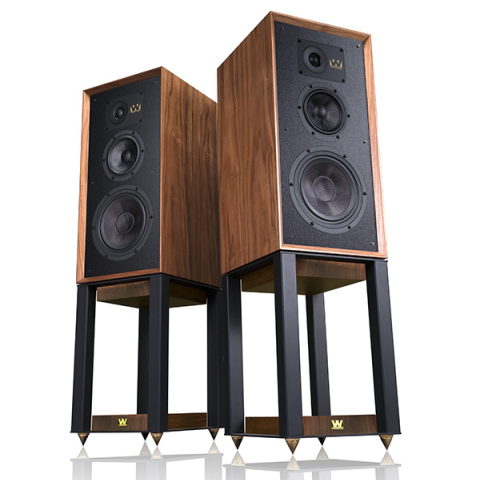
We have started a global company transformation where we will enter new premium channels as well as refining and updating our existing product ranges. We recently announced Dynaudio Opus One, the first and flagship product in a new range of products called Symphony; and, of course, updating premium performance products such as 'Confidence i,' introducing premium products such as Legend, where we marry lifestyle design and materials choices with exceptional performance.
We have also recently opened the Dynaudio Lounge Copenhagen, our first-ever company-owned showroom and venue in Europe. Transformation requires focus in order to succeed, and we are going to focus on building success in Europe and Asia in the immediate future.
TF: The press release promised "continuity of product support." Does that mean all warranties of existing products in the US market will be honored? Will you have a mechanism to perform warranty service on US products in the US, or will they be shipped abroad for service?
JB: All warranties of existing products in the US market will be honored; this is a key point for us as a brand. We are studying different possible ways on how this will be realized.
TF: What about inventory in the US retail pipelines? Will that be recalled for sale elsewhere, or do you plan to sell it through?
JB: Our dealer partners in US and Canada have been offered the opportunity to make some last orders if they wish to; the rest will be shipped back to be sold elsewhere.
TF: If a consumer walked into a Dynaudio dealer today and was impressed with the product but worried about buying because of your impending exit from the market, what would you tell them?
JB: Dynaudio cares for their customers, and we will ensure warranty will apply to the products they will purchase through official Dynaudio dealerships.
TF: Did you consider moving to a US distributor arrangement? If so, what convinced you to exit the market instead?
JB: Our immediate priority in the US market is to ensure the highest standards of brand representation and customer service for our existing customers. Where these objectives can be effectively achieved through a suitably structured distributor arrangement, or potentially a direct-to-retailer model, we would be pleased to consider and evaluate such opportunities.
TF: I've heard the company offered buyouts and compensation for US employees. Can you give any details on that?
JB: Dynaudio cares for all its employees, and the US team has done a very good job in the last years. We want to go through this ceasing of operations as a team, where employees feel rewarded for their efforts and loyalty.
TF: Finally, your press release says you'll cease US operations "in the fall of 2026." Do you now have a more specific end date?
JB: We have been operating in the US market for the past 30 years, and the decision to close the subsidiary and transition our relationships with our US and Canadian dealers is not one we take lightly.
The quality and effectiveness of the transition must take precedence over adhering to a specific timeline, as ensuring continuity of service and support for our customers remains our highest priority. We will communicate our final plan and timing once all necessary arrangements are in place and we are able to ensure a smooth and successful transition.