

Siegfried Linkwitz
Siegfried Linkwitz was born in Germany in 1935. He received his electrical engineering degree from Darmstadt Technical University prior to moving to California in 1961 to work for Hewlett-Packard. During his early years in the USA, he did postgraduate work at Stanford University. For over 30 years Mr. Linkwitz has developed electronic test equipment ranging from signal generators, to network and spectrum analyzers, to microwave sweepers and instrumentation for evaluating electromagnetic compatibility.
Soundsmith's Peter Ledermann: Building, Mastering, and Giving Back
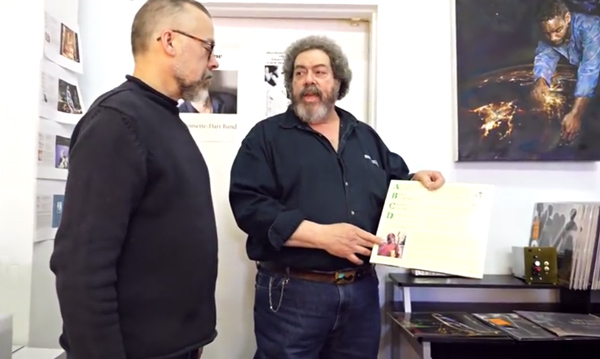
Six weeks ago, Jana Dagdagan and I visited the Peekskill, New York factory of Soundsmithher first time there, my second. Although I didn't mention this to the company's President and Chief Engineer, Peter Ledermann, the thing that most impressed me during my second visit was how little had changed since my first, in April of 2015. In particular, all but two of the employees I saw at Soundsmith this year had been there during my first visit; that suggests an experienced workforceno small advantage in the manufacturing of phono cartridges, where the requisite skills are specialized, to say the leasta setting where people feel sufficiently challenged and appreciated that they stick around for years rather than mere months.
Spencer Chrislu: Master Quality Authenticated
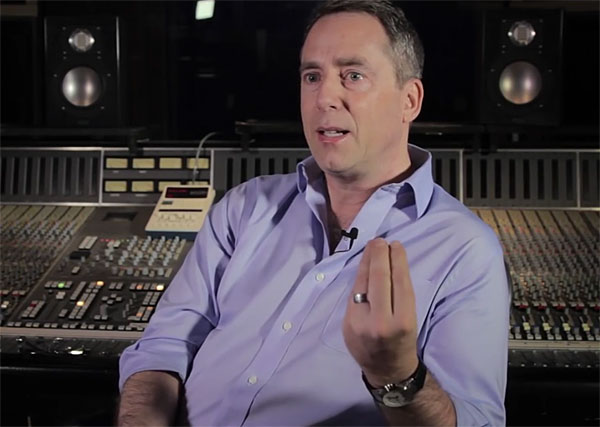
Most people who have heard music recordings encoded with Master Quality Authenticated agree that it sounds really goood (footnote 1)but even they recognize that at least one major challenge remains: ensuring that listeners can actually get, in MQA format, the music they most love. I spoke with Spencer Chrislu, MQA's director of content services, about the company's efforts to meet this challenge.
Stereophile Editor John Atkinson on Axpona, Affordable Audio, Analog, & Audiophiles
At the 2013 AXPONA in Chicago in March, Cool Cleveland asked JA for his thoughts on the state of high-end audio. His answers might surprise you.
Steve Berkowitz: A Record Man For All Seasons
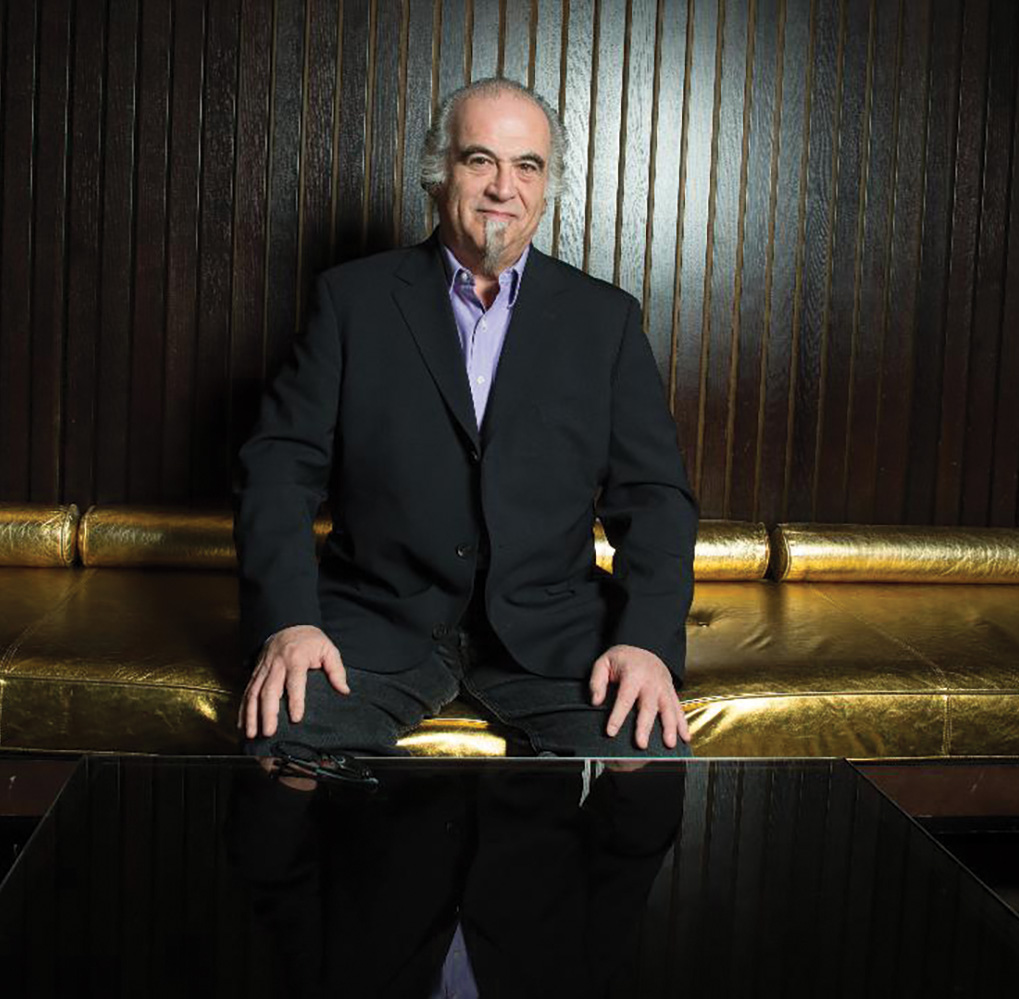
Photos by M. van Dorp.
Does anyone use the term "record man" these days? In an earlier era, it would have been used in the same way the term "ad man" was used, as a particularly American job description. People who spend their careers in and around the music business. Some of these record men are known by the publicsome of it anywaywhereas others may be familiar only to colleagues.
I met Steve Berkowitz under the best of circumstances: sitting in a basement listening room hearing beautiful recordings made in 1958 that I'd never heard before, by the Miles Davis Quintet. It was the recently issued Miles DavisBirth of the Blue (Analogue Productions APJ 172). The album was, the credits state, "Supervised by Steve Berkowitz." The name rang a bell, though prior to this meeting, I didn't have a face to go with the name.Steve McCormack: It's All In The Details
Steve McCormack has carved out an unusual niche for himself in high-end audio. While working as a hi-fi salesman, Steve successfully modified an amplifier for a customer and promptly decided that there was a market for improving the sonic performance of other companies' products. Thus The Mod Squad was born, a company Steve and long-time partner Joyce Dudney Fleming established to offer high-end modification services.
Steven Wilson: A Master of Immersive Music

Photo By Adam Taylor
Steven Wilson loves changing the minds of spatial audio skeptics. He's the go-to Dolby Atmos and 5.1 mixmaster for many heritage artists, new-wave bands, and alternative acts. Best known for leading the post-prog collective Porcupine Tree, releasing a score of genre-stretching solo albums, and serving as a key creative contributor to such experimental groups as No-Man and Blackfield, Wilson's approach is simple: bring them into his studio and let the music do the talking.Tam Henderson, Reference Recordings
As fascinating as the design of high-end hardware can be, it goes without question that without musical software (or firmware, as our more computer-minded readers would have it) of an appropriately high standard, the whole business would be pointless. Stereophile's interviews have therefore often featured engineers and producers whose recorded work reveals sound quality to be a major concern. I interviewed Performance Recordings' James Boyk back in Vol.9 No.6; J. Gordon Holt spoke in Vol.10 No.3 with Doug">http://www.stereophile.com/asweseeit/1282awsi">Doug Sax and Lincoln Mayorga, of Sheffield Lab, and with Keith Johnson of Reference Recordings, about their history-making Moscow sessions; JGH also discussed Brad Miller's and Lou Dorren's Colossus digital project in Vol.10 No.1 and Vol.11">http://stereophile.com/asweseeit/the_colossus_of_audio">Vol.11 No.4; while last month Dick Olsher interviewed Peter McGrath, responsible for some superb-sounding recordings for Harmonia Mundi USA as well as for his own Audiofon label.
Ted Denney's Excellent Adventure
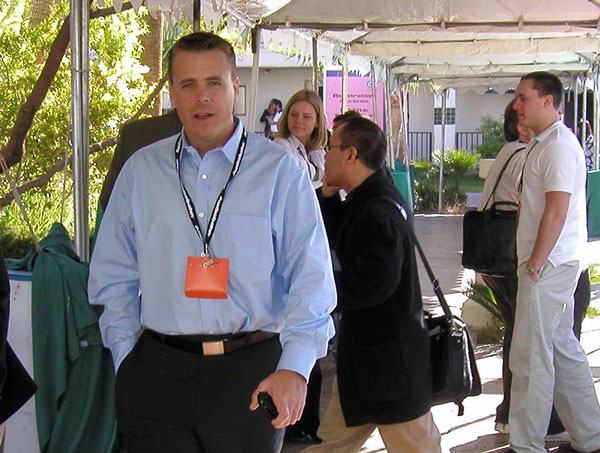
Ted Denney at the 2003 CES. (Photo: John Atkinson)
As I had been impressed with Ted Denney's Synergistic Research cable, I thought that asking him for 25,000 words on his thoughts on cable design and performance would be an appropriate accompaniment to my Symphonic Line Kraft 400 amplifier review.The Bad Plus—the Magnificent Threesome
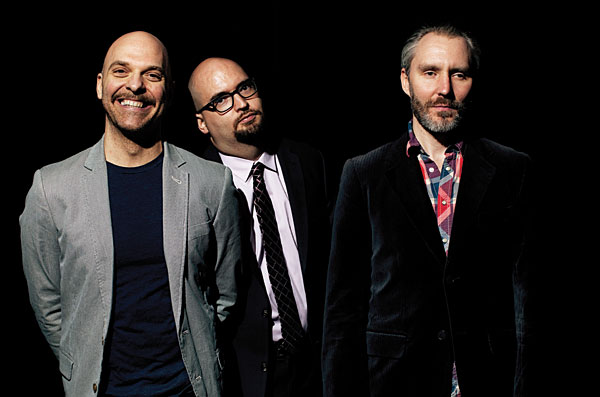
In a discussion about what their music isand is notDave King, drummer for the Bad Plus, remembers opening a show for free-jazz patriarch Ornette Coleman at the New Jersey Performing Arts Center. After their set, the band joined the audience to watch Coleman.
"After the first couple tunesand this was in a seated theaterI swear, half the audience had left. Fifty years into your career, and he's still making people want to check it out and then decide if they can take it. And that's every night, I bet.