

Rabbit Holes #17: The Spirit of Rush Ever Lingers
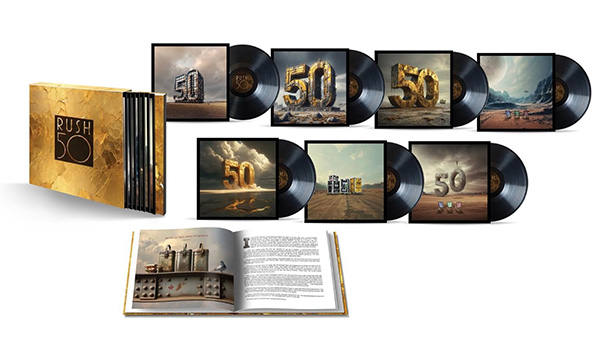
Over the course of Rush's five-decade career, the Canadian prog-rock trio never released much music from the vaults. When vaunted studio albums such as 1980's Permanent Waves and 1981's Moving Pictures were reissued in expanded form, in multidisc anniversary box sets, the bonus material has consisted of previously unreleased live recordings from the eranever any of their oft-whispered-about studio outtakes.
That changes with the new, career-spanning box set, Rush 50 (Ume/Mercury/Anthem), the first time the band has pulled back the curtain to share previously unreleased and highly sought-after tracks, alternate takes, and live rarities alongside other notable studio and live classics that traverse the band's fertile 19732015 lifespan.
Rabbit Holes #18: Chrysalis Reissues Robin Trower's For Earth Below

Five decades later, even dedicated fans of former Procol Harum guitarist Robin Trower have had to admit that they appreciate his solo albums for more than just his guitar gluttony. To be sure, For Earth Below's title track and his other blues-rock jams, obviously influenced by both the tone and approach of Jimi Hendrix, are foundational for today's stoner-rock subgenre.
Rabbit Holes #19: Strata-East & Resonance Reissue Charlie Rouse Albums
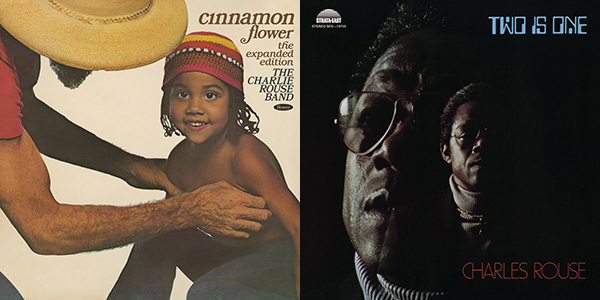
In Robin D.G. Kelley's definitive, 450-page biography of Thelonious Monk, Monk and tenor saxophonist Charlie Rouse first meet on p.100, in 1944. Their next encounter comes 91 pages (11 years) later, when Rouse is working with Monk at the Music Barn concert series in the Berkshires.
Rabbit Holes #20: More (and more, and more) songs from Talking Heads
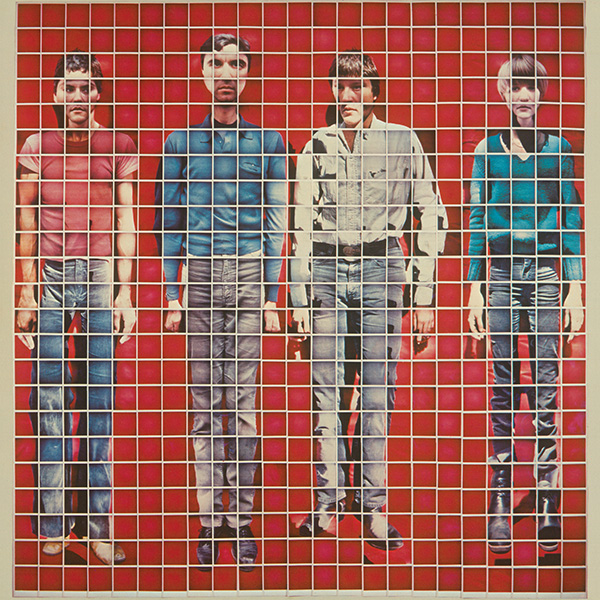
For a lot of bands, the second album is intimidating. There are numerous examples of sophomore slumps, which sometimes lead to a band's quick end. Talking Heads didn't just avoid a sophomore slump; they scored their first top-40 hit and put their career on solid, sky-is-the-limit footing.
Rabbit Holes #21: Bob Dylan Through the Open Window, the Bootleg series Vol.18
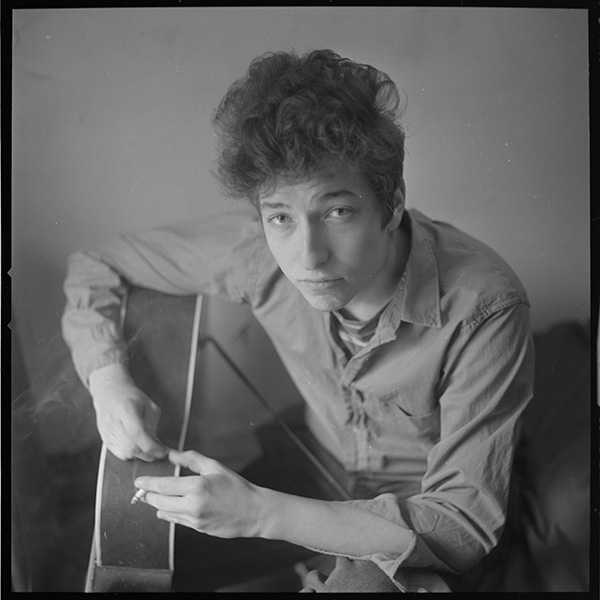
Columbia Legacy has released Vol.18 of the Bob Dylan Bootleg Series. Through the Open Window covers the years 1956–1963. The collection is available as three physical sets: two-CD or four-LP "Highlights" versions that contain 42 tracks, and an eight-CD "Deluxe Edition Box Set" that contains 139 tracks and has a running time of 8 hours, 59 minutes.
Rabbit Holes #22: Wish You Were Here 50
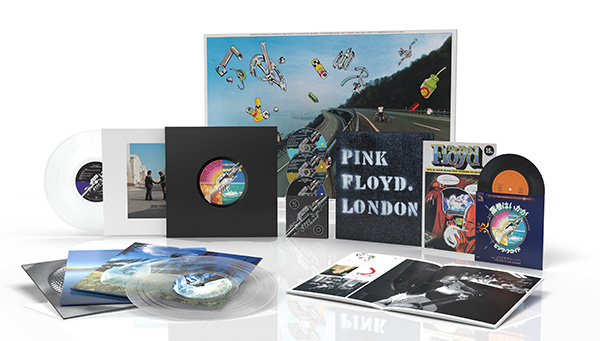
Wish You Were Here isn't my favorite Pink Floyd album, but I can't deny its success or how often it has played within earshot over the course of my life. Released mid-1975 to mixed reviews, time worked in its favor: Today many consider it a peer to the group's masterpiece, The Dark Side of the Moon.
Rabbit Holes #4: Elvis On Tour
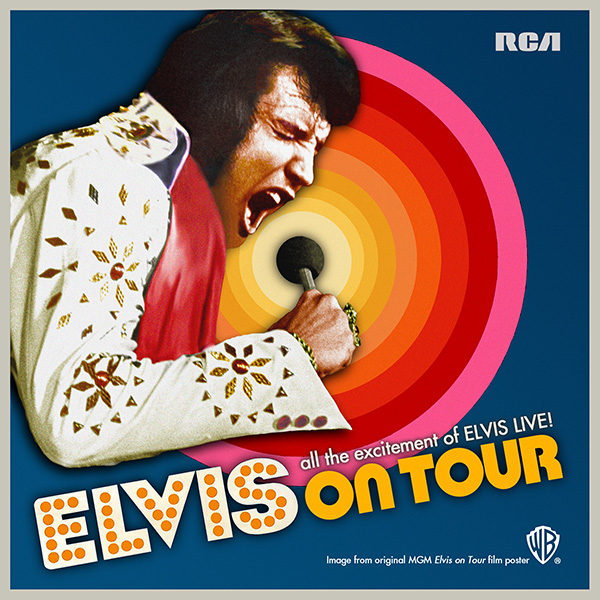
FLASH! Record Business Conquers Death! Musicians Live Forever! There is life after death in the world of recorded music. Elvis left the building 46 years ago. Jimi Hendrix has been absent for 53 years. Yet both continue to release albums of unreleased material. Bob Dylan, Neil Young, and Bruce Springsteen wisely recorded much of their music throughout their careers, live and in the studio; they'll continue to release "new" music long after they pass.
Keeping fans satisfied but also looking forward is an effective marketing tool, one that Ernst Mikael Jørgensen, the guru of all things Elvis, has mastered. His latest project is the six-CD box set Elvis On Tour, which is connected to the 50th anniversary of Presley's 1972 US tour and the rerelease of the MGM documentary/concert film of the same name, a Blu-ray of which is also included.
Rabbit Holes #5: Quincy Jones: An Appreciation in Five Albums

Behold the genius of Quincy Delight Jones Jr., well known as Q, still with us at age 90. There isn't enough space to get into all his accomplishments, so I will focus on five favorite albums, which he either headlined or was heavily involved with.
Rabbit Holes #6: The Curse of Composition
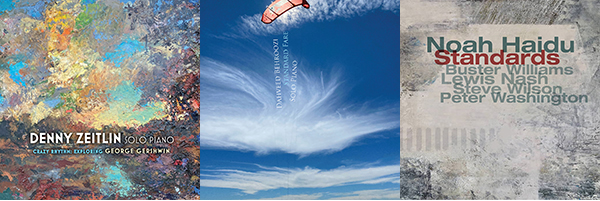
Something has happened in jazz culture in the new millennium. There is more emphasis on original composition than ever before. There has been remarkably little discussion and analysis of this phenomenon, perhaps because many assume it is a positive development. Jazz, after all, prioritizes originality.
There is a counterargument. It goes like this: Jazz today is vital and dynamic because great players keep popping up, all over the world. Very few of those great players are also great composers. Yet they apparently feel obliged to be. A large proportion of new jazz albums contain all or mostly originals.
Rabbit Holes #7: Quebec's Voïvod remakes its own best songs
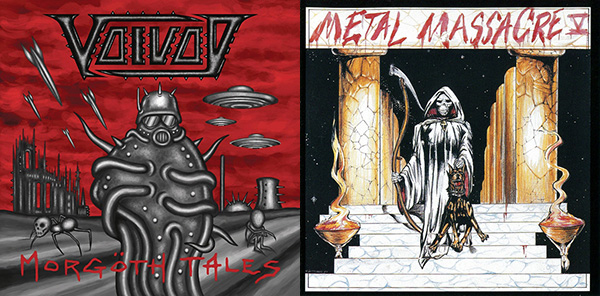
In 1984, Metal Blade Records of Van Nuys, California, released the fifth edition of its Metal Massacre series, which had already unleashed such bands as RATT, Metallica, Slayer, and Lizzy Borden onto an unwitting music-buying public. On the second track, among future stalwarts Overkill, Fates Warning, and Metal Church as well as no-hit wonders Lethyl Synn and Jesters of Destiny, was an oddly named band from Jonquière, Quebec: Voïvod, spelled Voi Vod on the album cover. Voïvod's four members were Blacky, Away, Piggy, and Snake.