Art Dudley Listening

Sort By: Post DateTitle Publish Date

Listening #140

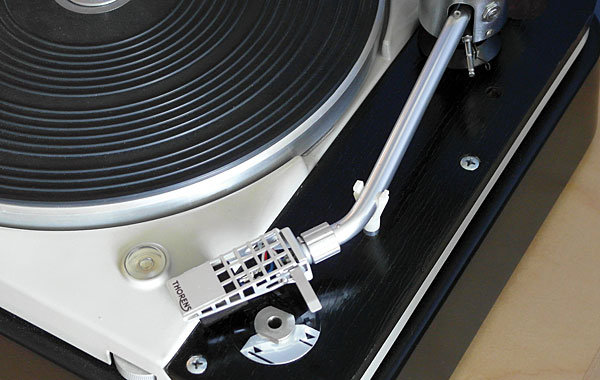
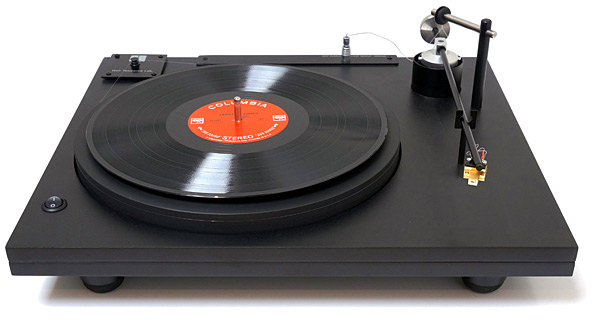
Has it really been 30 years since an engineer named William H. Firebaugh unleashed on the audio world his radical and decidedly affordable Well Tempered Arm? (footnote 1) Indeed it has—and today, at 82, Bill Firebaugh seems busier than ever, with so many irons in the fire that he's been forced to give up the noble game of golf—an irony, as you'll see in a moment.
Listening #139

It's going to happen very soon.—Leonard Cohen, "The Great Event"


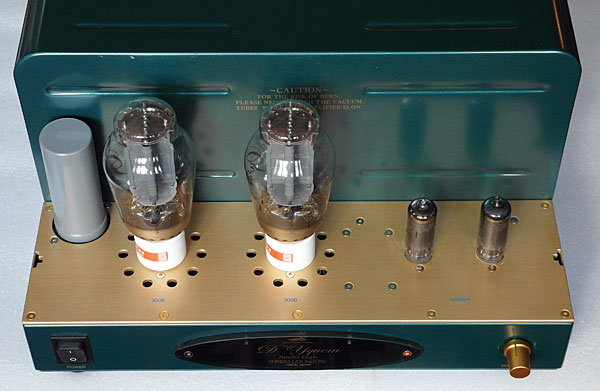
With a parts list that includes 18 new-old-stock Black Cat capacitors, 16 vintage-style Cosmos potentiometers, two Tango chokes, one Tango power transformer, and some of the loveliest steel casework I've seen on a contemporary product, no one could accuse Noriyuki Miyajima of skimping on the build quality of his company's only power amplifier, the Miyajima Laboratory Model 2010 ($9995, footnote 1). Then again, because the 2010 is an output-transformerless (OTL) tube amplifier, Miyajima-san spent considerably less on iron than would otherwise be the case. Think of the money he saved!

Listening #138

Have nothing in your houses that you do not know to be useful or believe to be beautiful.—William Morris (1834–1896)


The Arts and Crafts movement, which took root in England in the late 1800s, was more than just a reaction to the poor working conditions and the soulless, shoddy, superfluously decorated wares associated with the early days of mass production. It was a rejection of Victorian attitudes toward class: of a mindset that promoted a chasm, in industry as in society, between the designer and the craftsman, the architect and the stonemason.

Listening #137

Except for a few titles I've combined with the ones in my listening room, and a few others that I intend to sell, the record collection I bought last year remains in three rows of boxes on the floor of our guest room. Because that room is spacious and comfortable, and equipped with a small refrigerator and a flat-screen TV, it is also the place where my 16-year-old daughter and her friends have their slumber parties and Dr. Who marathons. Thus, as you can imagine, I must sometimes explain to our young guests the Tao of collecting records.

Listening #136


"Perhaps we can shed some light on your problem in a new segment exploring pre-adolescent turmoil. I call it . . . 'Choices.'"—Sideshow Bob, The Simpsons


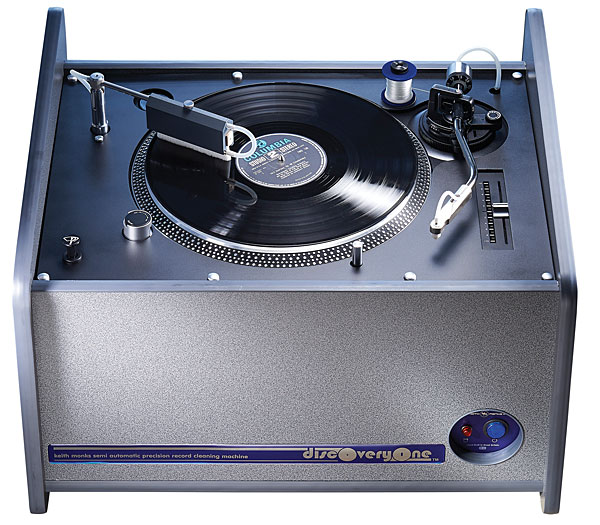
"For us, unlike other manufacturers, there are not degrees of clean. Our entry-level machine is as good as our top of our line when it comes to cleaning records; in between, it's just a matter of choices." Thus spoke Jonathan Monks, who inherited from his father, the late Keith Monks, an audio-manufacturing legacy built upon the world's first commercially produced record-cleaning machine.

Listening #135

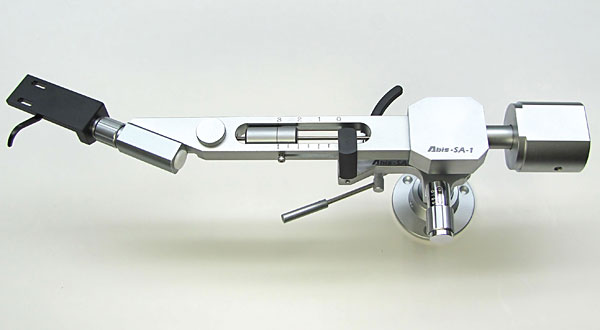
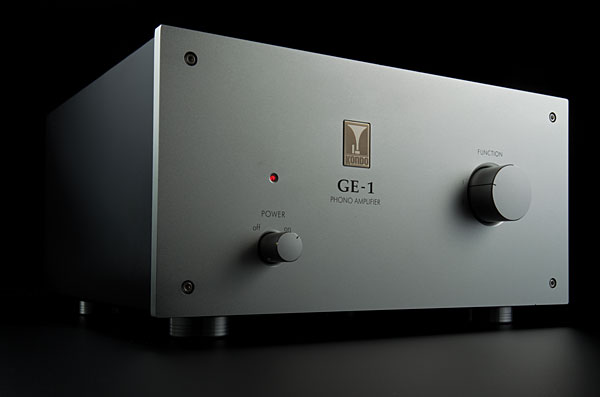
In the wake of my October 2013 "Listening" column and its negative take on the Pete Riggle Woody tonearm, I was surprised and gratified by the offer of another new arm: a gesture of trust not unlike sending one's children to a sleepover at Casey Anthony's house. The supplier was Phillip Holmes, of Texas-based Mockingbird Distribution, and the new tonearm was the Abis SA-1, the design and manufacture of which was commissioned by the Japanese firm Sibatech, itself a distributor of dozens of high-end audio brands, including Zyx, Mactone, Zerodust, and, perhaps most famously, Kondo.

Listening #134

Domestic audio is based on two simple processes: transforming movement into electricity and electricity back into movement. Easy peasy.


Audio engineers have been doing those things for ages. Have they improved their craft to the same extent as the people who, over the same period of time, earned their livings making, say, automobiles and pharmaceuticals? I don't know. But if it were possible to spend an entire day driving a new car from 50 years ago, treating diabetes and erectile dysfunction with the treatments that were available 50 years ago, and listening to 50-year-old records on 50-year-old playback gear, the answer might seem more clear.

Listening #133

If you travel along Route 20 in upstate New York, you might see the hitchhiker my family and I refer to as the Old Soldier—so called because this slightly built man, whose age could be anywhere from 55 to 90, is always dressed in a military uniform from some long-ago campaign. When we first saw him, his topcoat suggested a recent return from Chateau-Thierry; in more recent sightings, the old man has taken to wearing the trim khakis and sharply creased legionnaire cap of the late 1940s—chronological zigzagging that made me think, at first, that this traveler was aging in reverse.

Listening #132

Memory mitigates adversity.—Lucius Lactantius (ca 240–ca 320 AD)


Pity the aging perfectionist, the happy diversions of whose younger days—washing records, oiling turntables, leveling equipment racks, cleaning tube pins—have now become hated chores. And this from a man who used to redo his Roksan Xerxes setup every few months, just for "fun."

Advertisement
Advertisement
Advertisement