Music and Recording Features

Sort By: Post DateTitle Publish Date

David Bowie: Curated
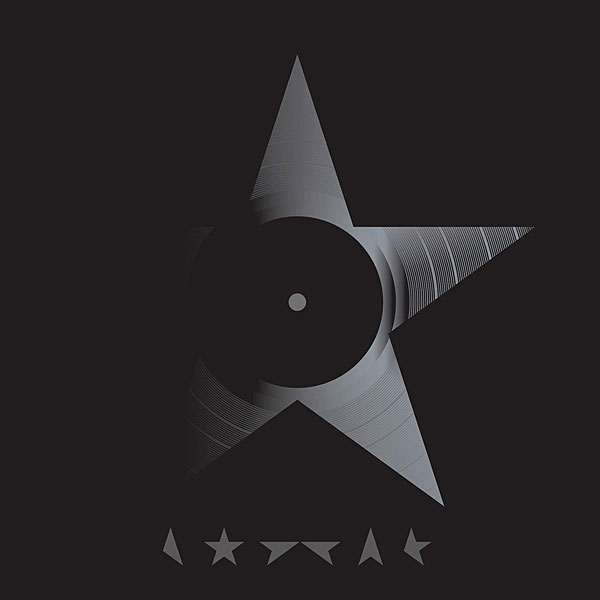
I remember when I first heard that David Bowie had died. I was half-listening to the radio as I prepared for work. I was stunned. I just looked at my partner. To my surprise, a tear ran down my cheek. I had always been rather sniffy about people who got emotional when famous people died, people they had never met, who had never heard of them, who had lived lives of wealth.
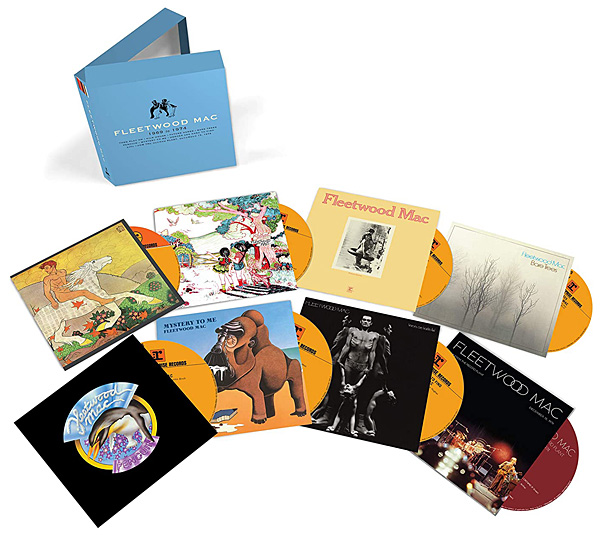
Looking Back at Fleetwood Mac

I've just recently finished reading guitarist/vocalist Walter Lure's autobiography, To Hell and Back. Walter has a great story about his days in Johnny Thunders's Heartbreakers and his own Waldos. Until he died in late August, you could still hear him playing with the Waldos and running periodic tributes to Johnny. But he also took some space to write about his first band, a hard-rock dance band called Bloodbath that pounded the risers in the North Bronx at the dawn of the 1970s.

The Classical Voice: Finding Your Way In

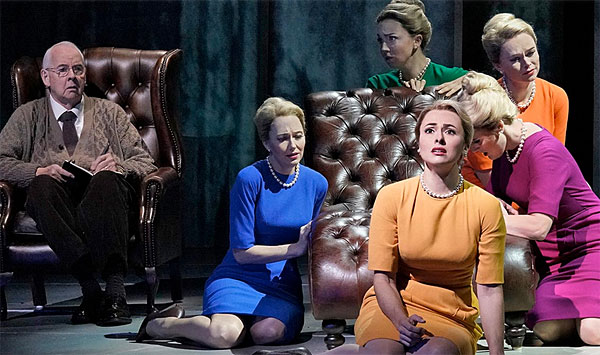
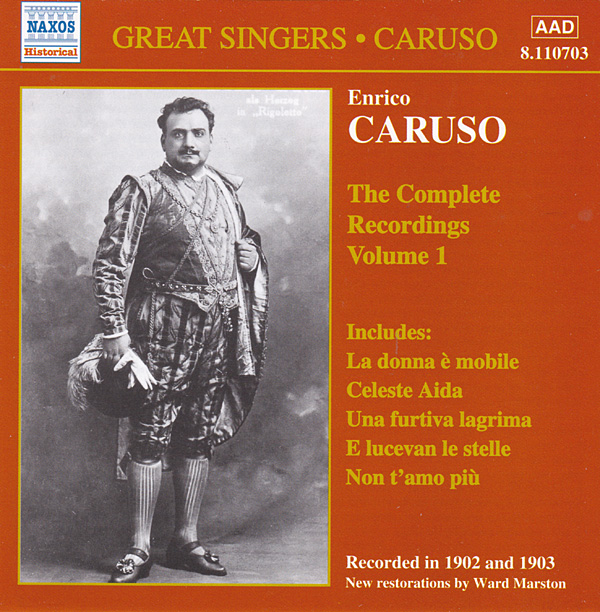
How to explain the power that trained operatic voices hold over many of us? For me, the pull began days after I was born, when acoustic 78s of tenor Enrico Caruso and coloratura sopranos Amelita Galli-Curci and Luisa Tetrazzini played in the background. There was something about the way the dramatic-to-the-core Caruso sang, as if his life depended on it, while the high-flying coloraturas skipped lightly through impossible strings of notes. It moved me like little else.

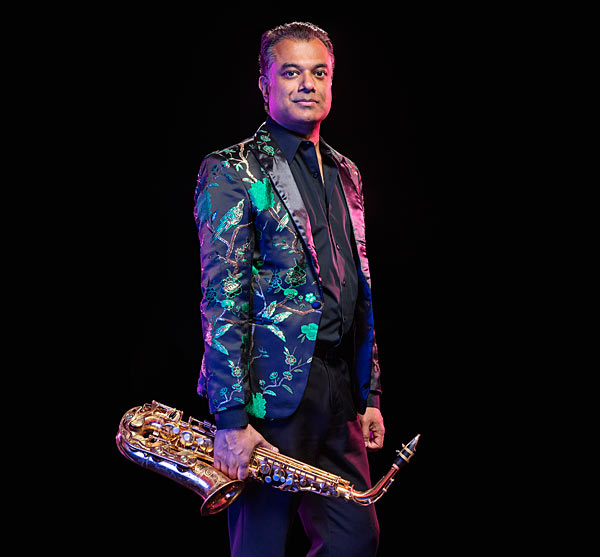
Rudresh Mahanthappa: The Time Is Now


An outburst of saxophone flurries sits you straight up in your chair. The tone is rich but with a cutting edge.


It has to be Rudresh Mahanthappa. The riveting cry of his alto saxophone is one of the most recognizable sounds in jazz.


But those darting runs coalesce into Charlie Parker's "Red Cross." So it can't be Mahanthappa, can it? He has made 15 straight albums of original music. He doesn't do covers, right?

Sheltering In Place In New Orleans

New Orleans, Louisiana — As I write this, my city is locked down. To make sure of it, the National Guard is encamped in Louis Armstrong Park, site of Congo Square, where in former times enslaved Americans gathered to dance and play music, and tourists gathered to watch them. People still gather there when the city is not locked down; they gather at other places, too. No one's gathering now.

Jim Campilongo: Telecaster Master & Audio Enthusiast

In a 2014 profile in the New Yorker, Paul Elie, author of the book Reinventing Bach, wrote, "There it was again: the stinging treble, the spooky overtones, the strings snapping and booming under his hands—the sound of a Tele being played as skillfully and exuberantly as it can be played."


The musician in question was Jim Campilongo . . .

Being There: Reflections on Ways of Experiencing Jazz


I remember the only time i ever saw Chet Baker. It was at Parnell's, a jazz club in Pioneer Square in Seattle, long since defunct. It was a few years before Baker died under mysterious circumstances, in Amsterdam in 1988, after a life of creativity, notorious dissipation, and addiction.


Emaciated, with a caved-in face, he already looked near death. He played like an angel. I remember something that happened to me toward the end of the night. Sometimes last sets in jazz clubs, when the crowd has thinned, seem to exist outside of time.

Streaming Salvation for the Sequestered--UPDATED 5/5!

Specific Live Streams (Scroll down for ongoing series):


  • Thursday, May 7 10pm EDT: The Noe Music Listening Club features composer Jake Heggie discussing and performing his music and that of his music heroes. Sign up here.


  • The Metropolitan Opera streams live performances for 25 hours. This week’s schedule is:


    May 6 Saariaho’s L’Amour de Loin

    May 7 Strauss’s Capriccio

    May 8 Puccini’s La Bohème

    May 9 The Opera House

    May 10 Mascagni’s Cavalleria Rusticana / Leoncavallo’s Pagliacci.


  • More...

When Britain Went Postal: a Post-Punk Survey

Few would have predicted that the Sex Pistols' first gig—in November 1975, at the Saint Martin's School of Art in central London—would be the start of an explosion of music. Not many even knew it was happening. That soon changed. Punk would create a space that other bands rushed to fill. Inspired by the DIY ethos and the rejection of the notion that pop music had to be a 30-minute conceptual track on the lives of elves, punk was just grab an instrument and form a band.

Welcome to the EDM Jungle

In the mid-1990s, record labels were cash-flush and music magazines plentiful. Warner Bros., Capitol, Universal, Mercury, RCA, Arista, Mute, and Astralwerks shuttled US-based music journalists across the Atlantic to cover England's burgeoning Britpop, trip hop, drum and bass, and techno music scenes. The latter three genres were hailed by the press as the "electronic dance music revolution."
Advertisement
Advertisement
Advertisement