Music and Recording Features

Sort By: Post DateTitle Publish Date

A Magic Flute Delights and Surprises

A divine amalgam of joy and solemnity and one of Mozart’s most spiritually elevated creations, Die Zauberflöte (The Magic Flute) brings each generation's finest conductors and singers to the microphone. Now, Metropolitan Opera conductor Yannick Nézet-Séguin and tenor-cum-baritone Rolando Villazón and the Chamber Orchestra of Europe add to their series of Mozart recordings for Deutsche Grammophon with a star-studded version that includes some of the best young and veteran artists of our time.
Giant Step Arts: a Visionary Jazz Concept


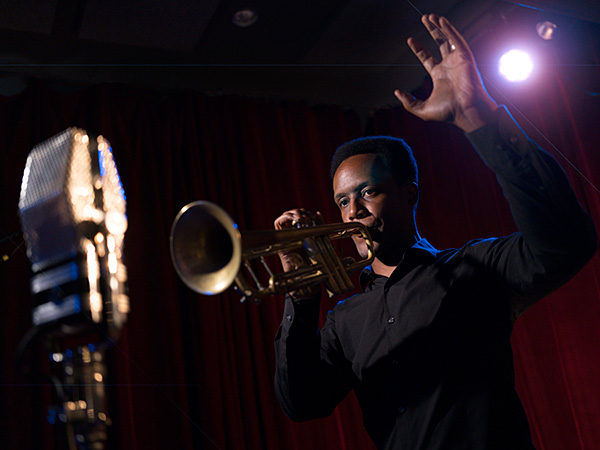
Early in 2019, three jazz CDs appeared on a new record label. They were Jason Palmer's Rhyme and Reason, Johnathan Blake's Trion (both double CDs), and Eric Alexander's Leap of Faith. The label was Giant Step Arts.


Given that hundreds of jazz records—many of them good— are released every month, and that new jazz labels pop up all the time, is the release of three new albums really news?

Verve Gets Vital

Back when the vinyl resurgence was only a gleam in Michael Fremer's eye, most major record labels just couldn't be bothered with the LP. Fans of such masterpieces as Relaxin' with the Miles Davis Quintet, John Coltrane's Blue Train, and Charles Mingus's Blues & Roots had to make do with poor-quality vinyl reissues from small EU-based labels. Sure, there were—and continue to be—audiophile-quality reissues from such companies as Analogue Productions and Speakers Corner, but they often came at a premium price, and a great many classic jazz titles remained unavailable as new, high-quality LPs.

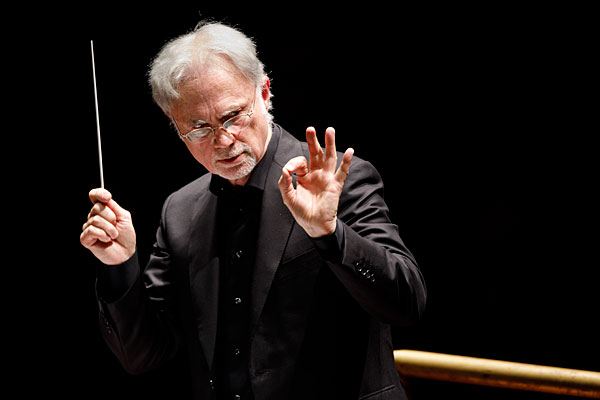
John Adams

American composer John Adams and I first met in the late 1970s, when I became one of his composition students at the San Francisco Conservatory of Music. My recollections from those days endure as near-cinematic images: John lugging his homemade synthesizer—he called it "the Studebaker"—down the hall prior to meeting me at his office; an early performance, at Mills College in Oakland, of Adams's Shaker Loops (footnote 1) for string septet; sitting with Adams during rehearsals for the 1981 premiere of his choral symphony Harmonium (footnote 2), with Edo De Waart and the San Francisco Symphony.

Stilling Heartbreak from Weinberg

Lithuanian conductor Mirga Gražinytė-Tyla's (b. 1986) rendition of Polish-Jewish composer Mieczysław Weinberg's (1919–1996) final symphony, which is dedicated "to the memory of those who were murdered in the Warsaw Ghetto," has all the earmarks of a life-affirming Record to Die For. Rarely have I heard such hallowed silence, absolute control, and reverence for life and beauty from a conductor so young. For those willing to explore the mysteries of exquisite sadness amidst suffering, this recording cries out.

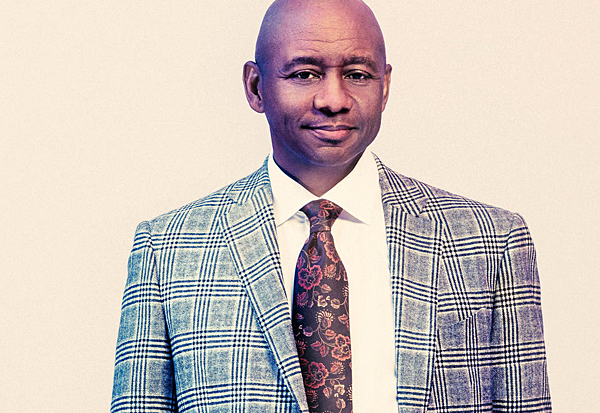
Branford Marsalis: Listening with Sonic Ears

Louisiana-born, 58-year-old saxophonist Branford Marsalis has achieved singular status in the worlds of both jazz and classical music. He cut his teeth playing hard-hitting hard bop with Art Blakey's Jazz Messengers, led The Tonight Show band, and kicked it with the Grateful Dead. He's toured and recorded with Sting, costarred in the Spike Lee film School Daze (1988), and made his classical debut with the New York Philharmonic performing Glazunov's Concerto for Alto Saxophone on Central Park's Great Lawn.

Don Was: What Was Will Be

Don Was is a music lover. Looking at his extensive discography as a record producer and musician, one is struck by the variety of artists he's worked with: from Iggy Pop to the B-52's, from Roy Orbison to Elton John, with over half a dozen stops along the way as producer for a little band called the Rolling Stones. In 2017, Was produced Gregg Allman's final studio album, Southern Blood (Rounder 610005). And when you include all the music he's had a hand in since 2012, when he became president of Blue Note Records, you're talking about one busy little red hen helping to bake a lot of bread.

Honoring Hector Berlioz

It's 150 years since that quintessential French Romantic, Louis-Hector Berlioz (1803–1869), left the planet. A near-contemporary of the equally romantic Chopin, Gounod, Schubert, Schumann, Mendelssohn, and Liszt, Berlioz shared with Meyerbeer (1791–1864) and Wagner (1813–1883) a propensity to express his passions and fantasies in music that sometimes unfolded slowly as it extended drama to extraordinary lengths.
Advertisement
Advertisement
Advertisement