Music and Recording Features

Sort By: Post DateTitle Publish Date

Highway 61 Revisited
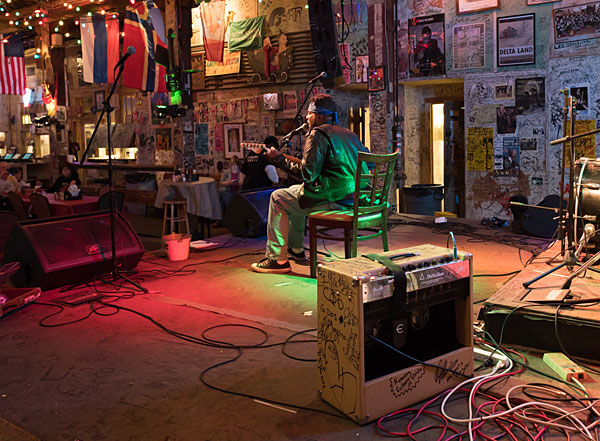
Photos: Jim Austin

I'm sitting in a rented Nissan just off Highway 61—yes, that Highway 61—looking out at a Shell station through the bug-stained windshield and across a litter-strewn, not-yet-planted cotton field. It's late March, and I've just left Clarksdale, Mississippi, on my way to Memphis. Leaving Clarksdale made me thoughtful, so I've pulled over to jot down a few notes.
Steve Albini: Serve The Servants

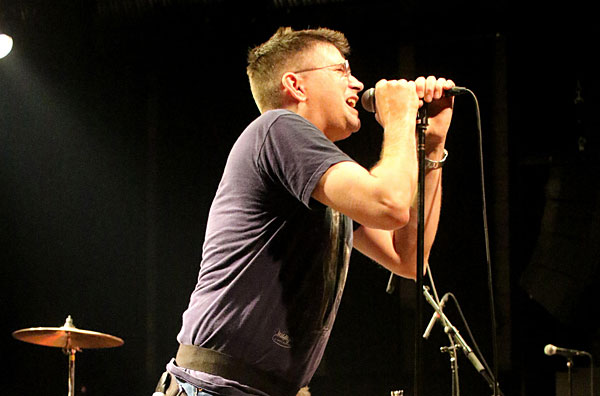
Notoriously opinionated and obstinate Steve Albini, a guy ever vigilant and vocal about the wicked ways of the music business, showing up in Austin, Texas, at the annual South by Southwest festival? This I had to see. After a near-miss at his Austin hotel, we spoke the next morning on the phone.


"It was unspeakable on all levels, as bad as I imagined, and in some ways worse."


Any notion that he'd somehow softened, somehow accepted the music biz as it—


Wait. What the hell am I thinking?

National Sawdust: An Artistic Incubator

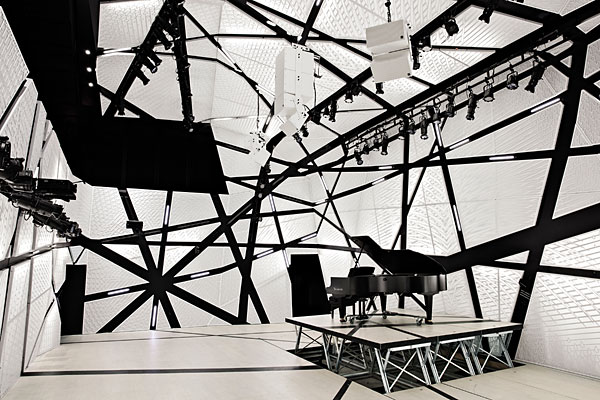
Saturday night in hipster Brooklyn . . . yet there could have been actual sawdust on the floor. Inside National Sawdust, a youngish crowd, many clearly ready to party, were shuffling, some were full-blown jitterbugging, while onstage the Lost Bayou Ramblers, a progressive young Cajun band who'd at first seemed a bit awed by their futuristic surroundings, were slugging beers, sawing a fiddle, squeezing an accordion, and generally finding their groove.

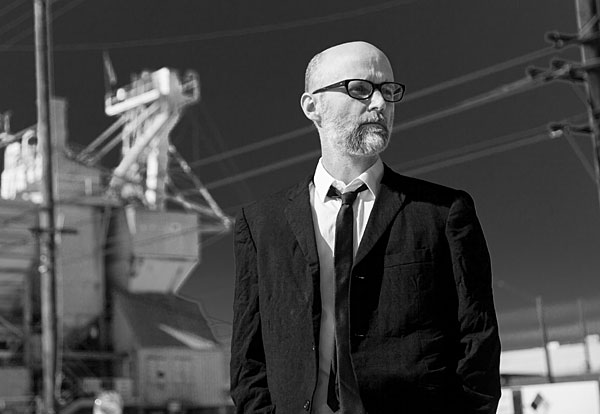
Moby: Sound of Mind

The loudness wars are over. The valiant but hopelessly outnumbered forces that stood against squashing the dynamics and life out of recordings, all in the name of almighty loudness, have been vanquished. Scattered across the smoking battlefield are the lifeless bodies of thousands of disappointed listeners, many so young they will never now know what it's like to hear a natural, uncompressed recording.

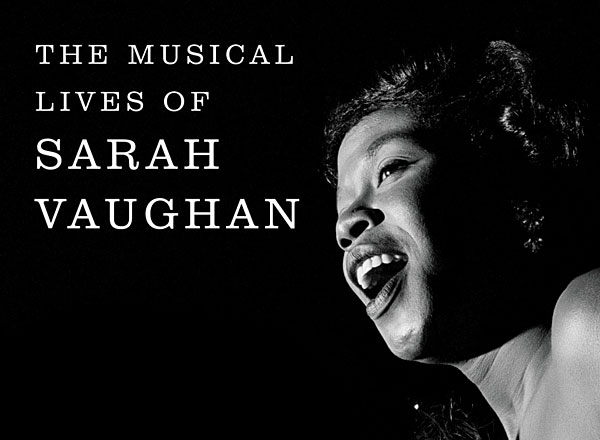
Book Review: Queen of Bebop: The Musical Lives of Sarah Vaughan

Queen of Bebop: The Musical Lives of Sarah Vaughan

By Elaine M. Hayes. 419 pp. Ecco/HarperCollins, 2017. Hardbound: $27.99. Available in eBook and digital audiobook formats.


This is the second biography of Sarah Vaughan (1924–1990), whose towering vocal talents took her to the top rung of the jazz ladder, beside Billie Holiday and Ella Fitzgerald. The author, trained as a classical musician, puts far more emphasis on the singer's recordings than Leslie Gourse did in Sassy, her 1993 Vaughan biography. Hayes's grasp of music, and her definitions of the musical terms she uses, make this the better account.

Brooklyn Rider: Lucid Flight

Is classical music really on the ropes? Living in New York City, it's easy to think that is a myth cooked up in the provinces.


Recently, at a performance of the Metropolitan Opera's fabulous current production of Jacques Offenbach's The Tales of Hoffmann, directed by Bartlett Sher, I experienced Classical Music 2017 up close and personal. In the audience, multicolored sequined jackets and cheetah-print slip-on sneakers mixed with tuxedos. Merrell hiking shoes and Patagonia down jackets crossed with slim-fit outfits from Billy Reid and Hermes bags. Between bravura tenor Vittorio Grigolo in the title role and soprano Erin Morley's absolutely wonderful portrayal of the doll, Olympia (Bravo!!!), it was a performance for the ages. None of the recordings I've heard come close.

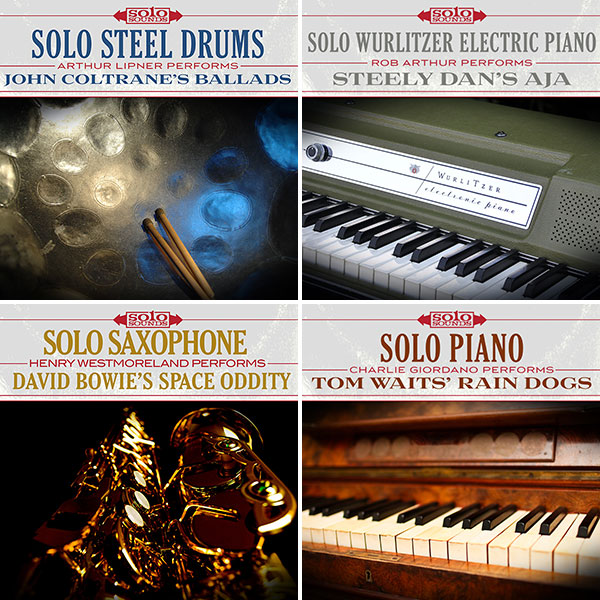
Solo Sounds: The Power of One

While it hasn't always made money or hit records, the music business has never been short on ideas. Most are nonsense, but every once in a while—the gramophone, onstage monitors, Les Paul's overdubbing—the biz comes up with a winner.


Many of the craziest ideas I've heard in 30 years of writing about music have been expounded on at the South by Southwest Music Festival, held each year in Austin, Texas. At SXSW, hope springs eternal. Secrets are whispered. Buzz bands gain momentum. Rumors ripple through crowds. Everyone has visions of morphing into a mogul. There's an intoxicating energy to it all.

The Rolling Stones: Their Satanic Majesties Request 50th Anniversary Edition

While it may elicit shakes of the head, nasty, distasteful looks, or vociferous yawps about its being nothing more than a load of warmed-over psychedelic pandering, the time may have come to listen again to Their Satanic Majesties Request, the much-maligned 1967 album by the Rolling Stones—and perhaps think of it in a slightly more humane light. Few records from that or any other era have been as widely savaged. It's easy to make the argument that any record with such a pretentious title deserves to be ridiculed. The music itself is scattered and feels unfinished in spots. Then there's that cover image.

Listen to Them, Children of the Night

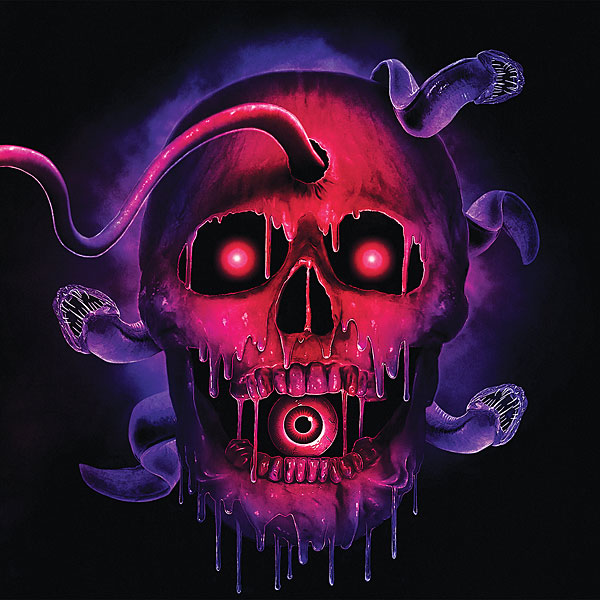
Long ago, I stopped associating Act II of Tchaikovsky's Swan Lake with dancing. Now, every time I hear it, I immediately flash on broken battlements, a black cape, and Béla Lugosi's unmistakable Hungarian accent: "Listen to them—cheelllldreennn of dee night. What muuuusic they make!"


Then there were James Bernard's tense scores for the Hammer films—like Dracula: Prince of Darkness (1966), starring Christopher Lee—that my parents somehow let me see in a theater when I was seven, as part of an afternoon of bargain monster movies that included all the sourballs and unbuttered popcorn you could wolf down. Scared to death, my life was forever changed.

Advertisement
Advertisement
Advertisement