Music and Recording Features

Sort By: Post DateTitle Publish Date

Bill Frisell: New Ideas in Old Songs

Of the celebrated triumvirate of John Scofield, Pat Metheny, and Bill Frisell—the most original and influential jazz guitarists of the past 50 years—none is more distinctive, or self-effacing, than Frisell, a true changeling of the guitar. Frisell is a jazz-based musician, but his music crisscrosses genres, and his guitar playing isn't bound to or limited by a specific technique. He's a master illusionist, able to alter a song's meaning far beyond its original intent with the aid of a Telecaster guitar, a modest effects chain, and, most importantly, his rich imagination.
Some Joy for the New Decade

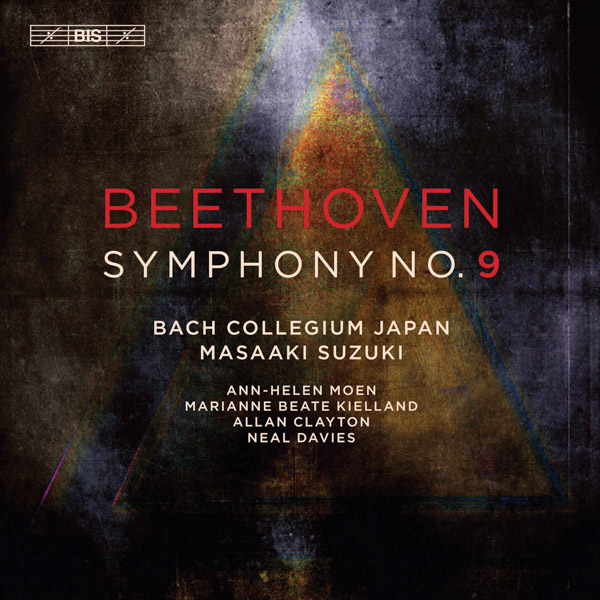
As the decade draws to a close, many of us choose to gather with people we love so that together we can celebrate and give thanks for our blessings. In that spirit, I offer a new hybrid SACD/Download of a perennial favorite, Beethoven Symphony No. 9 in D minor. Op. 125 “Choral” (BIS 2451), whose memorable finale celebrates the joy of oneness with humanity and the divine.

The Clash: Still Calling

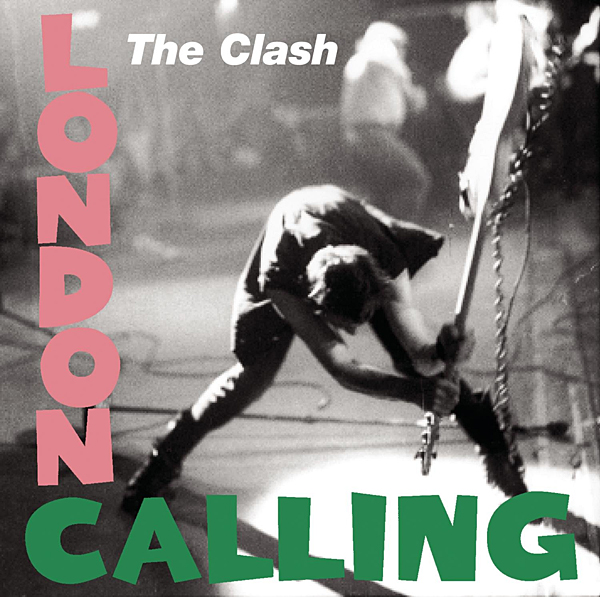
It's not just the gray hairs or the expanding waistline that suggest one is getting old: it's also when the albums you love so much, and so vividly remember hearing for the first time, have become a part of the rock heritage industry. So it is with London Calling by the Clash, which celebrates its 40th birthday in December 2019.

Bryce Dessner Moves Music Forward

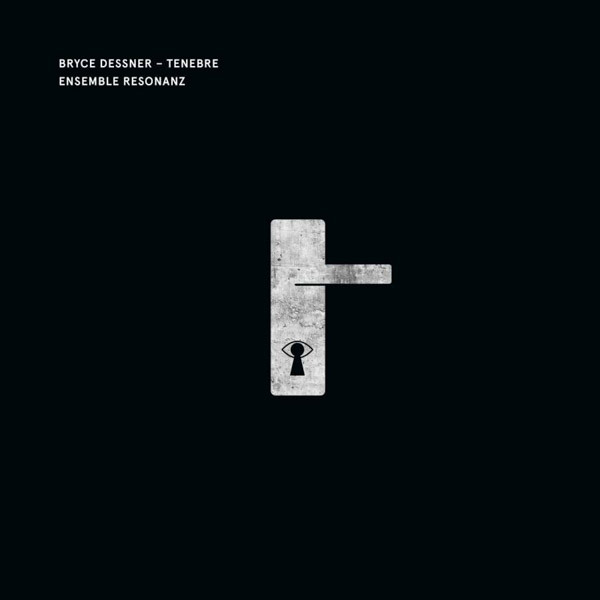
“Musical scavenger” Bryce Dessner, the composer/musician who gained fame as principal songwriter of American rock band The National, describes his process as collecting sounds that appeal to him and trying them out. Classically trained, he’s one of a growing number of artists whose cross-genre music, when performed by string quartets, orchestras, and ensembles, has been central to broadening the definition of classical music in the 21st century. Dessner is also one of eight “extraordinary artists, thinkers and doers” appointed to a collective that will help steer conductor/composer Esa-Pekka Salonen when he succeeds Michael Tilson Thomas as Music Director of the San Francisco Symphony in September.

Manfred Eicher: "You Can't Record Everybody"

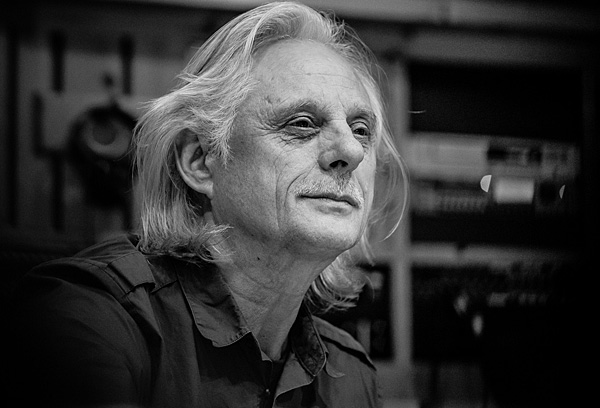
There has never been a record producer like Manfred Eicher, founder and sole proprietor of ECM records, the German-based jazz (and sometimes classical) label that celebrates its 50th anniversary this month.


Eicher doesn't quite win the all-time prize for longevity. Edward Lewis started Decca (UK) in 1929 and owned it until 1980. David Sarnoff controlled RCA from 1919–1970. William Paley did the same at Columbia from 1938-1988. But unlike those other, financially heftier titans, who deferred to department heads and studio producers, Eicher has supervised every single one of ECM's albums—more than 1600 of them.

Beethoven for Four, in All Its Glory

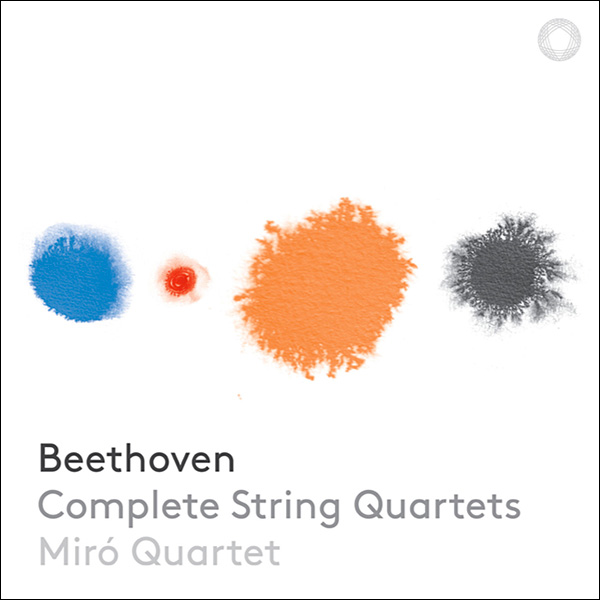
As the 250th anniversary of the birth of Ludwig van Beethoven approaches, artists worldwide have begun issuing complete recordings of his oeuvre. At the top of a fast-growing list, three stand out: Andris Nelsons' recording of Beethoven's nine symphonies with the Wiener Philarmoniker (Decca), Igor Levit's issue of Beethoven's Complete Piano Sonatas (Sony), and the subject of this review, the Miró Quartet's 8-CD set of Beethoven's Complete String Quartets (Pentatone PTC5186827).

Russian Romantic Piano Trio Bonanza

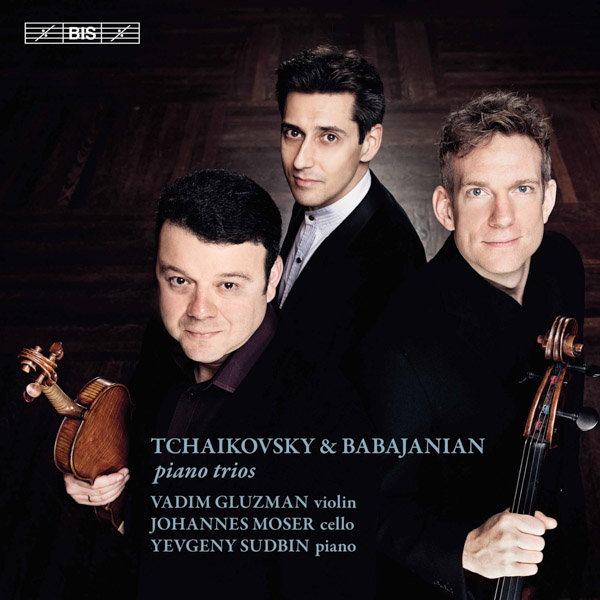
Romantics rejoice! In an age where ice seems to melt faster than hearts, there are still great musicians who uphold the Russian tradition of romantic music. Vadim Gluzman, Johannes Moser, and Yevgeny Sudbin may not (yet) have the cachet of David Oistrakh, Mstislav Rostropovich, and Sviatoslav Richter, who famously came together with Herbert von Karajan to record Beethoven’s Triple Concerto, but their new SACD of Tchaikovsky’s Piano Trio in A minor, Op. 50, and Arno Babajanian’s sole Piano Trio (BIS-2372) places them firmly in the grand Russian tradition of emotive, give-it-all-you’ve-got musicianship.

Chick Corea: Pioneering Jazz Pianist

Armando Anthony "Chick" Corea belongs to that elite cadre of pianists that includes Herbie Hancock, Keith Jarrett, and Mccoy Tyner, pioneers who reshaped the jazz or- der starting in the early 1960s and continued to make strides into the present day.


The now-78-year-old Corea's attainments are many: composer of the standards "la fiesta," "Spain," "500 Miles High," "Matrix," and "Windows"; winner of 22 Grammy Awards (and 64 nods); founder of at least six colossal improvising units (Return to Forever I and II, Circle, the Three Quartets quartet, the Chick Corea Elektric Band, the Vigil Quintet); popularizer of early monophonic synthesizers, and recipient, in 2006, of an NEA Jazz Masters award.

Advertisement
Advertisement
Advertisement