Miscellaneous

Sort By:  Post Date TitlePublish Date

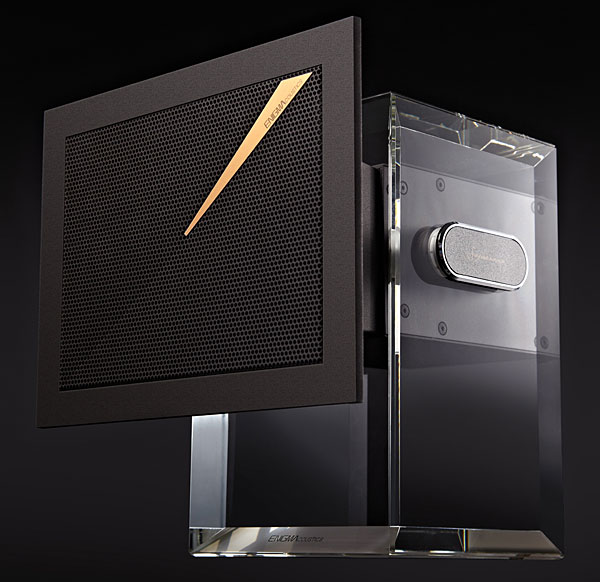
ENIGMAcoustics Sopranino electrostatic supertweeter

For Jason Victor Serinus, one of the highlights of the 2013 T.H.E. Show in Newport Beach, California, was the public debut of the Sopranino—a horn-loaded, self-polarized, electrostatic supertweeter from EnigmAcoustics. In his report, Jason wrote about the sound of a pair of Sopraninos used atop Magico V3 speakers: "only folks with severe hearing loss would have missed how the sound opened up when the Sopranino was switched in." Well, as you can read later, I don't have hearing loss, and I did also hear an improvement with the Sopranino. So when I visited the Californian company's dem room at the 2014 Consumer Electronics Show, in Las Vegas, I asked for review samples.

Sony DTC-2000ES DAT recorder

Introduced nearly eight years ago as the first recordable digital format for consumers, DAT both failed to appeal to its target market and was blocked from formally entering the USA for four years by the RIAA, who feared for the copyright of its members' recordings. However, the DAT medium was enthusiastically snapped up by professionals and semiprofessionals, who found its combination of reliability, CD-compatible signal format, and editing ease ideal for mastering. Sony currently offers a small range of consumer models, from the diminutive Walkman-sized TCD-D-7 DATMan to four-head cassette-deck–sized machines for the so-called "prosumer": amateur recordists who make pin money taping local concerts. The DTC-2000ES is Sony's latest entry (footnote 1).

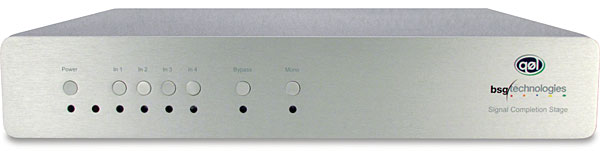
BSG qøl Signal Completion Stage

I walked into BSG's room at the Newport Beach Show in June 2012 unsure of what I was going to hear. I was well aware of this new company's qøl Signal Completion Stage ($3995), but didn't know if it was a genuine step forward in audio reproduction, or just another example of the hokum found on the fringes of our hobby. I took my listening seat, and BSG's CEO Larry Kay, cofounder and erstwhile publisher of Fi magazine, performed A/B comparisons with the qøl's processing in and out of circuit.

High-End Tunes to Go

Photo Credit: Tim Austin Photography

A true story: I got tagged for doing a howling 90mph on the way back to New York on the Jersey Turnpike late one night and got off with a warning.

I was pulled over by a beefy young Trooper, lights blinking furiously. Oops. [heh heh]. He saw Kathleen and I weren't nuts, checked the papers and my license, then checked out the Lexus very carefully with his flashlight. There was much oohing and ahhing.

Totem Acoustic Beak

Erick Lichte mentioned Totem Acoustic's Beak, which costs $125/pair, in his follow-up review of the Totem Forest loudspeaker in January 2010. The Beak is a bullet-shaped device, about 2" high by 1.5" in diameter, that's intended to be placed atop a speaker to control "parasitic resonances." I was given a pair of these more than 10 years ago, and have tried them with various speakers. While Erick didn't find the Beaks to make any difference to the sound of the Forests or any of the other speakers he had to hand, my experience was different.

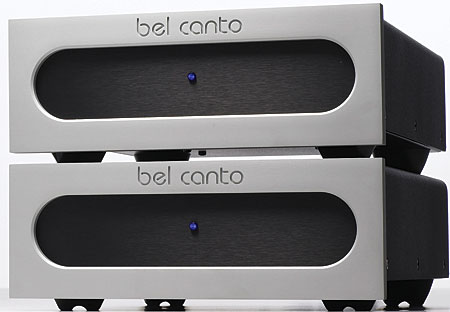
Music in the Round #35

I've been enthusiastically tracking the development of Bel Canto's class-D amplifiers, from their original TriPath-based">http://www.stereophile.com/amplificationreviews/442">TriPath-based models to their more">http://www.stereophile.com/musicintheround/1106mitr">more recent designs based on Bang & Olufsen's ICEpower modules. With each step, Bel Canto has improved their amps' sound quality and reliability.

Bryston 10B electronic crossover

"Crossovers? We don't need no stinkin' crossovers!" Most Stereophile readers probably feel this way when it comes to third-party electronic crossovers. In this day of proprietary "soup-to-nuts" speaker systems, nearly all manufacturers supply complete systems. Nevertheless, some brave (or foolish) souls still choose to sail in uncharted crossover waters. Most do so because they're insanely in love with their current speakers, and have an irrational desire for that last bottom octave. Others have "orphaned" speakers that are not readily upgradeable to the next level of performance. I fall into the second category.

Advertisement
Advertisement
Advertisement