Rafe Arnott
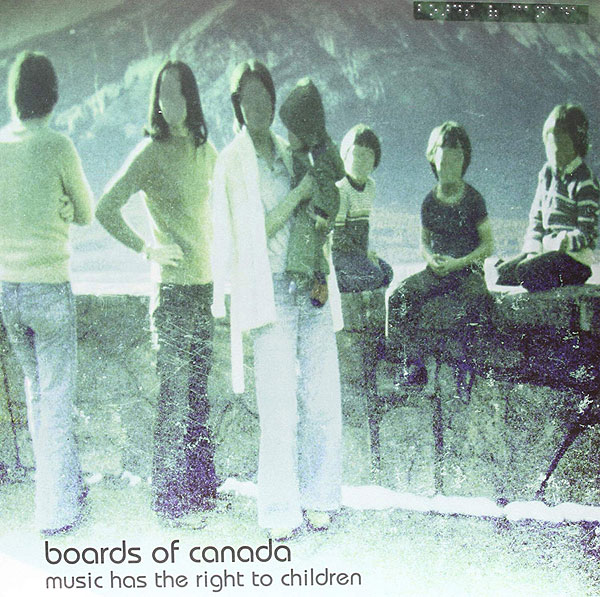 Boards Of Canada: Music Has The Right To Children
Matador OLE 299-2 (CD). 1998. Marcus Eoin, Michael Sandison, prods. An emotronic psychedelic head-music album that defies being dated, Music Has the Right to Children eschewed late-'90s synth/electrowave norms and sentimental watercolor-painted, bleak landscapes awash in analog warmth. This music was, to me, the future from my past, and with each new listen another angle of melancholy would rise forth from deep in my chest. Created by two brothers from Scotland who pirated part of a Canadian public broadcaster's film-series title for their name, this is the album I'd use to change the mind of anyone who doesn't like electronica. It is a deep-set emotional favorite for the fading light of autumn that paints with long brush strokes of melody. I found the CD for $6 in the used section of one of my local record stores, but I just pulled the trigger on an original 2-LP pressing, from Discogs.
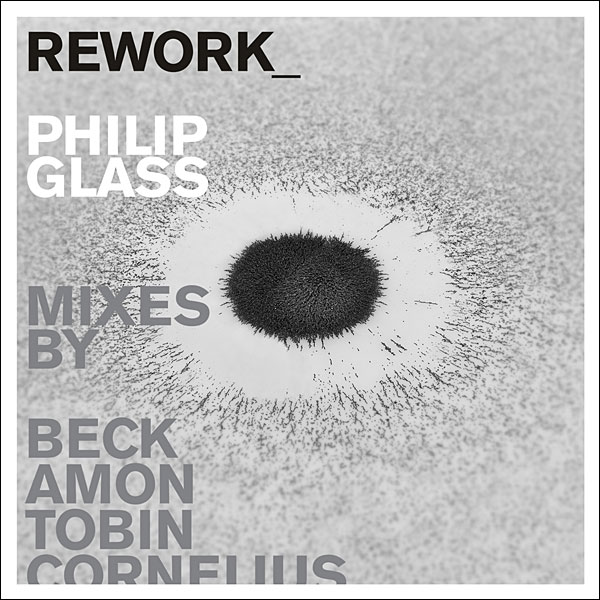 Philip Glass: Rework_Philip Glass Remixed
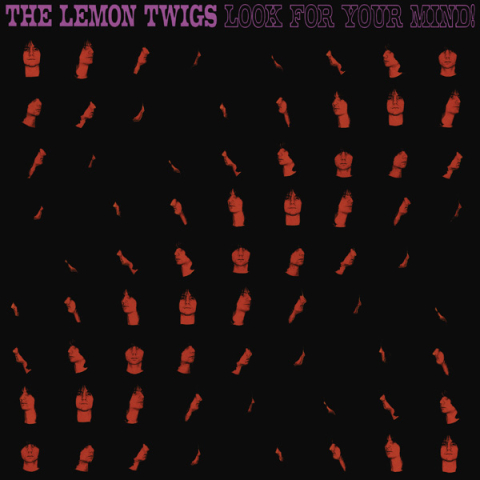
The Kora Records TKR026 (2LP). 2012. Various engs. and prods. I was flipping through new arrivals at Red Cat Records and stopped dead when I saw "Philip Glass," "Beck," and "Amon Tobin" on an LP cover (cool magnetic filings photography). How could putting these heads together, on remixes of Glass's work, not be genius?
Jim Austin
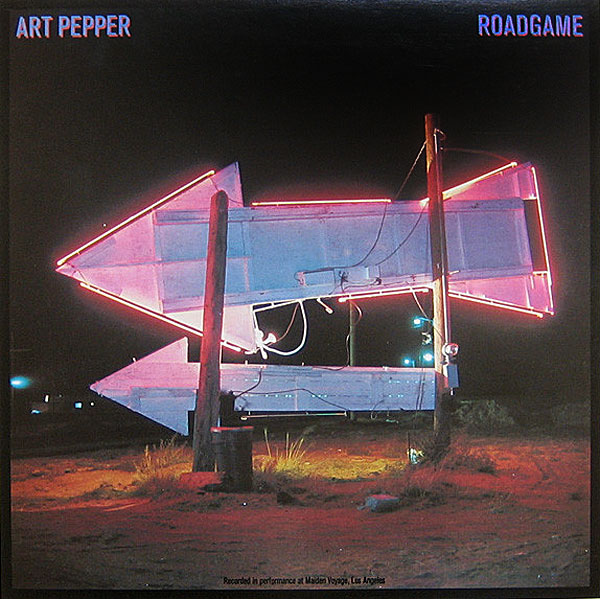 Art Pepper: Roadgame
Art Pepper, alto sax and clarinet; George Cables, piano; David Williams, bass; Carl Burnett, drums
Galaxy GXY-5142 (LP). Ed Michel, prod.; Baker Bigsby, eng.; George Horn, mastering eng. The last time I included an Art Pepper album as an R2D4 selection, it was because of one track of great sadness—characteristic of Pepper's late, post-addiction period. There is some of that on this album, recorded live under a full moon at L.A.'s Maiden Voyage in 1981: I've never heard a more poignant rendition of "Everything Happens to Me," and that includes Chet Baker's. But here the main attraction is Pepper's clarinet on "When You're Smiling." Pepper would be dead in a year, but on this track his playing is light and fun. A pure delight.
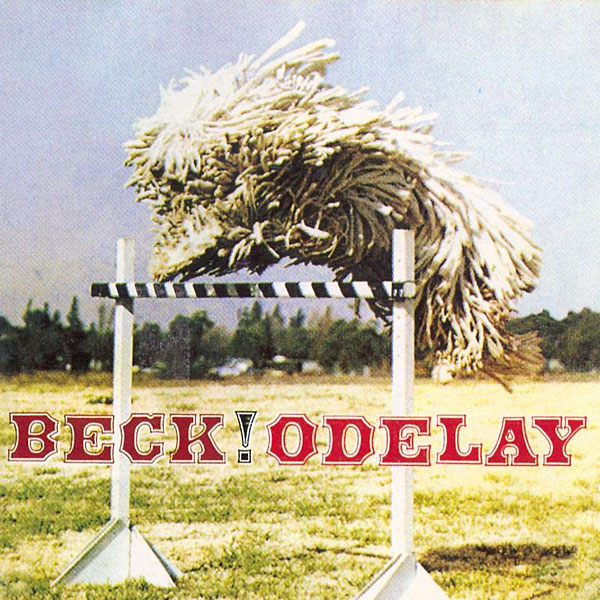 Beck: Odelay
Geffen DGCD-24823 / B0025124-01 (CD/LP). 1996/2016. Beck Hansen, others, prods. Beck Hansen, others, engs. It's hard to know which version to recommend, since there have been so many, and the one I prefer—the four-LP set on ORG from 2008, with an essay by Thurston Moore and student interviews conducted by novelist Dave Eggers—is out of print, and they currently sell used for $125 and up. Anyway, it's hard to justify recommending vinyl for an album that includes fake groove noise and with tracks that appear to include MP3-rez content. I will anyway: If you do vinyl, the current Universal vinyl reissue, the 2016 20th anniversary version, is fine.
John Atkinson
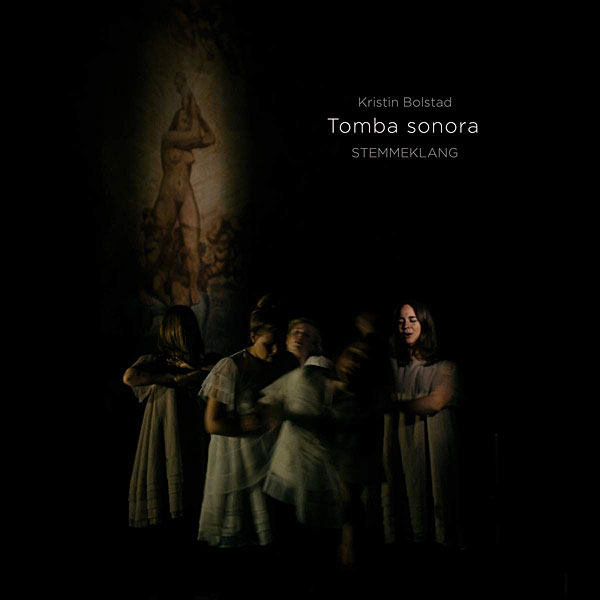 Stemmeklang: Tomba Sonora
Stemmeklang, vocals; Dag Øystein Berger, Erlend Habbestad, Katrine Pedersen, Vilde Alme, cello; Kristin Bolstad, composer.
2L 2L-155-SABD (SACD/MQA CD/Pure Audio Blu-ray; 24/44.1k MQA-encoded FLAC Tidal stream unfolded to 24/352.8k). 2019. Morten Lindberg, prod.; Morten Lindberg, eng.
 Tchaikovsky: Symphony No.6 in B Minor ("Pathétique")
 Kirill Petrenko, Berlin Philharmonic Orchestra
Berliner Philharmoniker BPHR190261 (24/192k FLAC files). 2019. Olaf Maninger, Robert Zimmermann, exec. prods.; Christoph Franke, prod.; René Möller, eng.
Larry Birnbaum
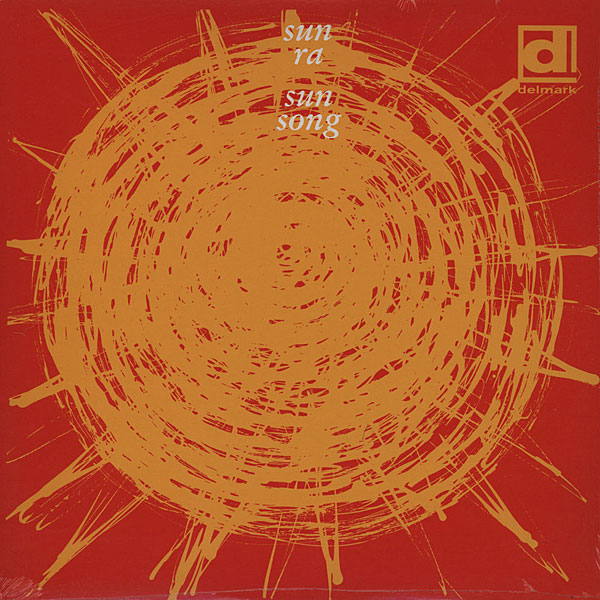 Sun Ra: Sun Song
Sun Ra, piano, Hammond B-3 organ; Art Hoyle, Dave Young, trumpet; Julian Priester, trombone; James Scales, alto saxophone; John Gilmore, tenor saxophone; Pat Patrick, baritone saxophone; Richard Evans, bass; Wilburn Green, electric bass; Robert Barry, drums; Jim Herndon, timpani
Delmark DD-411 1957/1991 (CD). Tom Wilson, orig. prod.; Bob Koester, reissue prod.; Stephen Fassett, Will Connor, engs. Originally recorded for the Transition label as Jazz by Sun Ra, this brilliantly arranged debut album is essentially a hard-bop session, barely hinting at outer-space excursions soon to come. Ra's mid-'50s Arkestra includes only saxophonists John Gilmore and Pat Patrick from his free-jazz future, as well as more conventionally oriented players such as trombonist Julian Priester. The opening "Brainville" anticipates the classical minimalism of Steve Reich, while the balladic "Possession" sports unusually sumptuous sonorities, and the propulsive "Future" spotlights the leader's expansive piano solo. But the musicians, even Ra himself, never quite transcend bebop, except on the cosmic "Sun Song."
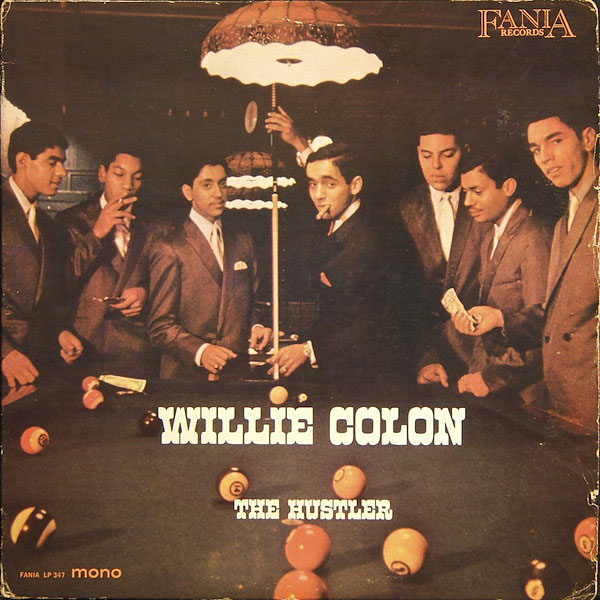 Willie Colón: The Hustler
Willie Colón, Joe Santiago, valve trombone; Mark Dimond, piano; Santi González, bass; Pablo Rosario, bongos; Héctor Andrade, congas; Nicky Marrero, timbales; Héctor Lavoe, lead vocals
Fania SLPCD-347 1968/1991 (CD). Johnny Pacheco, prod.; Irv Greenbaum, eng. The Nuyorican trombonist was still a teenager when he cut his second album, making a transition from the hybrid Latin-soul boogaloo style to Cuban-based salsa. "Boogaloo no va conmigo," sings the budding salsa superstar Héctor Lavoe on "Eso Se Baila Así"—"boogaloo doesn't go with me." "The world is coming to an end," he wails on the rollicking "Se Acaba Este Mundo," laying the blame on long-haired hippies and girls in miniskirts. Besides Lavoe's plaintive, penetrating voice, The Hustler features Mark Dimond's sparkling piano, Nicky Marrero's crackling timbales, and, not least, Colón's brash trombone, heard to slash-and-burn effect on the hard-throbbing instrumental title track.
Thomas Conrad
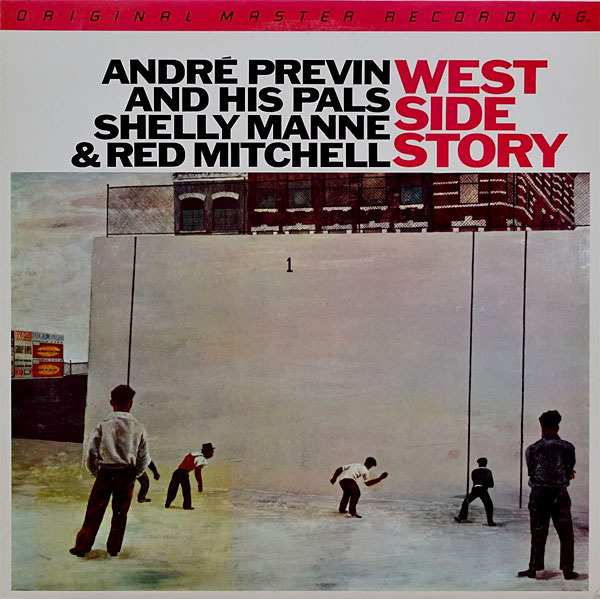 André Previn And His Pals: West Side Story
André Previn, piano; Red Mitchell, bass; Shelly Manne, drums
JVC JVCXR-0209-2 (CD). 1960/2001. Lester Koenig, prod.; Roy DuNann, eng.; Alan Yoshida, remastering.
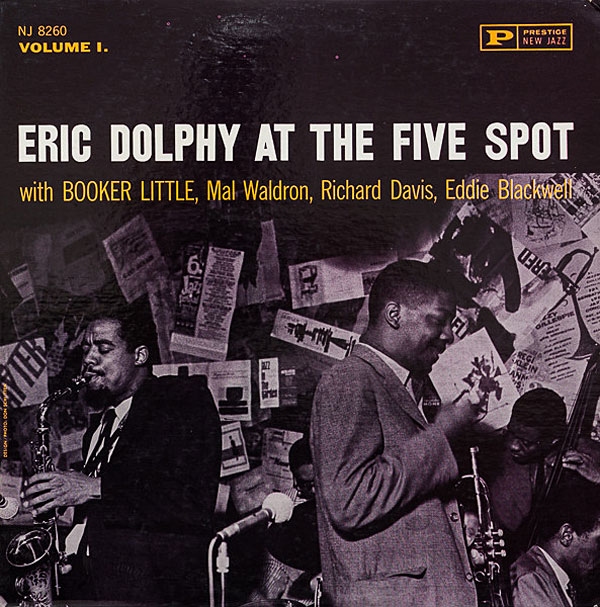 Eric Dolphy: At The Five Spot Vol. 1
Eric Dolphy, alto saxophone, bass clarinet; Booker Little, trumpet; Mal Waldron, piano; Richard Davis, bass; Ed Blackwell, drums
Prestige VDJ-1504E (CD). 1961/1986. Esmond Edwards, prod.; Rudy Van Gelder, eng. This harsh, noisy recording preserves the raw truth of a priceless New York jazz moment in time: July 16, 1961. In the Five Spot in the Bowery, Eric Dolphy (who would live three more years) and Booker Little (who would live four more months) unleash wild beauty. Dolphy is explosive, piercing, and lyrical. On "Fire Waltz," he soars up from Mal Waldron's piano intro and flies, a glorious winged bird of prey. Little's brilliant, brassy, free, coherent lines are like those of no trumpet player before or since. The crowd sounds loose, oblivious to the fact that history is being made as they drink and laugh.