My Back Pages

Sort By:  Post Date TitlePublish Date

It's On Tape

Why should we worry about the conservation and preservation of old analog master tapes when they've long ago been transferred to digital? It's a reasonable question—especially since AI-powered digital signal processing is on the horizon, promising perfect repair of bad-sounding digital audio files. Musicians and many audiophiles are skeptical that DSP could ever perform authentic correction on natively analog domain-transferred music files, the way (eg) Plangent Processes can. A forceful argument for better preservation of the surviving tapes is that when they're gone, we'll have lost not only the absolute (if also decaying) reference but also vital information that can be essential to applying authentic corrective processes.
A Four-Cent Cigar and the Tyranny of Better

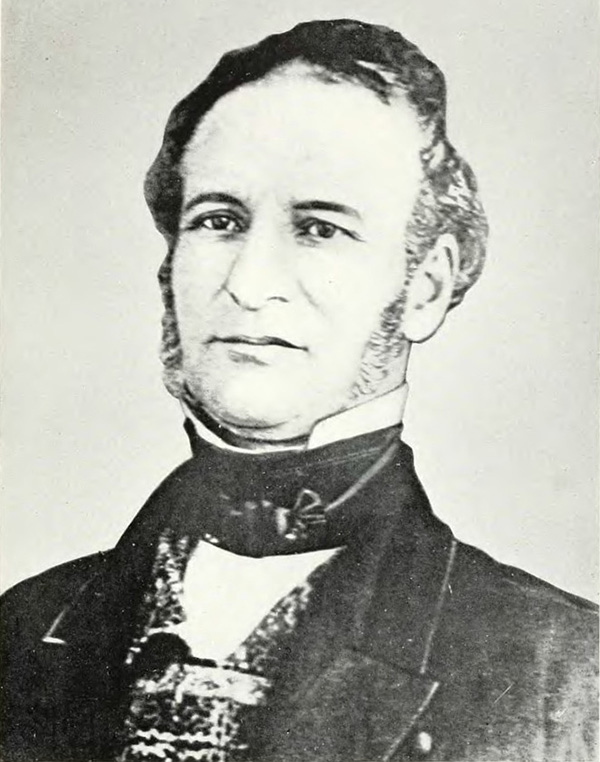
Edward Mott Robinson (above), a Quaker tycoon from whaling-era Massachusetts, would turn down fine cigars. He preferred the cheap kind. "I smoke four-cent cigars, and I like them," he declared (footnote 1). "If I were to smoke better ones, I might lose my taste for the cheap ones that I now find quite satisfactory."

Robinson wasn't so much guarding his palate as preserving his contentment. A simple pleasure had settled into place, untroubled by ambition, and he knew to leave it alone.

I think about Robinson's four-cent stogie sometimes, usually when someone asks whether a $10,000 integrated amplifier really sounds five times better than a $2000 one. (Answer: No, it doesn't.) Or whether hearing a $12,000 DAC will ruin you for the $1000 unit you used to love. (My take: Very possibly.)

My New Album!

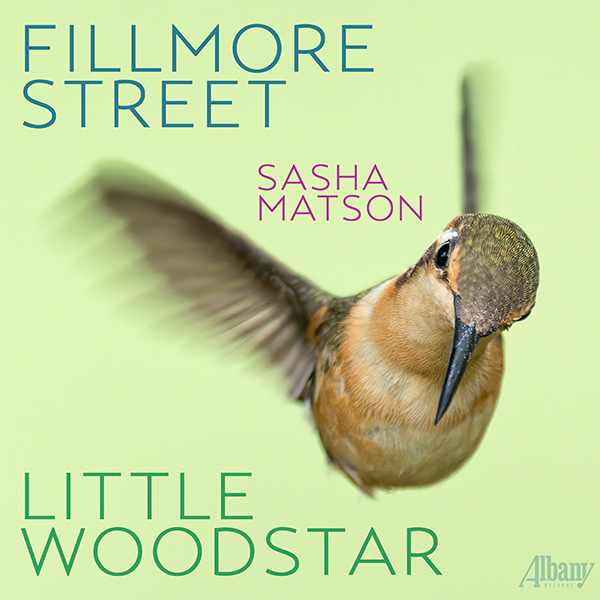
February 2025 marked the release of a new recording of my compositions: Fillmore Street/Little Woodstar. This is the sixth album of my music. My first solo outing as a composer—Steel Chords i-5, on AudioQuest Music—was in 1993.

When I set out to assemble something musical, I don't think in terms of songs, tracks, or playlists—I'm trying to put together an album. Even more old-school: I'm thinking in terms of an album that has two sides, two parts to the program, like an LP. Figuring out what that program should be takes a long time.

In the case of Fillmore Street/Little Woodstar, I decided on a two-piece set consisting of one old composition and one new one. These two works live in two different musical ballparks. Fillmore Street, on side 1 of the LP, is scored for a jazz orchestra. It tells musical stories about three locations in California. The older work on the album, Little Woodstar, which I composed while in grad school, leans classical.

Hanging at the Capital

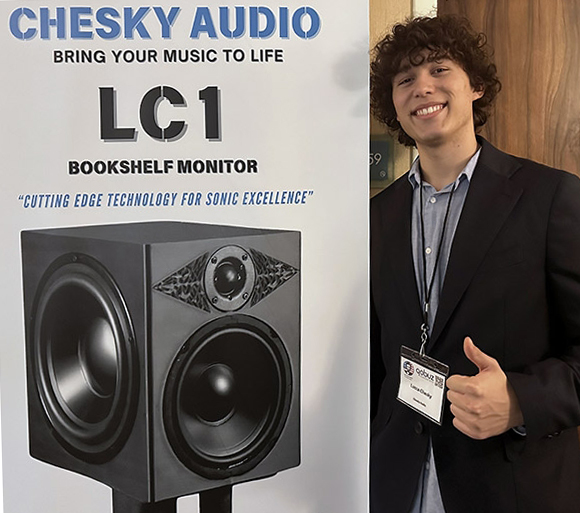
Lucca Chesky with his LC1 loudspeaker. (Photo: Ken Micallef)

"Shot?", said Boris. It was more a command than a question. He poured Beluga vodka into my glass. "My father drank three shot every day," Boris said. "Lived to 87." Boris Meltsner is the owner of Amped, a very fine range of class-D amplifiers. I was visiting him at the 2024 Capital AudioFest (CAF) in Rockville, Maryland. Boris hails from "Soviet Union, not Russia," he said in an accent as thick as a potato-filled piroshki. "Was called Soviet Union when I left."

Visiting CAF is a joy for me. I recently sold my company, Music Hall, and I was already missing the camaraderie of my industry colleagues and the fun of playing and listening to music.

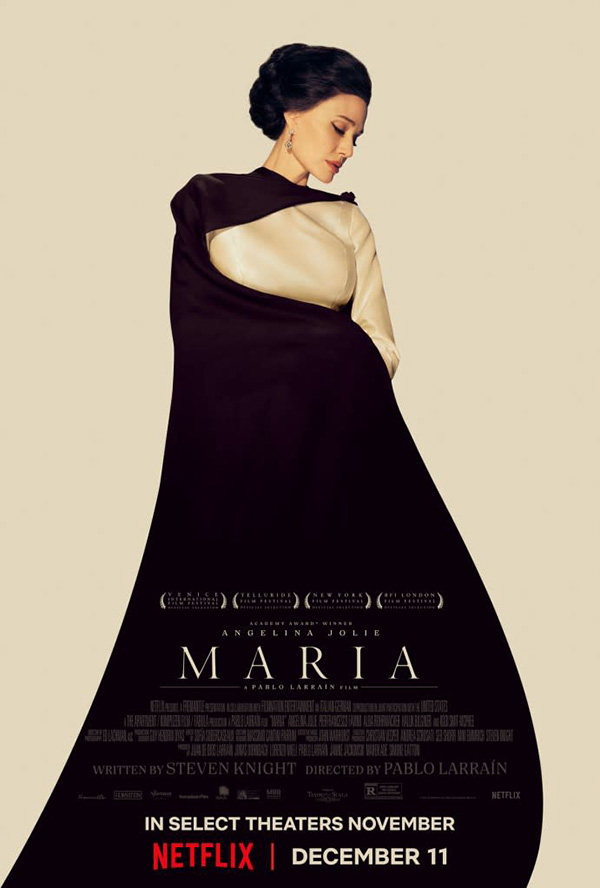
Maria, Maria...What's with this gal named Maria?

So much critical ink has been spilled on Maria, Pablo Larrain and Steven Knight's biographical fantasy on the last days of operatic soprano Maria Callas, that everyone who hasn't yet seen it "knows" exactly why. Which is a crying shame, given that very few reviews present the musical reasons that make Maria essential viewing, especially for people who care deeply about music.

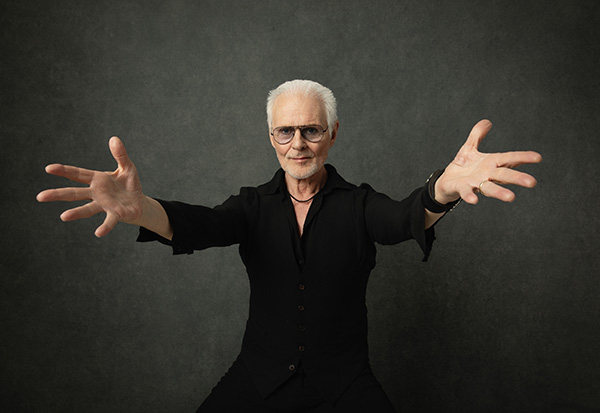
Michael Des Barres and the Art of Aural Obsession

Photo: Piper Ferguson

Listening to music inspires us to take action. Upon hearing an I.E.—Instant Ear-worm—we must then determine the best way we can go about listening to it again (and again) at our convenience. Prior to the free-for-all streaming era, our I.E. follow-through measures typically meant seeking out a specific playback medium for our favorite music, initially based on budgetary constraints. In those formative, pre-employment preteen years, 45s—and/or, depending on how far back we're talking here, possibly even 78s—fit the literal dollar bill before we could afford to move up the media ladder and begin purchasing LPs en masse. Our then-limited playback options tended to start with those self-contained, close-and-play record players and/or our parents' living-room consoles before we could afford to acquire separate components for more personal, higher-fidelity listening sessions. We were, to be blunt, obsessed.

Across the pond, hungry young listeners were eager to do the exact same thing. Take garage/punk glam-pop vocalist Michael Des Barres (aka MDB), who had duly been shuffled off to Repton School in Derbyshire, England, as a lad in the 1950s and found his initial aural inspiration by listening to his mates' records, since he couldn't yet afford to buy any of his own.

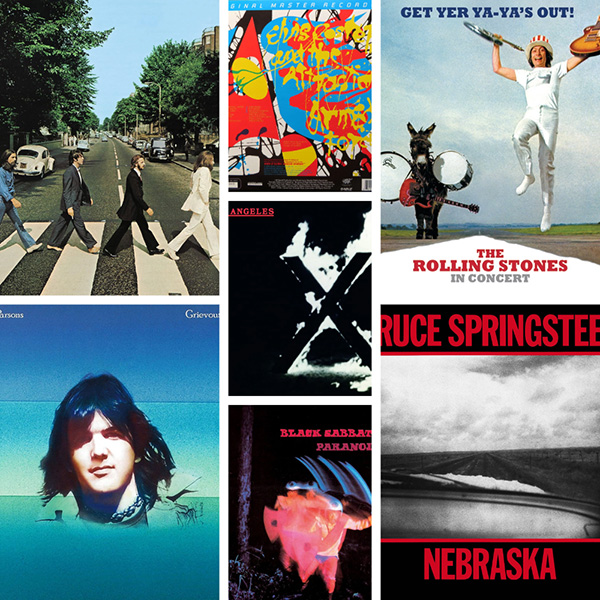
Perfect Album Sides

Before the bits and bytes, before the streams, the music business and its most talented artists, producers, and engineers conjured up a notion of musical-sonic holiness: the perfect album side.

Remember albums? The idea is quaint in the era of streaming, a time of "summer songs," one-hit wonders, meme songs, song snippets on TikTok, songs tied to viral videos, robot-generated playlists, and whatnot. Those of us older than the World Wide Web itself, we remember albums. They were 12" slices of happiness, sadness, escape, epiphany—all the feelings.

The Audiophile's Dilemma

This article is not about Seattle band The Head and the Heart (above). But read on . . .

Movie characters pondering momentous decisions are sometimes subjected to a raging debate between an imaginary angel on one shoulder and an imaginary devil on the other. Think of Larry "Pinto" Kroger deciding whether to take advantage of his passed-out-drunk date during the infamous Animal House toga party.

Audiophiles, too, are often pulled in opposite directions. But instead of angel's wings or devil's horns, our imaginary duelists are decked out in T-shirts, one with a logo that says "digital," the other with a logo that says "analog." Or tubes and transistors. Or that old favorite, Everything Matters vs Expensive Cables are Snake Oil.

I won't presume to adjudicate these perpetual rhubarbs, but I will confess to facing a battle of my own, waged between the Head and the Heart.

X Marks the End

Photo by Frank Gargan

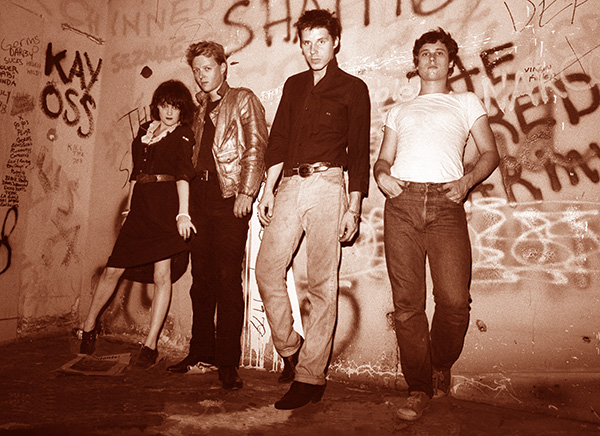
All bands dissolve eventually, for reasons ranging from commercial failure, personnel dynamics, and death to just running out of steam. The band X, beloved by its niche fanbase and highly influential in punk, hard rock, and even alt-country, decided to control the time and place of its end. Earlier this year, they announced "the final album," Smoke & Fiction. "The End Is Near" tour listed shows through October 2024.

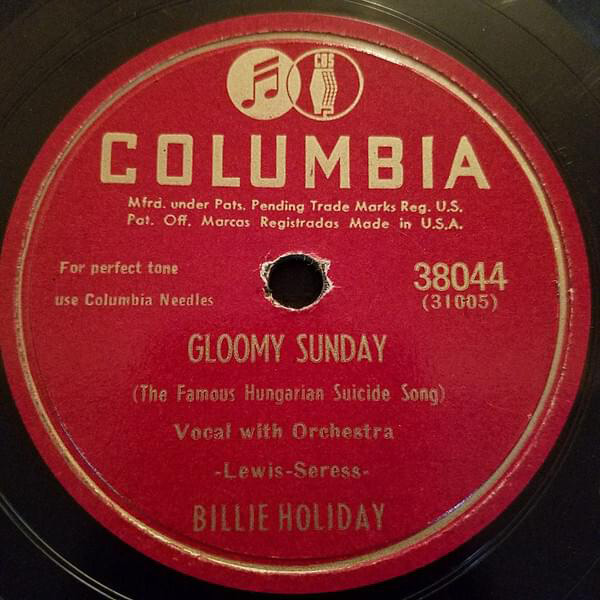
"Gloomy Sunday": The Most Notorious Song I Know

Editor's Note: This article is in part about depression and suicide. If you think of harming yourself, the National Suicide Hotline is there to help: 1-800-273-TALK.

When German writer Johann Wolfgang von Goethe published The Sorrows of Young Werther in 1774, he intended for readers to finish it, but not, you know, to end it. To Goethe's disbelief, his novel sparked a spate of suicides. The title character, whose obsessive love for a married woman was unrequited, ended up shooting himself, and soon the copycatting started. Young men of the era would dress just as the fictional Werther had—yellow trousers, blue jacket—and use a similar pistol. Often, a copy of the book was found at the scene. The number of deaths was unsettling enough that Italy and Denmark banned Goethe's novel. The German city of Leipzig even outlawed Werther-style clothes for a while. The phenomenon is now known as the Werther effect.

Advertisement
Advertisement
Advertisement