Stephen Mejias

Sort By:  Post Date TitlePublish Date

Stian Westerhus: Pitch Black Star Spangled
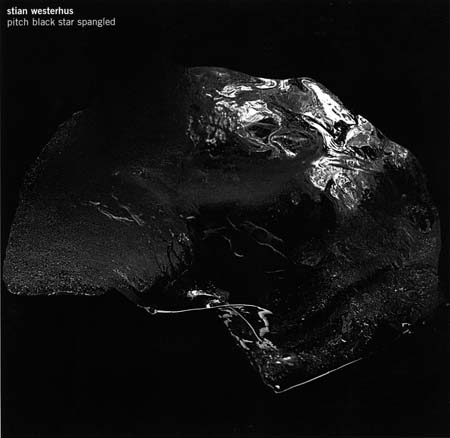
Stian">http://www.stianwesterhus.com/">Stian Westerhus plays guitar in a band called Puma. Having enjoyed Puma’s latest album, Half">http://blog.stereophile.com/stephenmejias/puma_half_nelson_courtship/">… Nelson Courtship, a powerful assault on the senses, I was anxious to hear Westerhus’s solo work. I expected something brutal&#151even something frightening, something perhaps verging on the unlistenable&#151but Westerhus’s second solo LP, Pitch Black Star Spangled (Rune">http://www.runegrammofon.com/">Rune Grammofon RCD 2099/RLP 3099), is something else, something more.


Now On Newsstands: Stereophile, Vol.33 No.10

The October 2010 issue of Stereophile is now on newsstands. On the cover, you’ll see a pretty much life-sized image of Logitech’s Squeezebox Touch, a real dandy of a hi-fi product that costs just $300 and seems to captivate everyone who comes into contact with it. The normally unflappable Kal Rubinson ends his review (page 118) by advising, “Get a Squeezebox Touch right now. You’ll never look back.” Even our cover photographer, Eric Swanson, fell in love with the little thing. He bought his sample. We chose the Mobile Fidelity version of Beck’s Sea Change for the cover art because it connects with Robert Baird’s feature piece on outstanding reissues (page 111), and because the colors are pretty. The colors featured on the Squeezebox Touch’s display dictated those used by our graphic designer, Natalie Baca, in her cover treatment.

Killing the Blues: John Prine at Governors Island

The two Big Eye IPAs I had enjoyed with dinner were doing the trick. I was feeling weightless even before stepping onto the ferry. Beautiful people crowded the front, holding onto railings and each other, while some sat inside the old, wooden frame. Lower Manhattan was soft, quiet, and blue, and two towers of light shot high into the night sky. Suddenly, imperceptibly, the unreal city became smaller and more distant: I hadn’t noticed that the ferry had departed. We could just as easily have been riding a magic carpet. Robert Baird and I were on our way to see John Prine at Governors Island, just a short ferry trip away from Ground Zero in Manhattan.

A Welter of Polyrhythms

On the train this morning, deep into Aaron Copland’s classic, What to Listen for in Music, which Art Dudley discusses in our November issue, I read a bit about rhythms and polyrhythms. Copland is giving a brief history on the use and evolution of rhythm in modern Western composition, explaining how we got from basic two-four time marches to much more complex combinations of two or more independent rhythms in varying times. This is what I read:

Advertisement
Advertisement
Advertisement