As We See It

Sort By: Post DateTitle Publish Date

Art Dudley: A Primal Light

Photo: Sasha Matson


In April 14, 1895, Mahler's Symphony No.2, "Resurrection," premiered in Berlin (footnote 1). Mahler wrote a program for this symphony prior to a performance six years later, in Dresden. Here is what he wrote about the first movement, Allegro maestoso:


"We are standing near the grave of a well-loved man. His whole life, his struggles, his sufferings and his accomplishments on earth pass before us. And now, in this solemn and deeply stirring moment, when the confusion and distractions of everyday life are lifted like a hood from our eyes, a voice of awe-inspiring solemnity chills our heart, a voice that, blinded by the mirage of everyday life, we usually ignore: 'What next?' it says. 'What is life and what is death? Will we live on eternally? Is it all an empty dream or do our life and death have meaning?'"

DisConcerted

On Sunday, March 22, at 8pm, the state of New York shut down, governor's orders. Here in the Big City, most stores are closed—even Starbucks, or at least the ones near me. In my neighborhood, up on Broadway, a grocery store is open, and a drugstore, a hardware store, and a couple of bodegas. Some bars and restaurants are open for takeout only, some advertising COCKTAILS TO GO in big black letters painted on bedsheets—New Orleans comes to NYC. (Meanwhile, New Orleans itself, also a coronavirus hotspot, apparently is desolate, the bars closed, a hard thing to picture.)

. . . and I feel fine

The High End 2020 show, scheduled to take place in Munich in mid-May, was canceled due to concerns about the coronavirus. The California Audio Show, which usually takes place in late July, is also off, although the reason for its cancelation isn't clear. And as we've just learned, AXPONA, the biggest show in the Western Hemisphere, has been postponed from its original dates (around the time this issue hits mailboxes and newsstands) to the second weekend of August.


The reason, of course, is concern about the spread of COVID-19.

Hi-Fi Arcana I

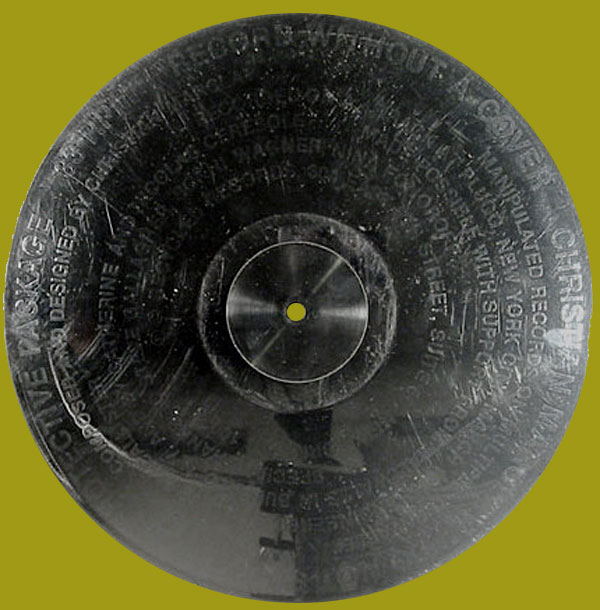
Some Stereophile readers will surely remember—some may even have in their collections—Christian Marclay's 1985 vinyl release Record Without a Cover, surely one of the oddest records ever, right up there with the dying-rabbit record and the seven-inch single that's tinted yellow by the band's actual urine.

Let rolling streams their gladness show

In the 1980s, the CD nearly pushed the LP to extinction. Nearly. For all the claims of "Perfect Sound Forever," the main thing offered by the CD was convenience.


Then, in the mid-1990s, the MP3 and the Internet made it easy to extract and distribute the information encoded on a CD. Secret websites raced to be the first to distribute free MP3s of new recordings, sometimes even before they were released. This went on for years, undermining record-company profits, before Napster came along and gave the record industry a high-value lawsuit target: no more suing widows and small children.

Current Events

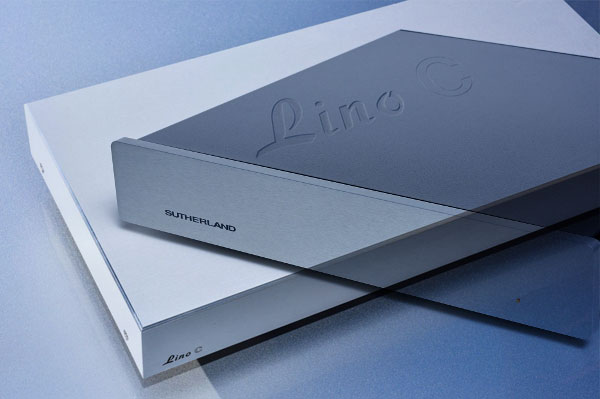
My first exposure to current-mode phono preamplification was maybe a dozen years ago, when such products were new. The one I received, though nicely packaged, was not ready for prime time. I never smelled smoke, but I never heard sound, either: If it wasn't DOA, it was at a minimum DSAA—Dead Soon After Arrival.

Slow Listening

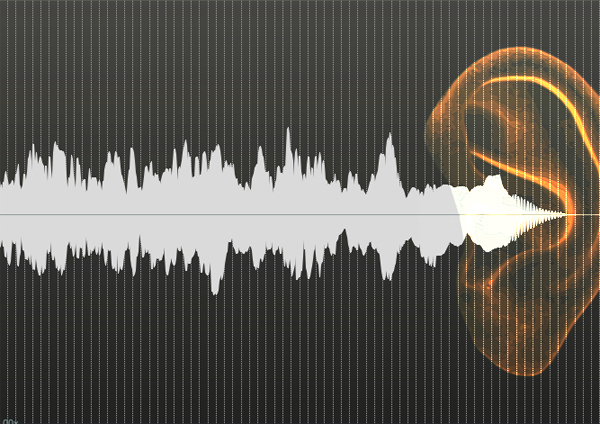
Subjectivist audiophiles have long maintained that long-term listening is necessary to assess the quality and character of an audio component. Scientific testing methodologies such as ABX, which require quick and conscious evaluation of a change in the sound, have long struck many of us as insufficient, seeming to miss much that affects our enjoyment of music.

On Genre

"There are simply two kinds of music, good music and the other kind . . . the only yardstick by which the result should be judged is simply that of how it sounds."—Duke Ellington


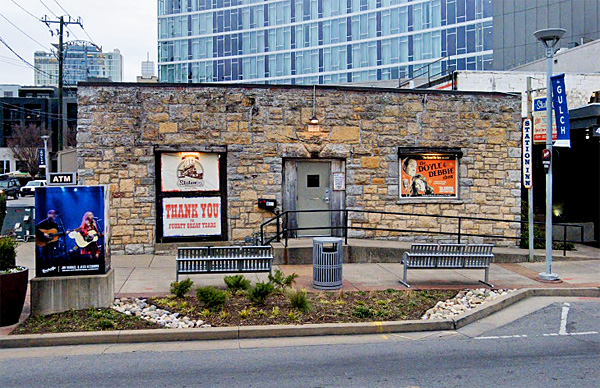
Before I became Stereophile's editor—when I still had time for such things—I would occasionally pack up a camera and some lenses, get in my truck, and drive, usually south, in pursuit of good images and sounds. I'd spend a couple of weeks on the road, stopping to take pictures whenever I came across a picturesque town or valley or an abandoned drive-in theater. I'd try to end the day in some city or town that was likely to have live music. A couple of times on every trip, I'd find myself approaching an especially musical place: Clarksdale. Memphis. New Orleans.

Spirited Away by Music

Yup, you're in a strange position, all right. You're in love with a girl who is no more.—Haruki Murakami


The quote above, from Haruki Murakami's novel Kafka on the Shore, is addressed to Kafka, a 15-year-old boy who has fallen in love with the teenage ghost of an older woman. The woman is still alive, but ever since the death of her lover many years before, she has existed separate from her spirit. Falling in love with ghosts is something I've done often, starting at about Kafka's age.

Advertisement
Advertisement
Advertisement