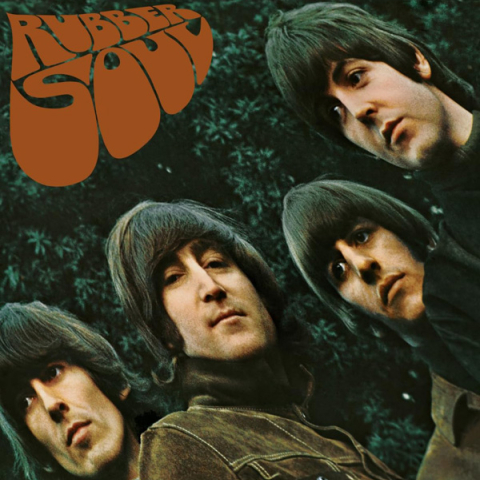

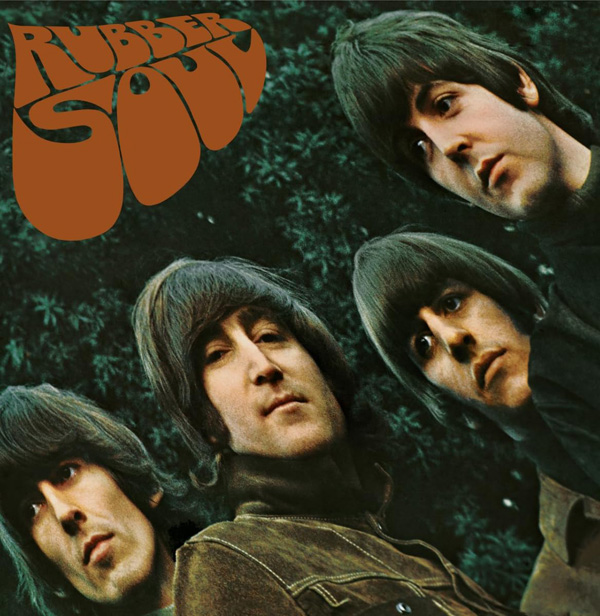
The Beatles: Rubber Soul
Apple Corps Limited/UME 6572304 (5 LPs, 7" 45rpm single). 1965/2026. Lux Paterson, Guy Hayden, Sherry Elbe, Giles Martin, prods.; Martin, Sam Okell, Miles Showell, engs.
Performance *****
Sonics ***** Most famous as the recording when Lennon, McCartney, Harrison, and Starr stopped being the lovable Mop Tops and began changing popular music forever, Rubber Soul is timeless. In the new Super Deluxe reissue from Apple Corps/Capitol/UME, this landmark album now appears in new stereo and Dolby Atmos mixes, the original mono master, and the original Capitol US stereo version. A 7" single of nonalbum tracks, "Day Tripper" and "We Can Work It Out," is also included. Best of all, there are 26 previously unreleased session recordings and demos. The 1964 soundtrack A Hard Day's Night was the first album by the group to be made up entirely of original songs, all written by Lennon and McCartney. "If I Fell," "And I Love Her," and "Can't Buy Me Love" are all examples of how much deeper and more complex Lennon and McCartney's songwriting had become. Influenced by meeting Bob Dylan in New York and hearing American soul and R&B on the radio during the 1965 US tour, and returning home to a schedule free of commitments, the band settled into EMI Studios (today's Abbey Road Studios).
In contrast to previous rushed recording sessions, the band spent four weeks in October 1965—about 113 hours of recording spread over 13 days—to record Rubber Soul. Filled with sounds never meant to be reproduced on a stage, these songs were the beginning of the late-period Beatles, who became permanent residents of the studio rather than a live act.
"We were getting better, technically and musically. Rubber Soul was the first album where we took over control completely," John Lennon said in an introduction reprinted in the new set's 88-page hardbound book. "Rubber Soul was a matter of having all experienced the recording studio; having grown musically as well, but [getting] the knowledge of the place, of the studio. We were more precise about making the album, that's all."
The fruits of that takeover were immediately apparent. On the UK release, "Drive My Car" opened the album with a funky snap that signaled the band's interest in the R&B and soul music that was coming from Detroit and Memphis. The US version of Rubber Soul was one of the Beatles albums sonically altered by the backward, myopic vision of Capitol executive Dave Dexter Jr., who thought he knew better. Dexter resequenced the albums and added EQ, compression, reverb, and fake stereo in varying degrees to Beatles albums before their US release, beginning with Meet the Beatles! and ending with Revolver. Many American listeners still prefer Dexter's version of Rubber Soul, which is included in this Super Deluxe Edition, to the UK versions Giles Martin and Sam Okell used for the new stereo mix. Dexter left "Drive My Car" off the initial American Rubber Soul release.
The band's musical growth from previous albums is impossible to miss. George Harrison adds sitar on tunes including "Norwegian Wood," adding unexpected textures and giving birth to the psychedelic rock genre that continues to exist. Lennon's "Norwegian Wood" and McCartney's "Michelle" are among the most beautiful songs either penned. "Nowhere Man" has a sepia-toned insecurity not unlike "I'm a Loser" from Beatles for Sale (called Beatles '65 in the US). Finally, instead of pining for love, this band, which had clearly grown up, closed the album with "Run for Your Life," which revolves around a death threat against a romantic partner: "Catch you with another man/That's the end, little girl."
The musical evolution demonstrated on Rubber Soul left some fans behind. As English poet and jazz critic Philip Larkin remarked, "[The Beatles'] fans stayed with them, and the nuttier intelligentsia, but they lost the typists in the Cavern."
The previously unreleased sessions and demos are the most revealing so far of the extras included in the Giles Martin–helmed reissues. In "Day Tripper (Takes 2 and 3—Instrumental Backing Track)," Paul, who has often been portrayed as too pushy in the studio, can be heard ordering someone (presumably George) to put their tea down.
George Martin's strong, stentorian voice can be heard introducing the first take of "If I Needed Someone," a song that shows that The Beatles had absorbed the strummed 12-string sound of The Byrds.
The first take of John's song "In My Life" is nothing short of breathtaking. The always-astonishing harmonies between John and Paul's singing voices open "Nowhere Man (First Version—Take 2)." A madcap, scattershot "Beatle Talk (Think for Yourself Overdubs)" is scrambled fun, announcing, "I will be pleased to see the earth men disintegrated." Finally, this set's supposed "discovery," an unreleased Lennon tune, "Little Girl," turns out to be a very minor idea that he wisely abandoned.
For audiophiles, the question that continues to loom as UME's Beatles-reissue program rolls on is this: Have these new stereo remixes, directed by Giles Martin and assisted by Sam Okell, really wrought sonic improvements? And do Beatles fans really need to shell out for yet another version of this game-changing album?
While the new mixes are punchier, more detailed, and generally brighter, individual taste will determine whether they make for a worthy improvement. Presumably no one wants to hear dramatic changes to much-loved recordings that were reasonably well captured in the first place. Nevertheless, the completeness and extra goodies in this handsome, well-thought-out set will make it essential for longtime fans.—Robert Baird
Apple Corps Limited/UME 6572304 (5 LPs, 7" 45rpm single). 1965/2026. Lux Paterson, Guy Hayden, Sherry Elbe, Giles Martin, prods.; Martin, Sam Okell, Miles Showell, engs.
Performance *****
Sonics ***** Most famous as the recording when Lennon, McCartney, Harrison, and Starr stopped being the lovable Mop Tops and began changing popular music forever, Rubber Soul is timeless. In the new Super Deluxe reissue from Apple Corps/Capitol/UME, this landmark album now appears in new stereo and Dolby Atmos mixes, the original mono master, and the original Capitol US stereo version. A 7" single of nonalbum tracks, "Day Tripper" and "We Can Work It Out," is also included. Best of all, there are 26 previously unreleased session recordings and demos. The 1964 soundtrack A Hard Day's Night was the first album by the group to be made up entirely of original songs, all written by Lennon and McCartney. "If I Fell," "And I Love Her," and "Can't Buy Me Love" are all examples of how much deeper and more complex Lennon and McCartney's songwriting had become. Influenced by meeting Bob Dylan in New York and hearing American soul and R&B on the radio during the 1965 US tour, and returning home to a schedule free of commitments, the band settled into EMI Studios (today's Abbey Road Studios).