Larry Birnbaum
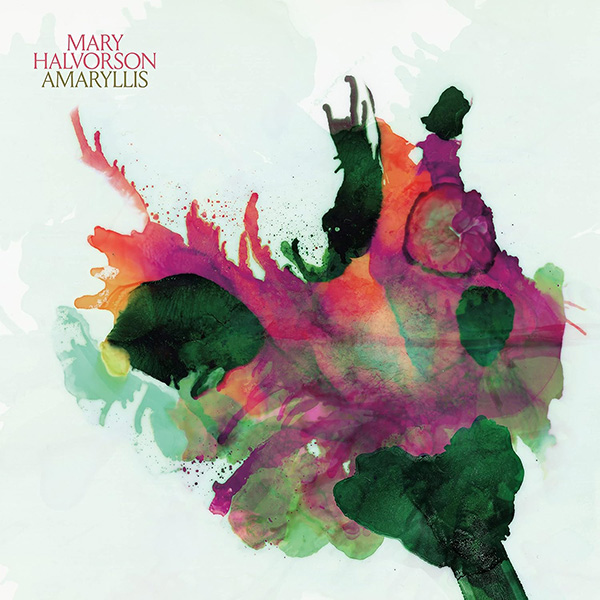 Mary Halvorson: Amaryllis
Mary Halvorson, guitar; Adam O'Farrill, trumpet; Jacob Garchik, trombone; Patricia Brennan, vibraphone; Nick Dunston, bass; Tomas Fujiwara, drums; Olivia De Prato, Maya Bennardo, violins; Victor Lowrie Tafoya, viola; Thomas J. Borden, cello
Nonesuch 7559791273 (CD). 2022. John Dietrich, prod.; Chris Allen, Scott Hull, engs. Who says jazz is dead? Not Mary Halvorson, a former Anthony Braxton pupil who has reset the parameters of the avant-garde. A far cry from the screechy free jazz of the late 1960s, her sophisticated compositions blend dissonance and consonance, avant-jazz, alt-rock, and classical "new music" in elegant structures that leave room for brash solos, including Halvorson's own spiky, spacey musings. A good example is the title track (also the name of the sextet), which proceeds from an eccentrically stately brass theme to truculent trumpet and slithery guitar solos over furious drumming. The addition of the Mivos String Quartet on the final three tracks gives the music an orchestral dimension.
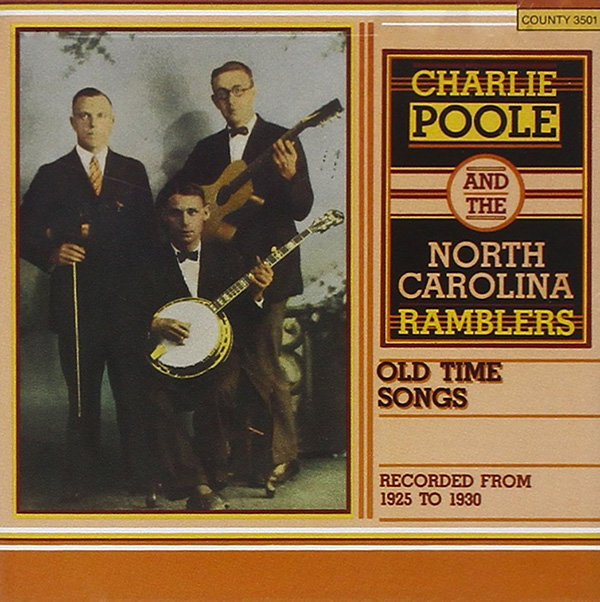 Charlie Poole and the North Carolina Ramblers: Old Time Songs Recorded From 1925–1930
County CO-3501 (CD). 1993. Gary B. Reid, prod.; Rich Nevins, David Glasser, many others, engs.
Phil Brett
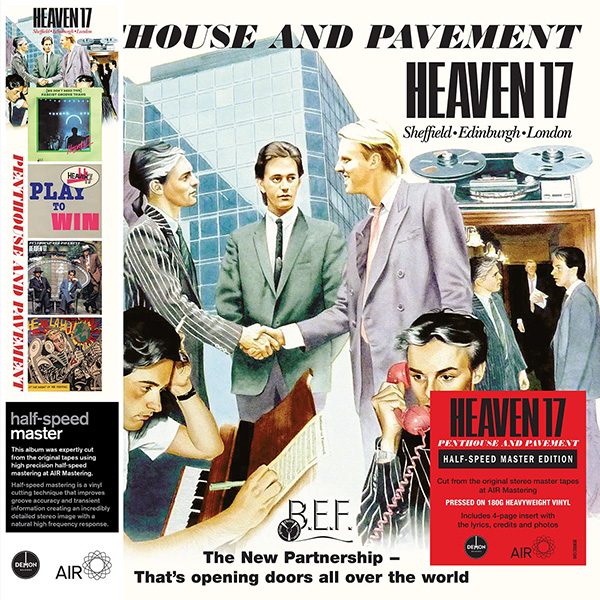 Heaven 17: Penthouse And Pavement
Demon Records DEMREC372 (LP). British Electric Foundation, prod.; Peter Walsh, Steve Rance, engs. Out of the ashes of the first Human League sprung Heaven 17 with their 1981 debut Penthouse and Pavement. Unlike many of their Brit synth-pop peers, they mixed Giorgio Moroder–influenced dance tracks with political content, including the first song they ever wrote, the anthemic "(We Don't Need This) Fascist Groove Thang." Not to worry: It isn't all BBC news set to a Linn LM-1 drum machine; "Geisha Boys and Temple Girls" tells about a trio of working-class Sheffield lads clubbing in dresses and gold Doc Martens boots. The eclectic mixiswhatmakesP&Pso exhilarating.
 Saint Etienne: International
Heavenly HVNLP240 (LP). 2025. Various, prods.; Various, engs. English trio Saint Etienne has been releasing cracking albums since 1991. Their sound has changed over the years, but the basis of it has remained the same: dreamy electronic dance-tinged pop. Their previous two albums all but dispensed with individual songs, but with International, their goodbye album, they return to catchy ephemeral pop tunes. Each one could be a single. Sarah Cracknell's voice floats over the music with clarity and purity, like a time traveler from the 1960s, her finger-snapping cool transported forward to modern dance. International finishes the Saint Etienne trip with a classic. It's one of the best releases of 2025. Destination reached.
Ray Chelstowski
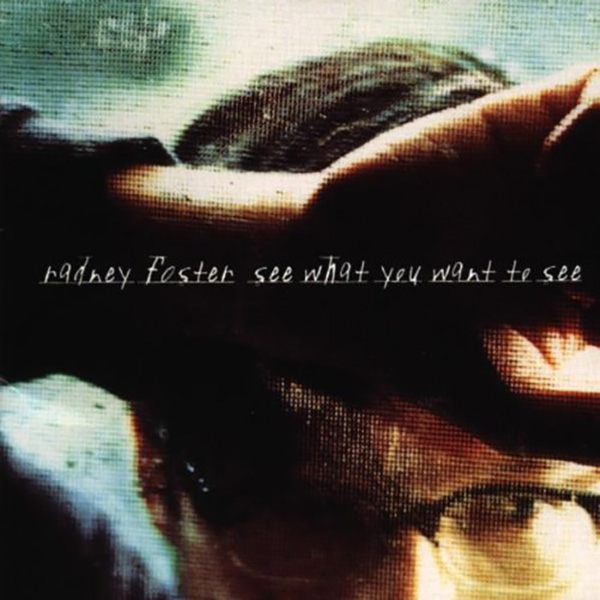 Radney Foster: See What You Want To See
Arista Austin ARADV-18833-2 (CD). 1999. Darrell Brown, prod.; Tye Bellar, Niko Bolas, Sam Hewitt, Mike Poole, engs. Radney Foster's third solo album—his last release for Arista—marks a shift away from the pop-country polish of his earlier work toward a more mature, Americana-driven sound he's been refining ever since. The songs explore the fragile balance of finding new love later in life while still glancing back at the wreckage of a relationship undone by one's own missteps. It's a moving blend of hope and regret delivered through Foster's signature craftsmanship: multiple bridges, soaring choruses, chiming guitars, and upfront drums that snap crisply throughout. The record benefits from an impressive slate of guests, including Darius Rucker, Abra Moore, and Emmylou Harris. Its standout tracks—"I'm In" and "Godspeed (Sweet Dreams)"—became modern standards, reinterpreted later by artists including Keith Urban and the Dixie Chicks.
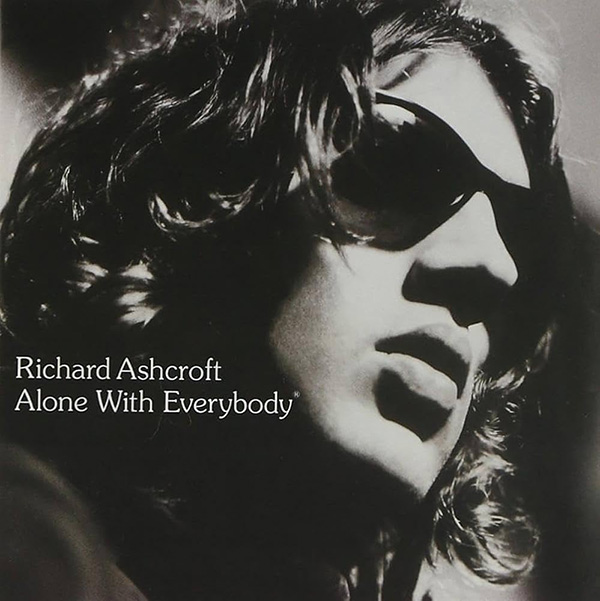 Richard Ashcroft: Alone With Everybody
Virgin Records 7243 8 49494 2 6 (CD). 2000. Chris Potter, Richard Ashcroft, prods.; Lorraine Francis, Rico Petrillo, engs. Recorded at London's Olympic and Metropolis Studios, this is a big, bold, frequently beautiful debut that plays to all of Richard Ashcroft's strengths. The album shifts confidently between sweeping, orchestral, and cinematic arrangements with lush strings; warm, acoustic country-folk moments colored by pedal steel; and darker, more psychedelic grooves that echo his work with The Verve while carving out a more personal space. Ashcroft anchors all this with memorable hooks, bright choruses, and rhythms subtly shaped by the dance music he's always been drawn to. Highlights include the brass-fueled "Money to Burn," the tender ballad "Slow Was My Heart," the charging "C'mon People (We're Making It Now)," and the reflective, string-draped "You on My Mind in My Sleep."
Thomas Conrad
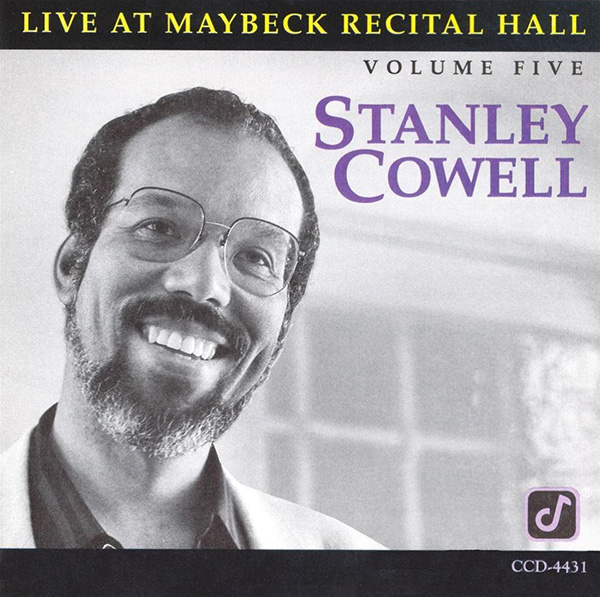 Stanley Cowell: Live At Maybeck Recital Hall, Vol.5
Cowell, piano
Concord Jazz CCD-4431 (CD). 1990. Nick Phillips, prod.; Ron Davis, eng. For us solo piano junkies, the Maybeck Recital Hall in Berkeley, California, was hallowed ground. From 1989 to 1995, the Concord label recorded 42 pianists, including Stanley Cowell, in the small, acoustically sublime space. Cowell never got truly famous, but he had ridiculous chops and enormous historical reach. His night in Maybeck was rampant piano extravagance: cascading runs extending far beyond the song; convoluted counterlines; complex chord substitutions; daring embellishments. He opened the floodgates on "Jitterbug Waltz" and spilled it torrentially. He inundated J. J. Johnson's "Lament" using his left hand only. What was fun about this solo piano series was that in Maybeck, if you had it, you flaunted it.
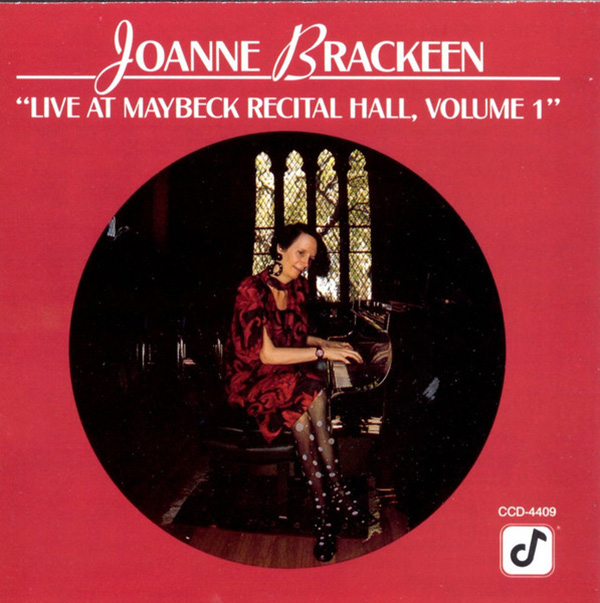 Joanne Brackeen: Live At Maybeck Recital Hall, Vol.1
Brackeen, piano
Concord Jazz CCD-4409 (CD). 1990. Nick Phillips, prod.; Ron Davis, eng. The marvelous Maybeck solo piano series began here. Today, Joanne Brackeen is still playing her ass off. In 1989, at the age of 60, she already reigned supreme over the keyboard. Whereas the piano activity on some Maybeck recordings, like, say, Stanley Cowell's Vol.5, is a wild, surging river, Brackeen's set is a controlled, purposeful rising tide that lifts all boats. Not that she lacks nerve: She turns "My Foolish Heart," that most wistful of love songs, into something huge and orchestral. Not that she lacks romanticism: "It Could Happen to You" communicates passion through flourishes that fit within Brackeen's elegant sense of form.