Michael Trei
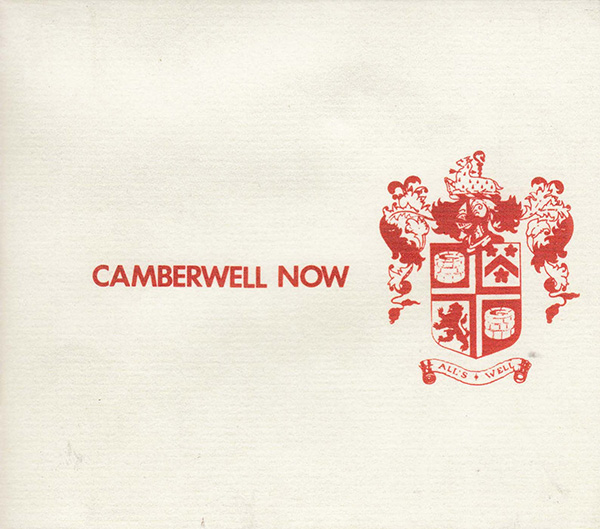 The Camberwell Now: All's Well
ReR Megacorp DUP0022 (CD). 1992. The Camberwell Now, prod.; Keith Hancock, Barry Woodward, Dave Bernez, The Camberwell Now, engs.
Born from the ashes of the London-based experimental avant-prog band This Heat, The Camberwell Now was a trio, formed by This Heat drummer and lead singer Charles Hayward, the band's final bass player, Trefor Goronwy, and its sound engineer, Stephen Rickard. Rickard's "tape switchboard" was a cross between a sampler and a Mellotron created by connecting a stack of cassette decks to a keyboard that would advance the tape and unmute tape tracks with prerecorded atmospheric sounds. It is at once exciting and introspective, with intellectually challenging lyrics by Hayward.
All's Well collects all but one of the 16 tracks The Camberwell Now recorded in their brief existence.
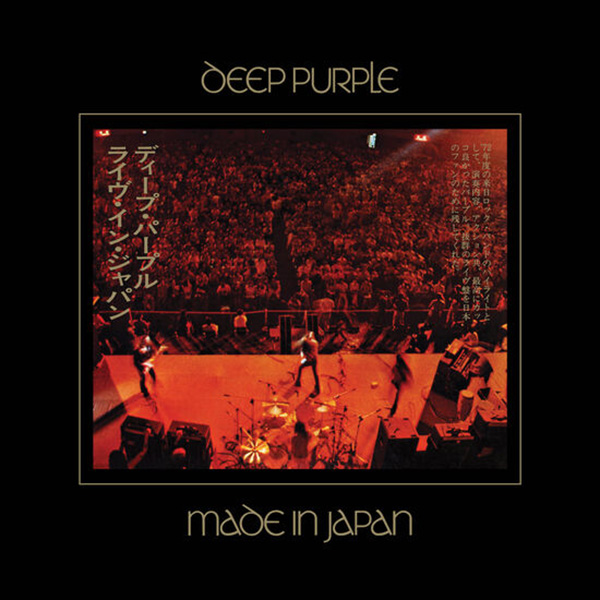 Deep Purple: Made In Japan
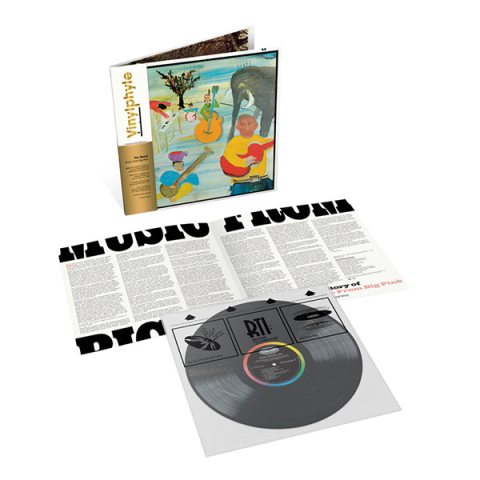
Warner Records 603497819041/7583236 (LP). 1972/2025. Deep Purple, prod.; Martin Birch, eng. (1972), Steven Wilson (2025), eng.
In early 1973, my 11-year-old self went with a couple of friends to see my first big arena rock show, Deep Purple in their classic Mk2 lineup. Ten days later, the double live album
Made in Japan was released in the US; as its name suggests, it was recorded in Japan. The record became a souvenir of that early live experience, and I proceeded to wear it into vinyl dust on the family record player.
Steven Wilson has stirred up some controversy with his remixes of classic rock albums, but this Wilson's remix brings out the punch and rawness of the band's live sound, which can only be a good thing. Besides, I don't hold a precious attitude about tweaking an original work. There's a plethora of repackages of this material, so look for the catalog number above for the Wilson remix on vinyl.
Rogier van Bakel
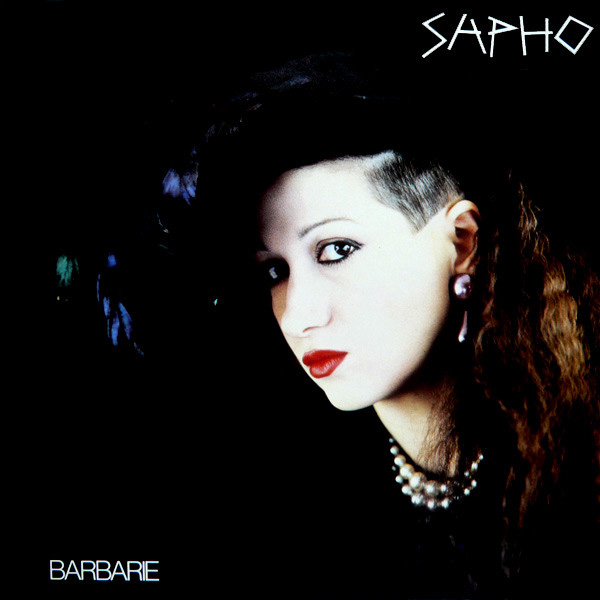 Sapho: Barbarie
RCA PL37783 (LP). 1983. Claude Dejacques, prod.; Michel Olivier, eng.
Sapho, a French poet and performer who hails from Marrakesh, Morocco, didn't follow the Paris scene so much as bend it into new shapes, drawing on chanson, café-theater, punk, and Arabic scales.
The songs are off-kilter, hypnotic, and rarely fully developed. Arrangements move between synth shimmer and Berber mirage, laced with North African percussion and wily woodwinds (like a bassoon and an oboe) that often circle each other with nervous energy. Sapho recites Rimbaud like she's inhaled him—less artsy affect than fever-dream incantation.
Sadly, the production doesn't serve her vision. It's thin, tentative, unsure how to capture all this furious color. A remaster is overdue. Still,
Barbarie brims with invention and nerve. Picture Sade tripping and testifying on shrooms, or Oum Kalthoum whispering in your ear, kohl smudged, as the City of Lights sweats around you.
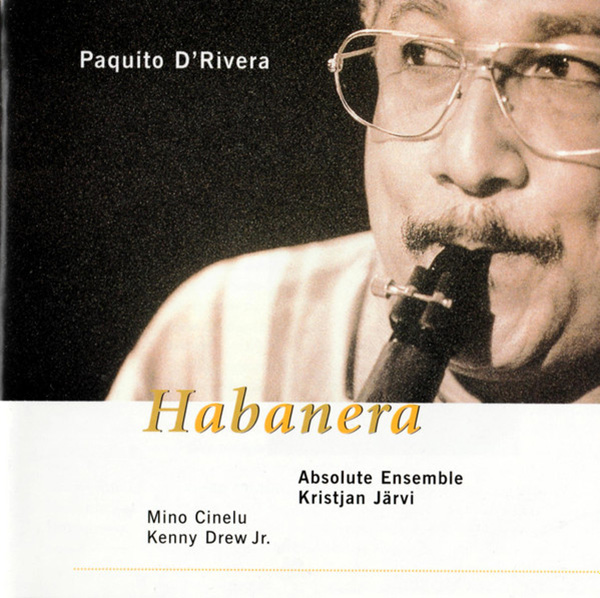 Paquito D'Rivera: Habanera
Paquito D'Rivera, alto saxophone, clarinet; Michael Formanek, bass; David Taylor, bass trombone; Clarence Penn, drums; Mino Cinélu, percussion; Kenny Drew Jr., piano; Absolute Ensemble, Kristjan Järvi, cond.
Enja Records ENJ-9395 2 (CD). 2000. Daniel Schnyder, prod.
I've long loved prolific Cuban clarinetist Paquito D'Rivera's albums
Tropicana Nights and especially
Portraits of Cuba, with their big-band sound that nails the ambience of a packed jazz club.
Habanera, the ultimate gem in D'Rivera's catalog, is a different kettle of snapper: It has, of all things, an undeniable chamber-music polish. Instead of leaning on improvisation, the album sports complex but joyous arrangements that reveal D'Rivera's classical instincts—he has recorded four albums with Yo-Yo Ma—and his Afro-Cuban roots. The intimacy of a small classical ensemble pairs beautifully with the harmonic color and rhythmic currents of Cuban music, like a watercolor wash brightened by sudden strokes of tropical hues.
The intimate studio sonics are just about exemplary, but that wouldn't mean much without the bursting-with-bliss performances that highlight D'Rivera's virtuosity and bring his composerly side to the fore. After a thousand plays, I never tire of hearing this masterclass of a disc.
Stephen Francis Vasta
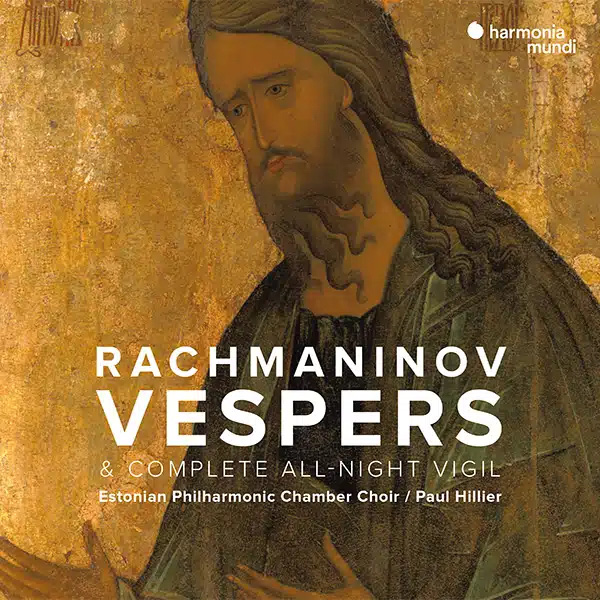 Rachmaninoff: Vespers (All-Night Vigil)
Estonian Philharmonic Chamber Choir/Paul Hillier
Harmonia Mundi HMU 907384 (CD), 2008. Robina G. Young, prod.; Brad Michel, eng.
Paul Hillier applies his Earlye Musicke aesthetic to Rachmaninoff's
Vespers—more properly, the
All-Night Vigil, which includes the
Vespers—with salutary results. He gets his chorus to sing with keen definition and unusual rhythmic lightness; for the first time, I could hear the lilt of Russian folksong along with a reverent, resonant blend. The ensemble's "Russian" basses, while uningratiating when exposed, provide the requisite
profundo foundation for the "chamber" choir's full-bodied sonority. This one immediately goes to the top of my list.
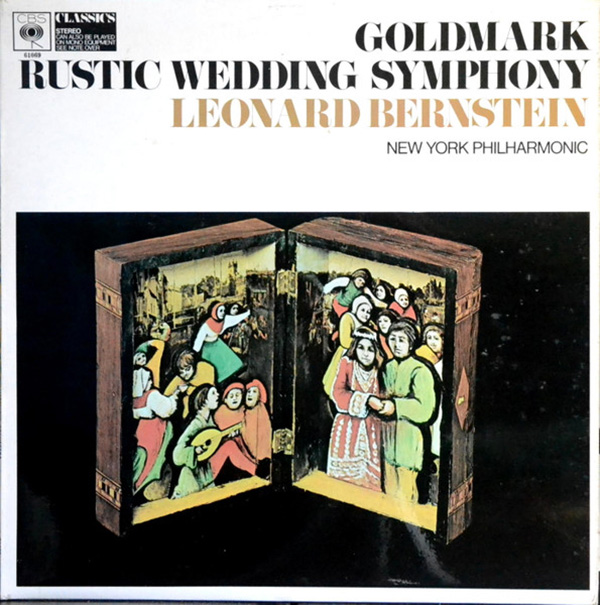 Goldmark: Rustic Wedding Symphony
New York Philharmonic/Leonard Bernstein
Columbia MS 7261 (LP). 1968. Thomas Z. Shepard, prod.; Fred Plaut, Ed Michalski, engs.
This is more suite than symphony, and it looks like an unlikely choice, but hear me out. I've owned this disc since college, and I revisited it after a long absence to compare it with Frank Beermann's more recent version on CPO. That newer one, like most renditions of the piece, is pretty and ingratiating, but Bernstein's magic elevates the score, with vivid orchestral colors, layered textures, distinctive phrasings, and deeply felt expression—it acquires true "symphonic" stature. Thirty-plus years on, it's a salutary reminder of Bernstein's genius.