Mike Mettler
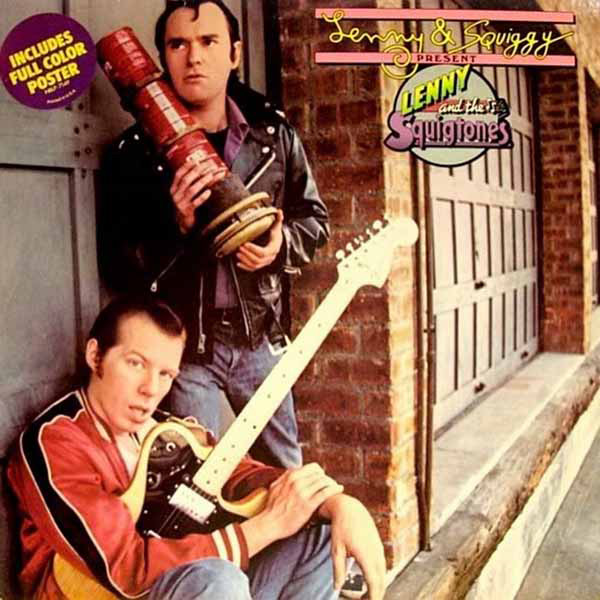 Lenny & The Squigtones: Lenny & Squiggy Present Lenny And The Squigtones
Casablanca NBLP 7149 (LP). 1979. Hank Medress, Dave Appell, prods.; Wayne Tarnowski, Bob Mocklar, Stewart Whitmor, engs. Don't laugh: Nascent TV comedy duo Lenny & Squiggy of Laverne & Shirley fame closed out the 1970s by dropping a wink-nudge live-album homage to '50s harmonies and FM rock tropes that presaged how a certain faux-British outfit ascended to unforeseen metal-mockumentary heights five years later in This Is Spinal Tap. Analog formats are currently the only way to hear how Lenny (Michael McKean, soon to embody David St. Hubbins) and Squiggy (David L. Lander, on vocals and "Squigophone") extol their doo-wop-laden laments about being "Starcrossed." One of the Squigtones—a young(ish) Nigel Tufnel (of Spinal Tap fame)—cradles a choice Les Paul on the inner sleeve.
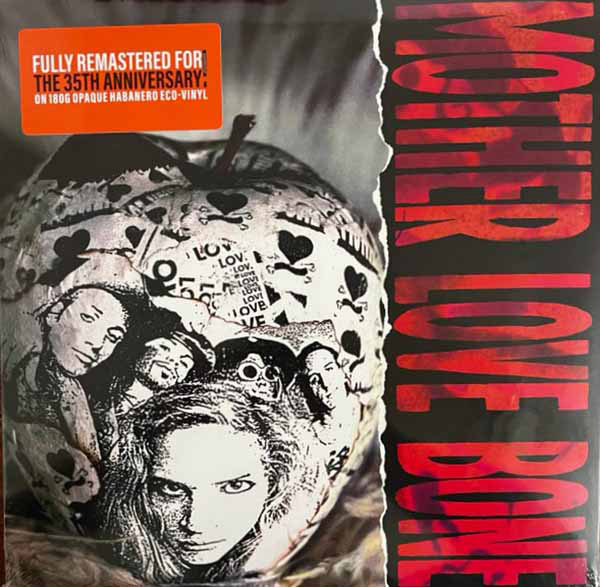 Mother Love Bone: Apple
Mercury/UMe 00602478357534 (LP). 1990/2025. Terry Date, Mother Love Bone, prods.; Tim Palmer, mixing; Michael Goldstone, asst. eng.
Ken Micallef
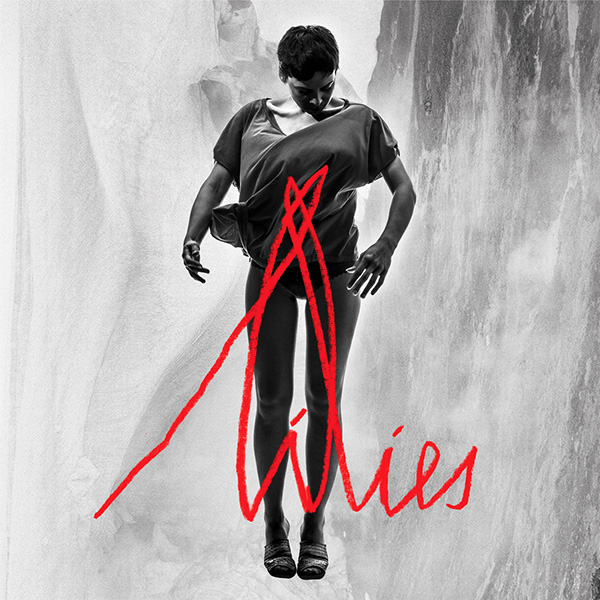 Melanie De Biasio: Lilies
Melanie De Biasio, compositions, vocals, vocal beats, guitar piano; Pascal Paulus, keyboards, drums, piano; Dré Pallemaerts, drums; Pascal Mohy, piano
Le Label/Play It Again Sam (LP). 2017. Melanie De Biasio, Pascal Paulus, prod., John Marks, mastering. Belgian vocalist, composer, and flutist Melanie De Biasio is a conjurer of murmured sounds and mysterious atmospheres. Her luxurious music is intimate and anthemic in equal parts, like the good/wicked witch whispering warnings into opposite ears. On 2017's Lilies, De Biasio's smoky vocals and searing vision are bathed in brushed drums, gentle piano, and rousing acoustic bass. The music exerts a subterranean pull toward some darker place. In "Let Me Love You," crisscrossing polyrhythms drive urgent cries against stark piano chords. De Biasio adds lyrics to Mongo Santamaria's "Afro Blue"; her questioning vocal rises above glowing piano chords. The liner notes mention "the urge to surrender to sound, at home, intimately." The sound is humid, close, and direct.
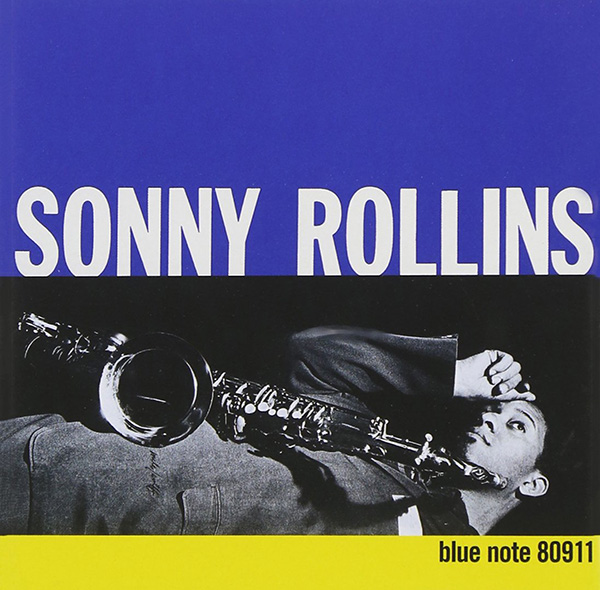 Sonny Rollins: Volume 1
Sonny Rollins, tenor saxophone; Donald Byrd, trumpet; Wynton Kelly, piano; Gene Ramey, bass; Max Roach, drums
Blue Note BLP 1542 (LP). 1957. Alfred Lion, prod.; Rudy Van Gelder, eng. Barely 27, already with a string of solid Prestige albums behind him, Sonny Rollins made a record that, while it may have had a routine title, qualifies as one of the numerous masterpieces of the great tenor player, who is now 95 years old. Recorded in the same year as the heralded, corny Way Out West, Volume 1 shows Rollins at one of many zeniths. Opener "Decision" builds from an arid, medium-tempo swing beat. Solos by Byrd and Roach are beautifully organized and well-recorded. Rollins's solo covers everything all at once: spiraling heaves, bluesy shouts, and in one section, a flurry of 16th notes that spin and shake like a hiccupping hard drive, which hadn't been invented yet. The rest of Volume 1 is just as masterful: a buoyantly dancelike reading of Rollins's "Plain Jane"; the fast-paced "Sonnysphere"; a sizzling "Bluesnote"; and this album's entry for Rollins's love of kitsch, "How Are Things in Glocca Morra?"
Julie Mullins
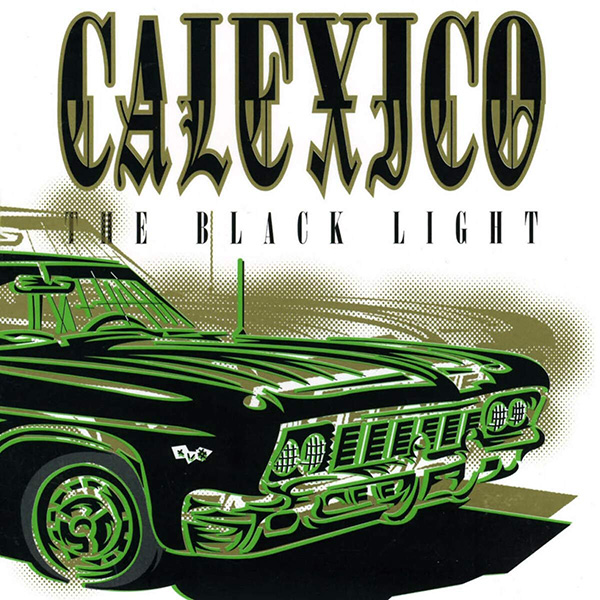 Calexico: The Black Light (20th Anniversary Limited Edition)
City Slang SLANG50166LTD, Quarterstick Records QS152LP-C1 (LP). 2018. Joey Burns, John Convertino, prods.; Craig Schumacher, Nick Luca, engs.
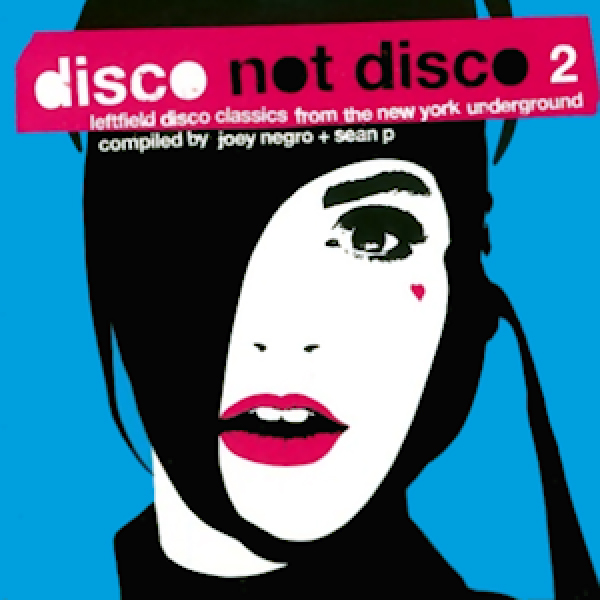 Disco Not Disco 2: Leftfield Disco Classics From The New York Underground
Strut STRUTLP 020 (2 LP). Also: STRUTCD 020 (CD). 2002. Compiled by Joey Negro aka Dave Lee, Sean P.; Duncan Cowell, mastering. This was the only CD I've ever broken. It slid out of its case and onto the floor of my car and I stepped on it and cracked it in half. I replaced it with a vinyl copy, a two-LP gatefold with fine-print notes credited to Sean P. and Quinton Scott. The title is apt. The first and final tracks, the Danish group Laid Back's "White Horse" and The Clash's "This Is Radio Clash," are the most familiar cuts. In between is an international odyssey through deep-cut early EDM, electroclash, and pioneering synth, sampling, and sequencing action. There's also soul, funk, krautrock, and post-punk plus some searing electric guitar effects, as on Material's "Ciguri." Some of these leftfield tracks influenced music across genres for decades to come, or even spawned completely new ones. For me, it sparked a short, frenzied foray into nonboring dance music.
Dan Oullette
 Nik Bärtsch's Ronin: Spin
Nik Bärtsch, piano, keyboard; Sha, bass clarinet, alto saxophone; Jeremias Keller, bass; Kaspar Rast, drums
Ronin Rhythm Records (CD). 2024. Nik Bärtsch, prod.; Lars Dölle, mixing; André Pousaz, mastering. Nik Bärtsch founded his working band Ronin in 2001; ever since, he has continually explored what he calls his "Ritual Groove Music." Last year's album was Spin, the group's ninth electroacoustic album of stimulating, shapeshifting jazz that conjures up a mystical, mercurial, kinetic freedom. Ronin plays like a community; the tracks (named "Modul" with a specifying number) are refined and reshaped every Monday at EXIL, the band's own club in its home base, Zurich, Switzerland.
 Joe Henry: Scar
Joe Henry, guitar, keyboards, percussion, vocals; Brad Mehldau, piano, organ; Marc Ribot, guitar; Ornette Coleman, alto saxophone; MeShell Ndegeocello, bass; Dave Piltch, bass; Brian Blade, drums; others
Mammoth Records (CD). 2001. Joe Henry, Craig Street, prods.; S. "Husky" Höskulds, engineer, mixer. Best known as a thriving Americana singer and songsmith with eclectic music tastes, Joe Henry is a student of many genres. He collaborated with Don Cherry and T Bone Burnett on his 1990 release Shuffletown. He produced the Elvis Costello/Allen Toussaint album The River in Reverse as well as bluesman Solomon Burke's 2002 comeback Don't Give Up on Me. But it was 2001 when he released his masterpiece pop/rock outing, Scar, collaboratively produced with Craig Street. Henry scored a rare coup when he enlisted heroic avant-jazz alto saxophonist Ornette Coleman to dissonantly weep and blow with ferocity on the poignant leadoff track, "Richard Pryor Addresses a Tearful Nation." Henry brought a terrific support team of other jazz stars, including guitarist Marc Ribot, pianist Brad Mehldau, bassist MeShell Ndegeocello, and drummer Brian Blade. Key tracks are the hip instrumental "Nico Lost One Small Buddha," the rocker "Edgar Bergen," and a grooving take on the catchy "Stop," which turned into a new pop standard when his sister-in-law Madonna recorded her own version.