Andrey Henkin
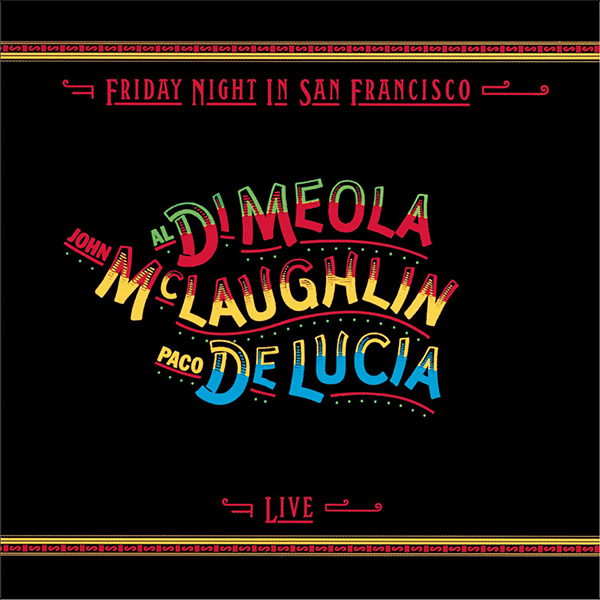 Al Di Meola/John McLaughlin/Paco de Lucía: Friday Night In San Francisco
Di Meola, McLaughlin, de Lucía, guitars
Columbia FC 37152 (LP). 1981. Barrie Marshall, Philip Roberge, prods.; Rex Olson, Tim Pinch, Ray Bardani, engs. If concerts had traffic stops, Al Di Meola, John McLaughlin, and Paco de Lucía would have been pulled over for breaking the California speed limit during this December 5, 1980, performance. No one should be able to play an acoustic guitar this fast and articulately while creating such transcendent music, even quoting The Pink Panther theme for fun. There are three duets based on music by the three principals, Chick Corea, and Egberto Gismonti. The set closes majestically with all three on Di Meola's Fantasia Suite. This is the all-acoustic set that shut the door on quality electric fusion.
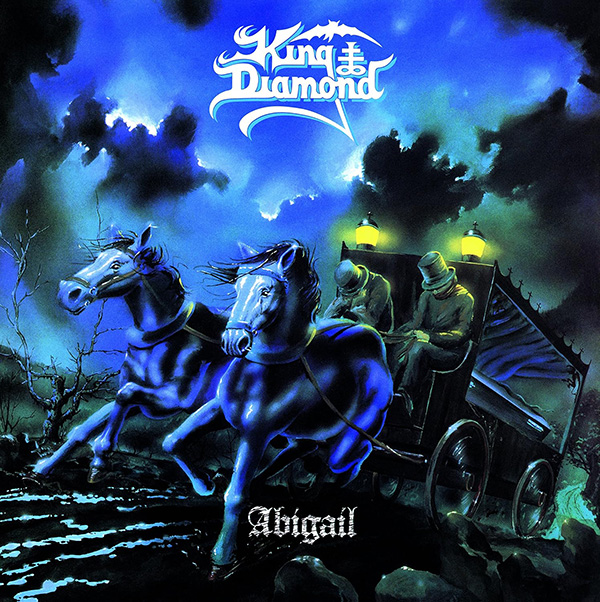 King Diamond: Abigail
Roadrunner RR 9622 (LP). 1987. King Diamond, Michael Denner, Mikkey Dee, prods.; Roberto Johansson, eng.
Mark Henninger
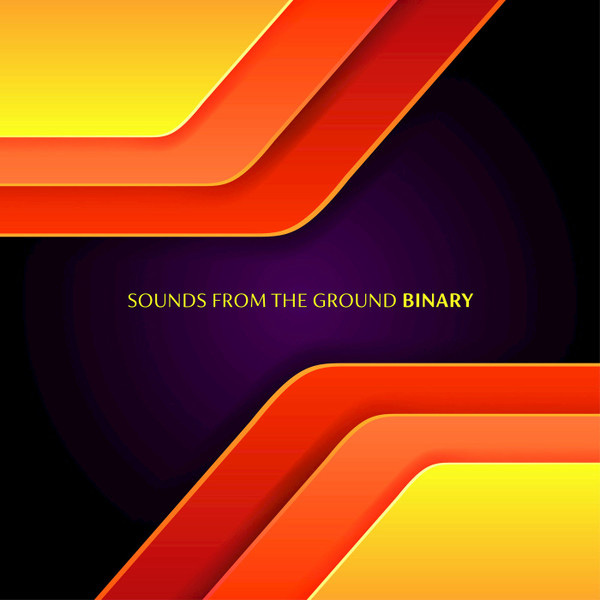 Sounds From The Ground: Binary
Upstream Records UP0017 (DL). 2019. Sounds From the Ground, prods.; Sounds From the Ground, engs. Binary is a downtempo dub album that has become my morning soundtrack. It's a ritual. Most mornings, I cue it up with coffee and let all nine tracks play straight through. Binary is mixed for sonic immersion: deep, unhurried grooves, bass that blooms, and layered on top, melodies that take their time coming into focus. "Blaze Mountain" opens with spacious ambient-dub atmospheres, setting the chillaxing tone that's maintained throughout. The mix makes good use of a proper hi-fi, even when it's playing quietly, but nothing feels overworked. Binary is a digital-only release that sounds silky, smooth, and luxurious. By the time the sublime "Anniesland" eases out, I'm reset and ready for the day.
 Negativland: Dispepsi
Seeland 017CD (CD). 1997. Negativland, prods., engs. Dispepsi is the Negativland CD I play whenever I'm feeling cynical about commercialism. It's humorous and thought provoking. On the surface, it's almost approachable: real songs with a chorus you can hum. Underneath, it's a dense collage of soda jingles, talk-radio clips, and weaponized ad copy—in other words, classic Negativland. Sample edits are razor sharp. A never-ending montage of jokes and slogans flashes past so quickly that it verges on psychedelic, even when you're sober. What keeps Dispepsi grounded is how musical it is. Top-notch production, catchy bass lines, and memorable riffs glue the chaos together.
Anne E. Johnson
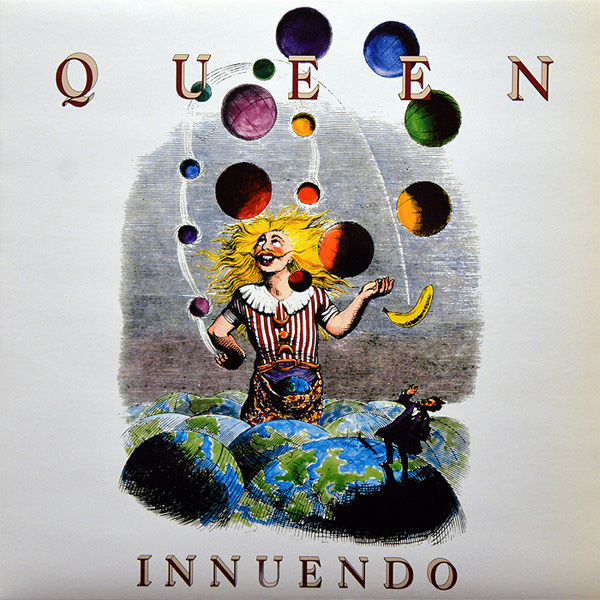 Queen: Innuendo
Parlophone Records CDP 79 5887 2. 1991. David Richards and Queen, prods.; David Richards, Justin Shirley-Smith, Noel Harris, Kevin Metcalfe, engs. Queen made its 14th album, Innuendo, at Mountain Studios in Montreux, Switzerland. The beautiful, quiet town was a solace to Freddie Mercury, who was very ill with AIDS. He died less than a year after the album's release.
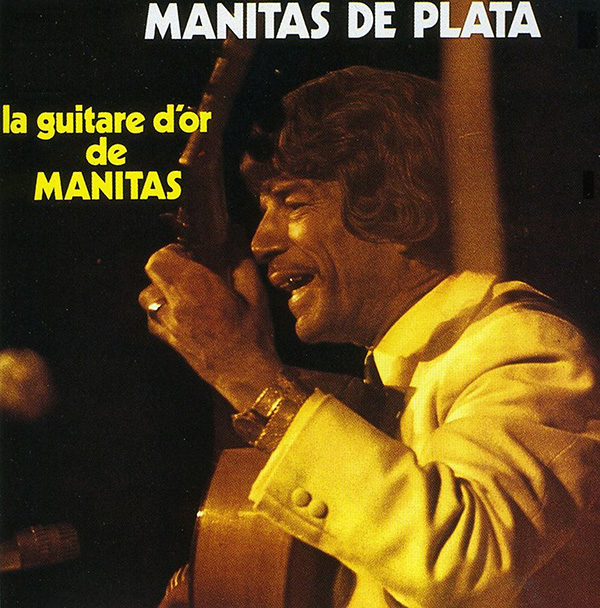 Manitas de Plata: La Guitare d'or de Manitas
CBS FS 721 (LP). 1969. Ariane Ségal, Lucien Clergue, prods.; Claude Morel, eng
Sasha Matson
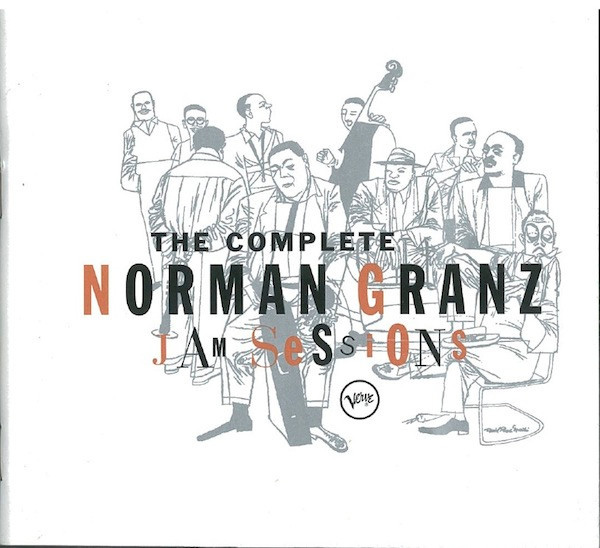 The Complete Norman Granz Jam Sessions
Count Basie, Bennie Carter, Stan Getz, Dizzy Gillespie, Charlie Parker, others
Verve Records B0003252-02 QS01 (CD). 2004. Norman Granz, prod.
 Debussy: La Mer (The Sea)
Ibert: Escales (Ports of Call)
Boston Symphony Orchestra, Charles Munch, cond.
RCA Victor Red Seal/Analogue Productions AAPC 2111 (LP). 1957/2015. Ryan K. Smith, eng. This great 1957 Living Stereo album has seemingly been with us forever, but it has never sounded better than on the remastered 2015 180gm vinyl pressing from Chad Kassem's Analogue Productions crew. There are hundreds of recordings of La Mer—it was Debussy's masterpiece, after all—but if there is a better performance than Munch and the BSO's, I'm not aware of it. The B-side with Ibert's Ports of Call is definitive, too. The sound on the LP is truly demo-level. Huge dynamic shifts, spectacular soundstaging and textures—this album has it all. I only recently acquired this state-of-the-art LP. You should have a copy, too. Live a little.