Herb Reichert
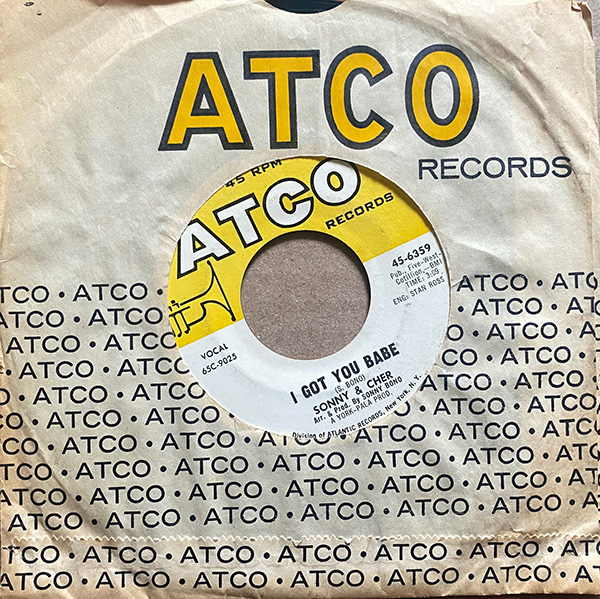 Sonny & Cher: "I Got You Babe"
Atco Records AT.4035 (7" single). 1965. Sonny Bono, prod.; Stan Ross, eng. I promise you, whatever age you are now, your lifeforce will be greater after you've heard Sonny Bono sing Put your little hand in mine / There ain't no hill or mountain we can't climb. Bill Voss of Technics played Sonny and Cher's "I Got You Babe" from a 12" Greatest Hits disc, and it earwormed its way into the next month of my life. When I got home from the show, I bought a VG+ version of the single on eBay for $11.95, and every time I see it, I play it three times in a row.
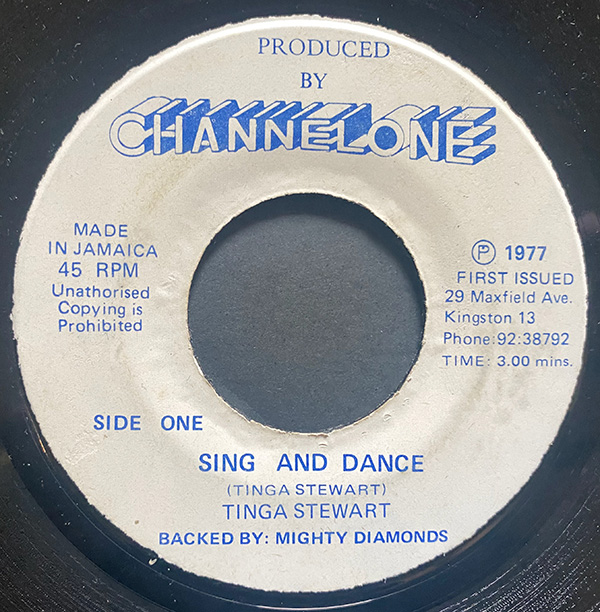 Tinga Stewart (with The Mighty Diamonds): "Sing And Dance"
Channel One Records (no catalog number). (7" single). 1977. Joseph Hookumb, prod.
Kalman Rubinson
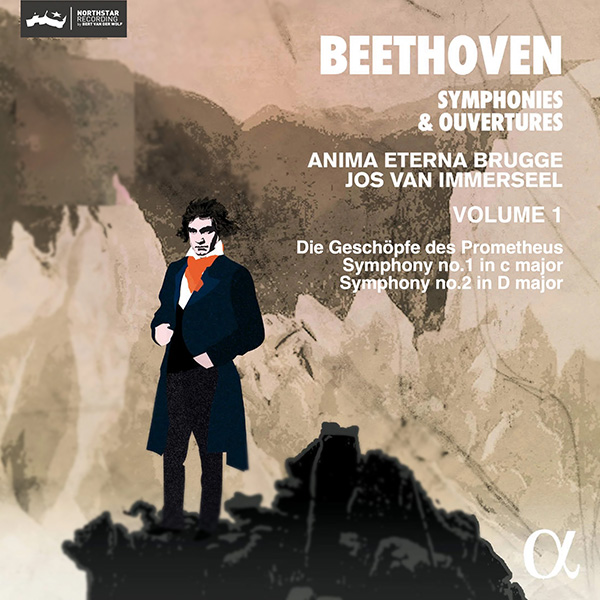 Beethoven: Symphonies and Overtures
Anima Eterna Brugge; Jos van Immerseel, cond. Alpha Classics 3803 (6 downloads; auditioned in 5.1 24/352.8 PCM). 2023. Bert van der Wolf, DXD remastering. These recordings were originally released in 2008 as Zig Zag ZZT080402.6 and were very well received. In 2023, the set was remastered in DXD by Bert van der Wolf of Northstar. The result stands out for the vigor of the performances and the brilliance of the recording. These are historically aware performances. The orchestra is not large, but it has appropriate weight, and the pitch is modern: A=440. Immerseel favors tempos that are brisk but not rushed and wide dynamics, yet andantes and moderatos are sensibly observed. The multichannel remastering is remarkably transparent and detailed. The individual orchestral sections are distinct in character and placement. The listener sits in the front of the parquet. This provides recurrent thrills and allows the listener to appreciate the intricate interplay between the upper and lower strings, and to hear the horns, trumpet, and trombone pop up from behind the winds and strings. It is addictive.
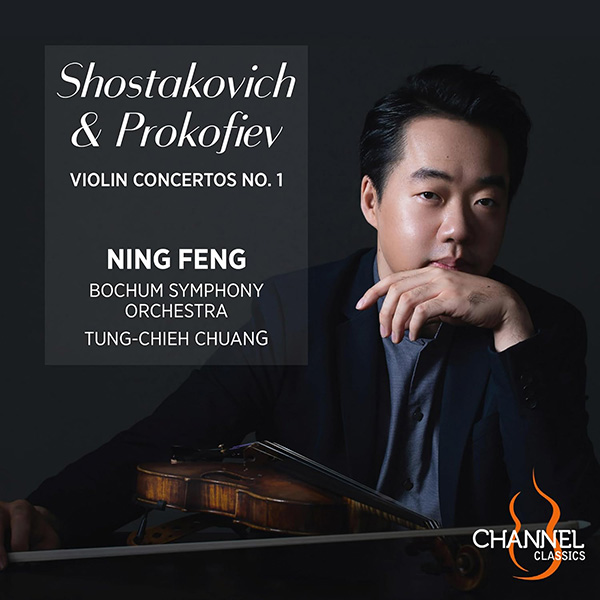 Prokofiev: Violin Concerto No.1, Op.19
Shostakovich: Violin Concerto No.1, Op.77
Ning Feng, violin; Bochum Symphony Orchestra, Tung-Chieh Chuang, cond.
Channel Classics CCS 45924 (CD; auditioned via a 5.0 channel, DSD256 download from NativeDSD). 2024. Jared Sacks, prod. eng., prod. mastering.
Robert Schryer
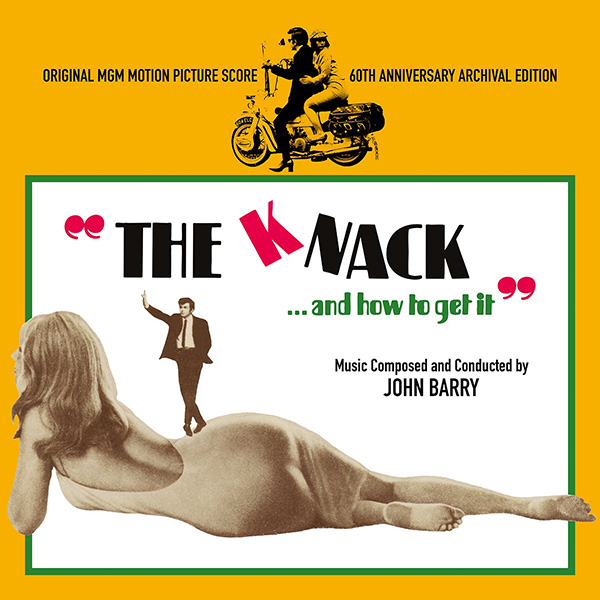 John Barry: The Knack ... And How To Get It (Original Motion Picture Soundtrack) 60th Anniversary Archival Edition
Composed and conducted by John Barry. Alan Haven, organ and primary artist
Quartet Records QR577 (CD). 1965/2025. Bunny Lewis, Chris Malone, Jose M. Benitez, prods.; Eric Tomlinson, Chris Malone, engs. The 1965 film The Knack ... and How to Get It is a fun romp through Swingin' London that radiates fresh optimism. So is the film's soundtrack. Composed by John Barry, who would become famous for his James Bond scores, the music has a jazz heart inside a classical-music shell. It features a procession of strings, trumpet, xylophone, female vocals, and—predominantly—organ. The music is lively, inventive, and catchy. But what's most remarkable is the sound quality—on half this release. Why only half? Of the album's 21 tracks, clocking in at nearly an hour, the 11 that comprise the original movie soundtrack have been remastered in stunning sound; this may be the most transparent sonics I've heard on record. The remaining 10 tracks are mono "film versions" of those found on the soundtrack plus two remastered bonus tracks. This is a rare find: a recording worthy of being a test disc that you'll actually want to listen to.
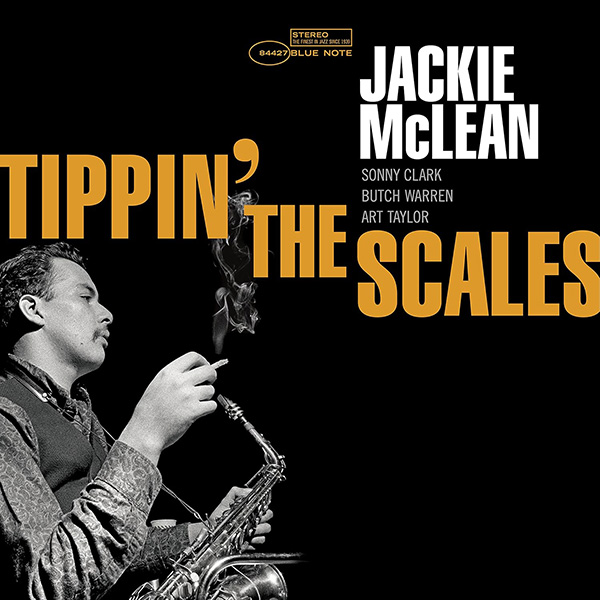 Jackie Mclean: Tippin' The Scales
Jackie McLean, alto sax; Sonny Clark, piano; Butch Warren, bass; Art Taylor, drums
Blue Note B0033313-01 (LP). 1984/2021. Rudy Van Gelder, eng.; Alfred Lion, prod.; Kevin Gray, remastering. Jackie McLean's Tippin' the Scales, recorded in 1962 but not released until 1979 on Japanese Blue Note and not in the US until 1984, is a suave, cool, breezy concoction of smoldering melodies, memorable vamps, and top-notch musicianship. While the musical emphasis leans more toward melody and lyricism than furtive, free-jazz exploration, all the solos brim with creativity, emotional expression, and masterful technique. It's clear Jackie was aiming for a rich, textured sax tone, and he reached it, thanks to his own talent, Rudy Van Gelder's recording, and Kevin Gray's "Tone Poet" remastering.
Jason Victor Serinus
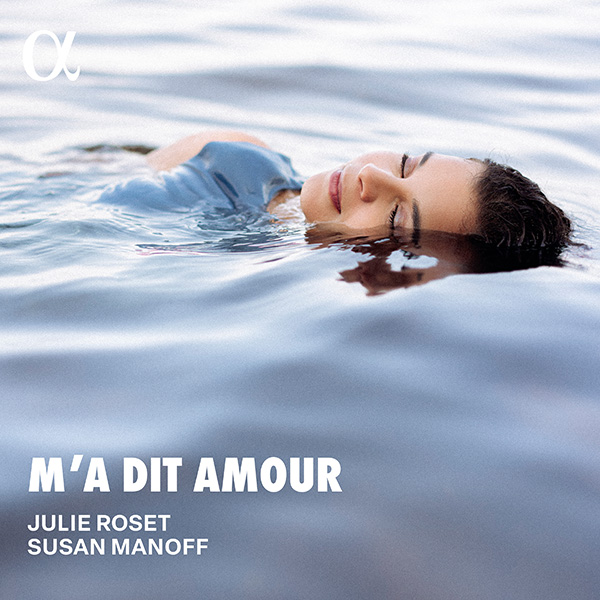 Julie Roset: M'a dit amour
Julie Roset, soprano; Susan Manoff, piano
Alpha 1189 (CD and 24/96 download). 2025. Martin Sauer, prod.; Jupp Wegner, eng.
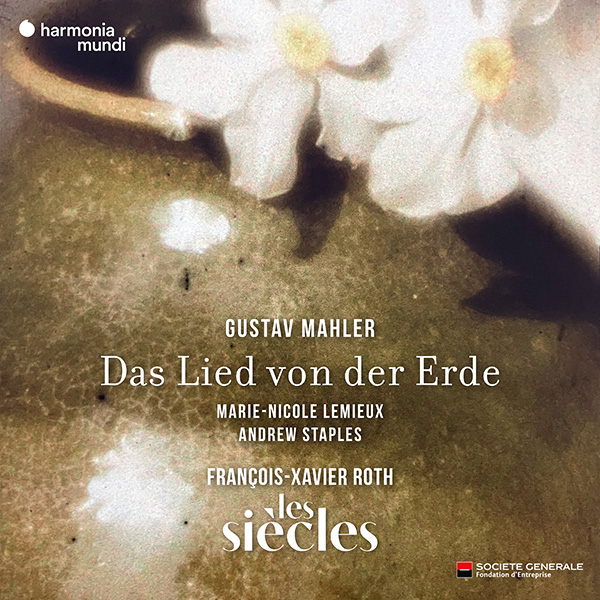 Mahler: Das Lied von der Erde
Marie-Nicole Lemieux, Andrew Staples, Les Siècles/Francçois-Xavier Roth, cond.
Harmonia Mundi HMM 902740 (CD and 24/96 download). 2026. Jiri Heger, prod., eng. After hearing Mahler's The Song of the Earth on numerous recordings and live (twice), I thought I knew this vocal symphony well. But Les Siècles, François-Xavier Roth's period instrument band, has now opened such a clear window on Mahler's genius, including what I increasingly believe was his intentional ambiguity, that I feel I've heard Das Lied von der Erde for the first time. I might quibble over his choice of soloists, as I did about the baritone in San Francisco and the mezzo in London, yet I end up supremely grateful for the insight and beauty he shares. This is great music and a must-hear achievement.