Sidebar: The Grateful Dead Catalog in Modern Times

Currently, the Dead's studio albums are getting deluxe 50th Anniversary digital reissues, prepared by David Glasser at Airshow Mastering with new tape transfers and Plangent Processing. The latest, Blues for Allah, was also issued on Blu-ray with new Hart-produced 5.1 and Atmos surround mixes. Two earlier albums, Anthem of the Sun and Aoxomoxoa, were reissued for their golden anniversaries with both their original 1960s mixes (weird, wild, and psychedelic) and their 1971 "adult supervision" remixes (more familiar to most listeners who were not around to buy the original LPs, which were not hot sellers).
Then there's the live recordings catalog. For better or worse, the Grateful Dead seemed to have run a tape recorder every time they took a stage. And they maintained control and order in their tape archive, employing professional archivists since at least the 1990s.
Although the Dead allowed fans to "bootleg" their concerts (footnote 1)—does it count as a bootleg if the band saw your microphone and winked at you and no security goon raised a fist in anger—starting in 1993, they began releasing their own recordings that weren't used in the steady flow of live albums issued between studio outings by Warner Bros. and then Arista Records. The Dick's Picks series of CDs (named after the group's tape archivist, Dick Latvala) were sold direct to fans by the Dead's impressive business operation, an early example of artists interfacing directly with fans via internet sales and marketing.
 In the age of streaming, several versions of many Grateful Dead albums can be found on the platforms. Listeners can do some online sleuthing to discover the facts about each version—who did the mastering? What was the source tape? Was the Plangent Process used?—then listen and compare and find their favorite versions. Many of the Dick's Picks live albums stream, and the vault releases keep coming. The music never stops.—Tom Fine
Footnote 1: You can download a binaural recording I made at a March 1981 Dead concert in London's Rainbow Theatre from https://tinyurl.com/ykxah3nf. Microphones were a pair of Sony electret lavaliers hung in front of my earlobes; recorder was a Sony TCD-5 cassette. The recording ends abruptly when the Sony's batteries died. (Two of the March 1981 Rainbow concerts were released in 2025 as Dave's Picks Volume 56.)—John Atkinson
Bob Weir with Orebolo, an acoustic side project of Goose, in January 2024. (Photo by Jay Blakesber)
The Grateful Dead's recordings have been released so many times, in so many formats, that the rainbow of bears should be dancing in the shape of the international recycled symbol. Warner Music and Grateful Dead Enterprises are nothing if not persistent in monetizing their assets. Whatever new format or medium comes along, the Dead will always be a "content provider."
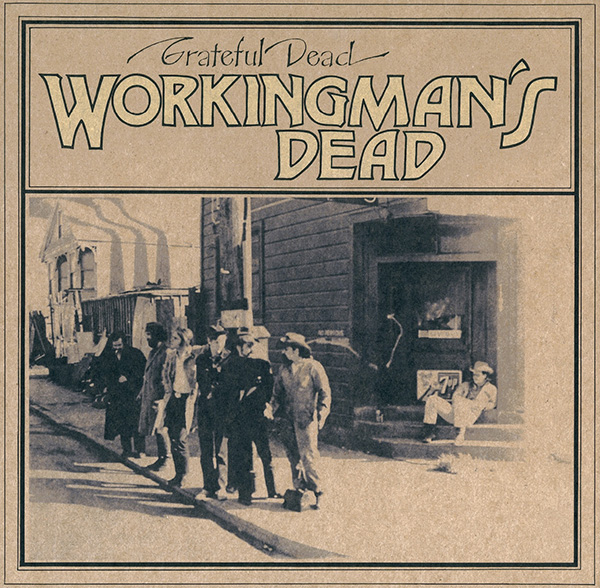
Just in the past decade, Workingman's Dead has been released as an HD digital download and stream, with the Plangent Process applied after the master-tape transfer; an all-analog deluxe LP record; a luxury-priced reel-to-reel tape; and a Blu-ray disc with 5.1, Dolby Atmos, and HD stereo listening options, the surround mixes produced by Dead drummer Mickey Hart. Going back to the '90s, it's been AAA-remastered to vinyl at least twice.
American Beauty has a similarly extensive reissue history, minus (so far) the reel tape and Blu-ray disc. Along with a deluxe all-analog Rhino High Fidelity LP, it was earlier cut to vinyl from the Plangent Processed digital master (see this article).
In the age of streaming, several versions of many Grateful Dead albums can be found on the platforms. Listeners can do some online sleuthing to discover the facts about each version—who did the mastering? What was the source tape? Was the Plangent Process used?—then listen and compare and find their favorite versions. Many of the Dick's Picks live albums stream, and the vault releases keep coming. The music never stops.—Tom Fine
Footnote 1: You can download a binaural recording I made at a March 1981 Dead concert in London's Rainbow Theatre from https://tinyurl.com/ykxah3nf. Microphones were a pair of Sony electret lavaliers hung in front of my earlobes; recorder was a Sony TCD-5 cassette. The recording ends abruptly when the Sony's batteries died. (Two of the March 1981 Rainbow concerts were released in 2025 as Dave's Picks Volume 56.)—John Atkinson