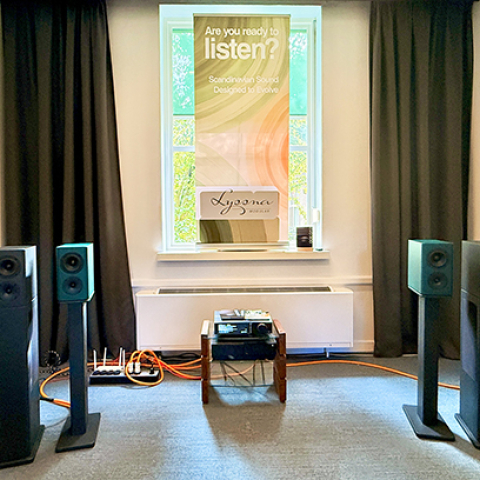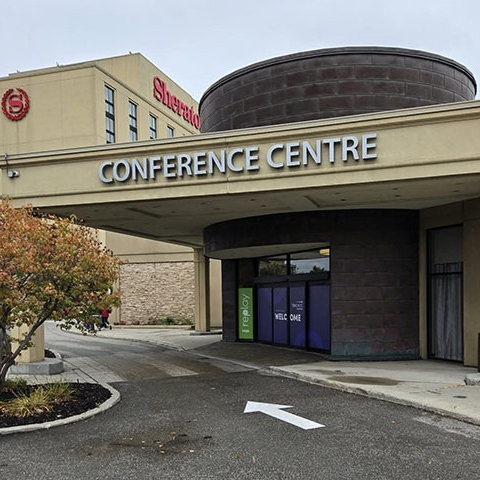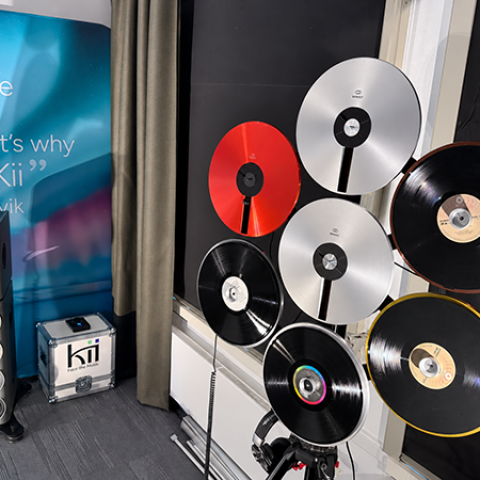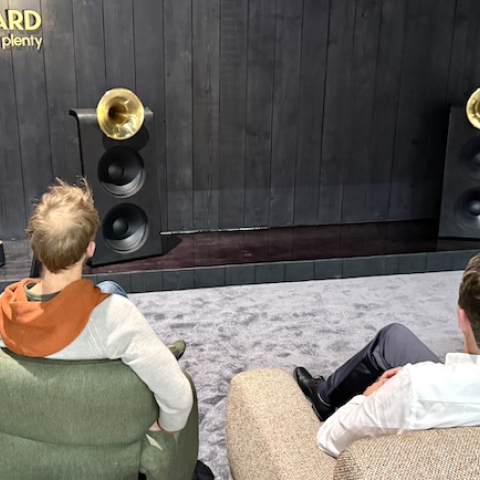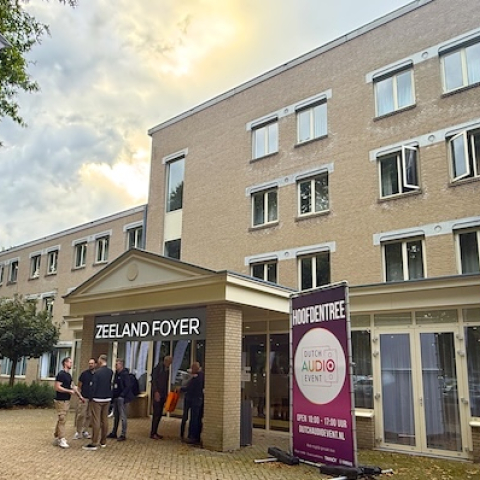

If Part 1 of my Toronto Audiofest report was any indication, this year's show—which was held at the Sheraton Toronto Airport Hotel & Conference Centre on October 16–18, 2026—continued to deliver on its intended promise of collective cheer, great gear, and musical bliss. Here's the second of my three T.O. show reports to further state the case.
Note: All provided SRPs are in Canadian dollars.
Altitudo kudos
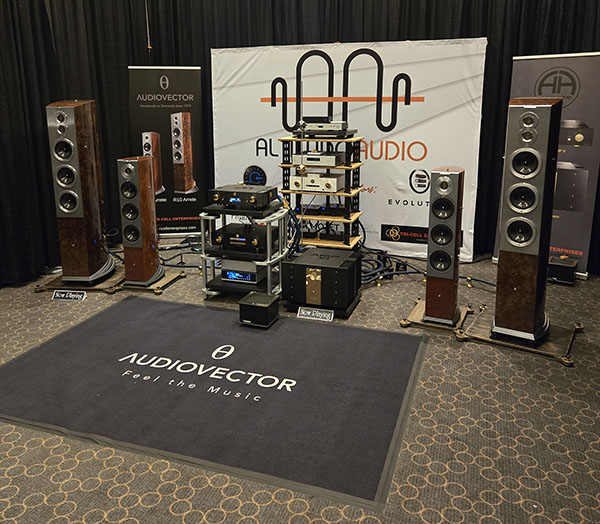
Every time I attend an audio show, I know I can count on Winnipeg-based retailer Altitudo Audio to deliver two things: plenty of cool gear and great sound. This time, however, they changed things up a bit. Instead of their usual setup—two standard-sized rooms filled with static displays centered around an active demo that can be reconfigured—they used one larger room for the active system, and another simply to display gear like storefront eye candy.
I thought it worked out well. The larger room allowed what was clearly a reference-level system to breathe and bloom to its potential, making it one of the most sonically satisfying demos I heard at the T.O. show.
That reference system featured a trio of Accustic Arts products: a Player III CD player, a fully balanced Tube Preamp V ($37,250), and a VI stereo amplifier ($70,000) driving a pair of Audiovector R 10 Avantgarde Arreté speakers ($200,000/pair), with cabling and power distribution by Siltech, accessories and power conditioning by Synergistic Research, and audio stands and platforms by HRS.
The Altitudo room also had some items on silent display—notably a tubed, high-rez, DSD-supporting Zesto Audio Athena DAC ($22,000), a tubed Aesthetix Romulus Eclipse CD player ($26,685), a pair of Audiovector R 5 Avantgarde Arreté speakers ($30,000/pair), and a Synergistic Research Quark music server ($13,500/1TB; $17,000/4TB).
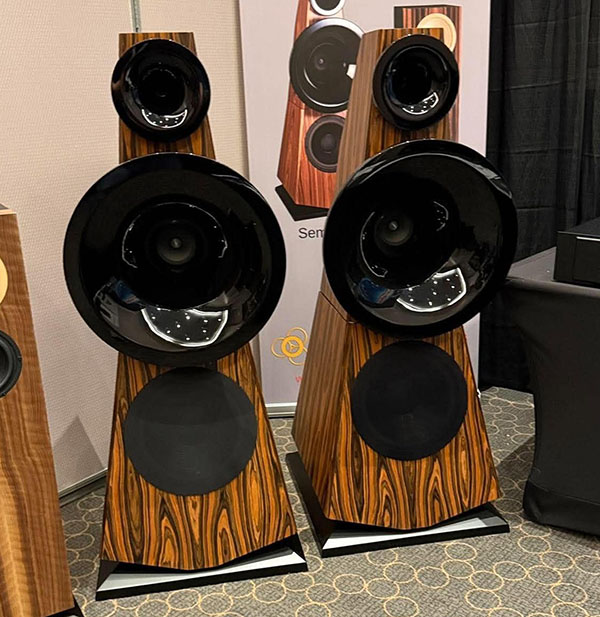
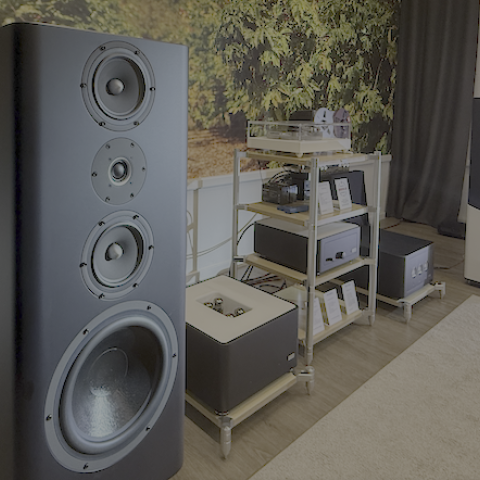
More was to be had in the adjoining room—albeit silently—with speakers lined against the walls. My attention was drawn to four models: the Harbeth Super HL5Plus XD2 ($7600/pair), Odeon Audio Semper ($65,000/pair; shown above), the AudioPhysics Stream 3 ($5200/pair), and the Kharma Elegance S7(-S) ($38,500/pair).
Back now to the main room, where I conducted my listening session. With mostly electronic fare, the soundstage produced by this reference system was jaw-dropping wide, molecularly charged, and colorfully sweeping. Bass was rock solid, and imaging was tight and palpable. The sound was carved out in space—and no matter where I walked around in the room, the imaging and soundstage stayed in place, like an actual physical monument built on the grounds of the exhibit room. Images didn't appear so much as sound like physical objects.
Although the system sounded grand and produced bass impact that could probably revive a stopped heart, it wasn't just about those things. It projected oodles of transient detail, delicate melodies, intricate tonal layers, and an energized sense of musical activity.
Cloner vehicles
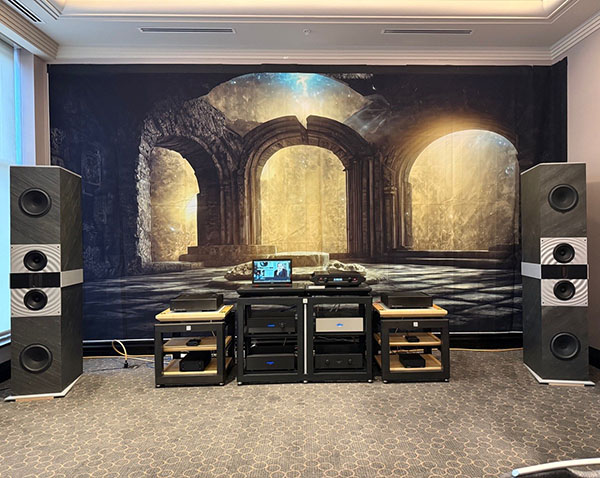
ArtistCloner brought back the Depth Wave X loudspeaker ($117,000/pair), which it had introduced in prototype form at the 2025 Montreal Audiofest. Now fully tweaked to designer Silvio Comtois's hard-to-be-satisfied satisfaction, the Wave returned at this show and delivered a tsunami (heh!) of sound.
And that it did, driven by a system that included a series of what I consider, having heard them several times, no-nonsense high-end audio products from Saturn Audio—namely its 202 DAC ($5800), 115W, class-AB 601 amplifier ($6500), and a 103C MKII Powerline filter ($3800), along with an ArtistCloner Coleo Senator preamp ($22,500).
Baetis Audio supplied the front end, which comprised a Reference 2TB HQore Roon core and HQPlayer processor ($8000), a Reference 4a endpoint ($12,000) that can also function as a Roon core, and a PowerOne 288W linear power supply with custom DC cable ($2400 for both). The HQore and Reference 4a were linked via fiber-optic cable using two Sonore opticalModule Deluxe units, each powered by a linear power supply.
On silent display were Baetis Audio's Prodigy Stream streamer/server ($4000) and Prodigy Qore Roon Core/HQPlayer processor ($3500). The HQPlayer can be configured to output natively or upsample signals to higher-rate PCM (768 kHz), or DSD up to DSD512. Rounding out the system were some of the most beautiful examples of form-following-function audio furniture I've seen by Tough Nut Audio, along with cabling by Van den Hul. Also on display (though silent during my room visit) was a Saturn Audio Class AB 701 integrated amplifier ($7500).
n "Turner's Ship," a 2014 collaboration between Malia and Boris Blank, the system produced room-filling, harmonically drenched sound, along with a solidly built, transparent soundstage, and corporeal, well-defined images.
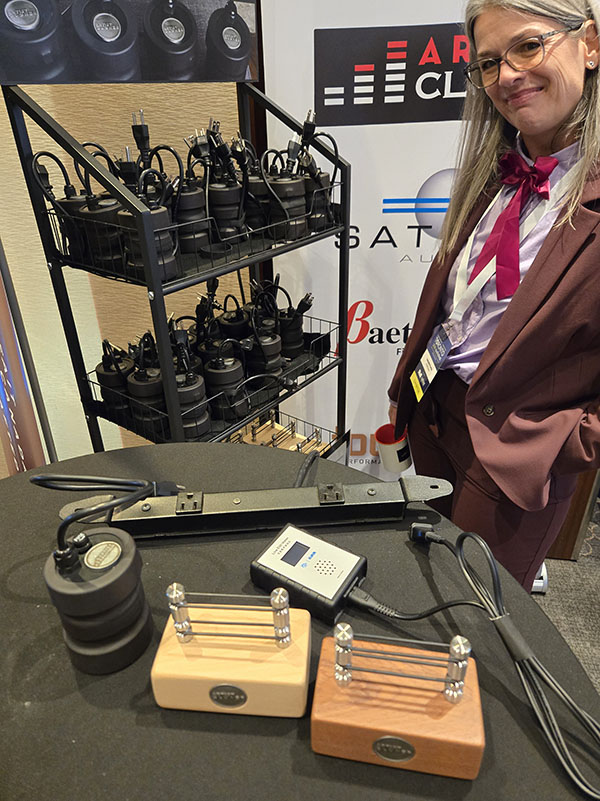
The cherry on the ArtistCloner sundae? That would have to be the two of the company's very neat accessories being showcased by Sylvio's ever-charming wife Isabelle (seen above) at the booth just outside the door in the hallway. Perhaps the prettiest cable risers I've seen in person, they're made of hardwood blocks, stainless steel pins, and black rubber bands ($100 each, with discounts for multiple purchases), and a Puratube V2 AC noise-reduction filter ($320; also available at a discount when buying more than one).
Isabelle performed a before-and-after comparison with a Puratube inserted into a power strip that was plugged into a hotel wall outlet, and the reduction in noise was astonishing. The Puratube almost entirely wiped out what had been a disturbingly high level of EMI and line-harmonic noise. Bravo!
Charisma, for reel
It wasn't unusual at the T.O. show to see analog and digital sources being demoed side by side—but the Charisma room was the only one I visited that instead featured two analog front ends, one of which I hadn't seen in any other room.
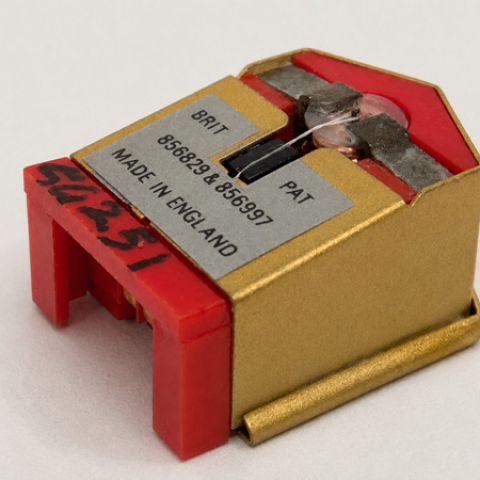
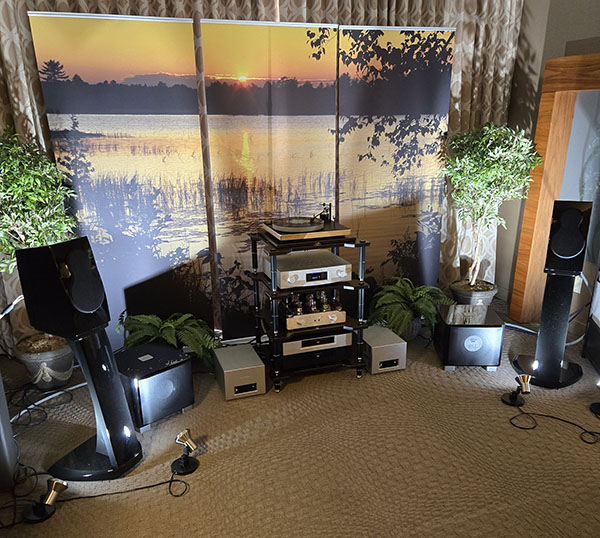
The analog playback format I saw in other rooms also in the Charisma room was, of course, vinyl. Charisma had set up a Well Tempered Lab Amadeus Junior turntable ($5230) fitted with a Charisma Audio YYZ low-output MC cartridge ($10,815), which fed a Wonder Audio Labs Reference tube phono stage ($22,000), an Audio Space Reference 2S tube preamp ($7140), and a pair of Kinki Studio EX-B7, class-AB, 250W monoblocks ($5410/pair).
Power conditioning was handled by two GigaWatt PowerPrime line conditioners, each paired with a PowerSync Plus power cord ($4065 per conditioner-and-cable combo). The system also included a pair of Charisma Audio Caprisse bookshelf speakers ($8370/pair) on matching stands ($2380/pair), and two REL Acoustics T/7x subwoofers ($1790 each).
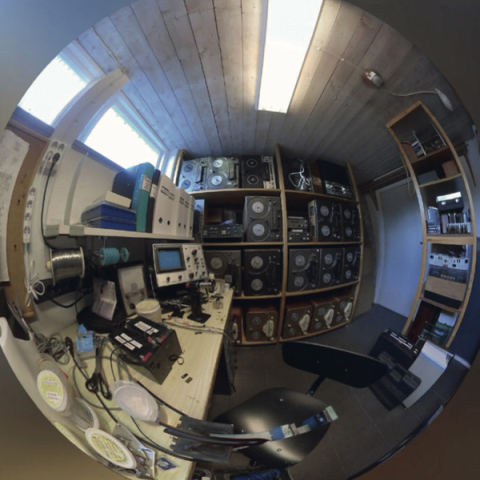
The other analog format—and the only other such example I spotted at the show—was a reel-to-reel tape machine, specifically a Revox PR99 MKIII refurbished by Charisma proprietor Bernard Li, who also helps design Charisma Audio-branded products. The Revox deck and 'table took turns driving the same system.
Both sources sounded wonderful. On an acoustic jazz track, the Revox deck delivered sound that was multicolored, texturally refined, organically paced, and teeming in microdynamics. On vinyl—again, spinning jazz—the sound was vivid, with instruments sounding well-defined, corporeal, dynamic, and tonally lifelike.
In other words, the joy of analog was very well represented in the Charisma room.
Hearken, who goes there
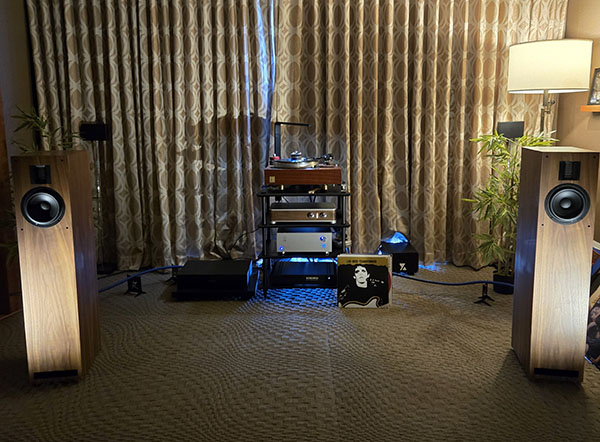
For the second time this year—the first being at the aforementioned Montreal Audiofest, back in March—the Hearken demo featured what I consider one of the best deals currently available in the new turntable market: the aptly named Jean Nantais Mighty Mite ($5,000). Built around a Lenco idler-wheel-drive turntable, the Mighty Mite incorporates substantially improved parts, a fancier, more robust chassis, and better construction.
At the T.O. show, the Mighty Mite was fitted with a Sorane SA-1.2 tonearm ($2275) and an Etsuro Urushi Gin-Nezu cartridge ($3200), rather than the Origin Live arm and Nagaoka cart used with it in Montreal. An I/K Model 6 record clamp ($800) completed the setup.
Not to be overlooked as far as performance goes was the other source I heard in this room: the 432 EVO Aeon music server ($13,000), which includes a bit-perfect mode that Hearken's Matt Thomas used during the demo to convert incoming steams to DSD—"I’m a big fan of DSD," he told me—as well as a Found Sound Davio Azure DAC ($5000), which supports native DSD playback and high-resolution PCM.
Both analog and digital sources proved synergistic partners for a 75Wpc, class-AB Serblin & Son Frankie Plus integrated amp/streamer ($5400) and a pair of Precide A.M.T. Antaras floorstanders, equipped with AMT ribbon tweeters and using transmission line enclosures.
Other products in the Hearken array included LAN and USB cables by Yeti and CAD, respectively, CAD Ethernet and grounding devices, HRS furniture, and a Cardas loom of Clear and Clear Beyond cables.
Each playback format stood out for different reasons: the digital front end for its colourful tonality, natural flow, explicit vocals, transparency, and texture; the analog front end for its microdynamically tactile presentation, sweet highs, enveloping atmosphere around solid images, and deep soundstage.
In both cases, I heard high-end sound at price levels many audiophiles would consider to be a good value.
They call me Macarena
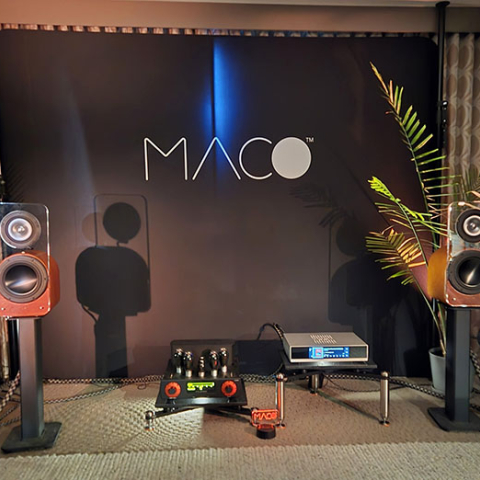
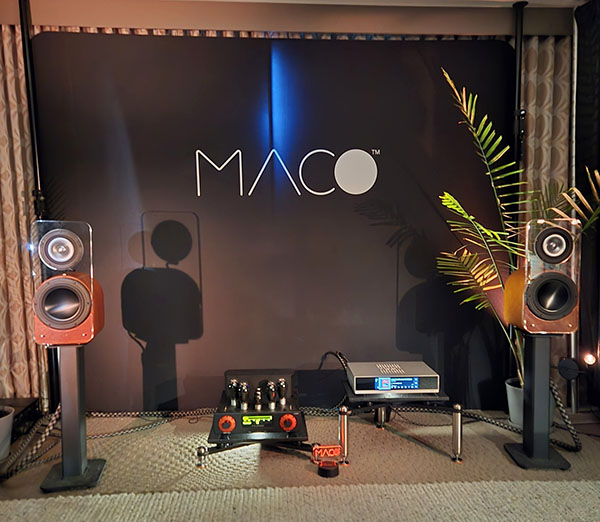
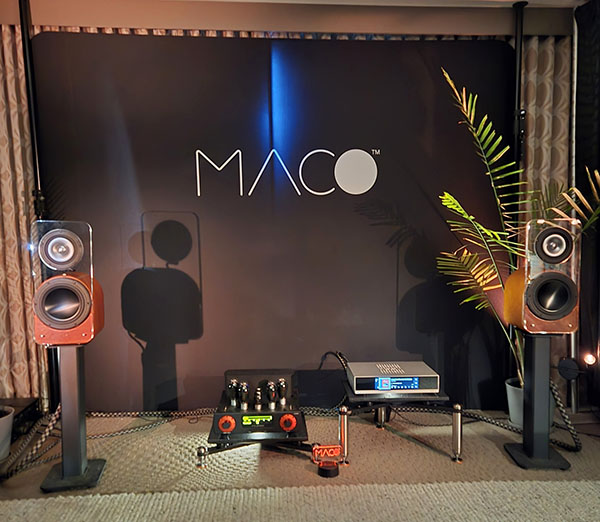
Maco Sound co-founders Deborah and Armando hosted a press event in their room at the show—complete with copious amounts of cold hors d'oeuvres and wine—to celebrate the launch of the company's new flagship standmount speaker, the open-baffle Macarena ($11,750/pair in one of the Signature fabric finishes; $12,950/pair in one of the Premium leather finishes).
Described as having been created to deliver "the openness and dimensionality of Maco’s larger dipole designs into a smaller form," the Macarena (shown below) looks uniquely stylish. Suspended within a transparent acrylic baffle are its two drivers: a magnesium-alloy tweeter fitted with a dispersion tail designed to counter standing waves and turbulence while projecting sound more naturally into the room, and an 8" woofer housed in a curved, specially damped, structurally inert enclosure made of a proprietary nanoparticle material. The speaker's bass extension is rated down to 35Hz (±6dB).
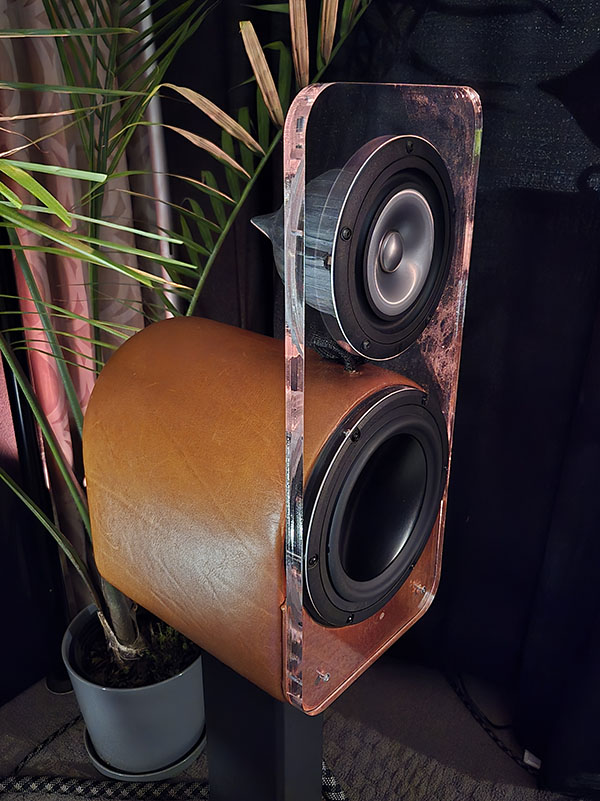
Maco Sound not only sells its own speakers; the company is also a retail outlet for a variety of other manufacturers' products, some of which were used in the demo. Driving the Macarena speakers were a dual-mono, class-AB, 250Wpc Matrix Audio MA-1 integrated amplifier ($12,000) and a Matrix Audio MS-1c music streamer/DAC ($6990). The latter uses AKM's Velvet Sound chip configuration, which supports PCM up to 32-bit/768kHz and DSD up to 1-bit/24.58MHz (DSD512). Cabling was by Viablue.
If the Macarena was designed to deliver an open, dimensional sound, then consider it mission accomplished. The sound beamed into the room, brimming with tactility, holographic imaging, a transparent soundstage, and a sense of reach-out-and-touch palpability.
Talk about the Passion room
Passion Audio was another room that touched my audiophile heart in its tenderest spot. The reasons were the exotic nature of the gear, the types of components on display, and, above all, the gravitational pull of the sound itself, which bordered on the transcendent.
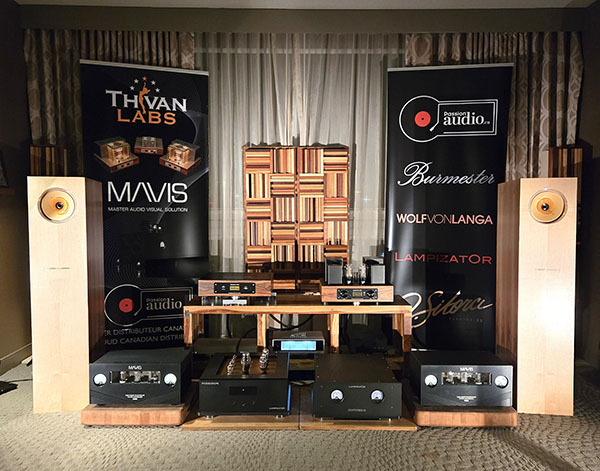
The system consisted of a pair of Wolf von Langa Organic speakers ($56,900), a ThivanLabs Ultimate 300 tube preamp ($18,800), a LampizatOr Poseidon-2 DAC/preamp ($39,800), a Matrix trio consisting of a NT-1 Reference network audio transport ($5990), SS-1 network switch ($1990) and a noise-suppressing SI-1 network isolator ($949). Amplification came from a pair of Mavis Lab P200 MK2 hybrid zero-feedback monoblocks ($13,700/pair), featuring a tube-based driver/voltage stage and a solid-state MOSFET output stage with custom transformers. Cardas Clear Reflection cabling was used throughout.
Before I get to the sound of this system, a word about the Mavis Lab monoblocks: these might have been the deal of the century at the show. Both Mavis Lab and ThivanLabs are Vietnam-based sister brands created and co-founded by the same team of Mr. Thi Nguyen and Mrs. Joe Nguyen. Both brands are new to the North American market, with Passion Audio’s Martin Leblanc handling their importation and distribution in Canada. As Martin explained to me, if Mavis Lab or ThivanLabs products were built in Japan, Europe, or North America, they would cost substantially more. (Mavis is short for Master Audio Visual Solution.)
Of course, the proof is in the pudding—or should I say, in the listening. And what I heard on a slow jazz track filled with piano, cello, accordion, and soprano saxophone was rhythmically suave, well-sorted, note-to-note limber, and threaded with colorful, filigreed detail. Sounds bloomed into life, full of nuance, dense tone, vivid timbres, and far-flung decays that seemed to slip into the ether.
Listening, I fell into a hypnotic state—almost a daydream. For a moment, I forgot where I was—and when I remembered, I sensed that my heart rate had actually slowed down.
It was a potent collection of gear.
S&S music factory
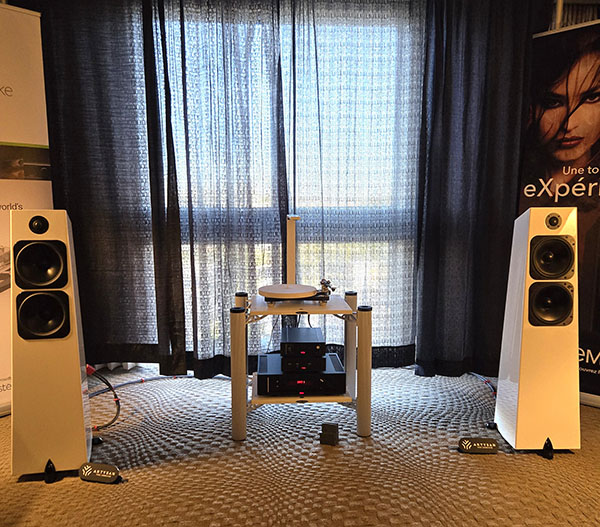
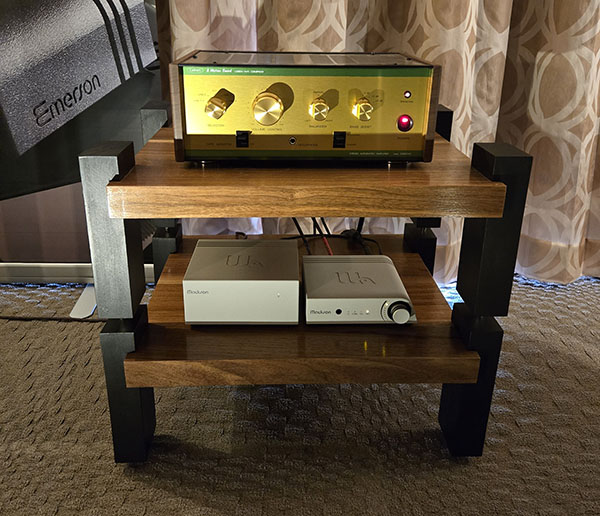
Retailer Speaker & Song and importer Phonographe were demoing a compact system that packed a lot of musical punch and proved one of the best values at the show. It included a pair of Revival Audio Atalante 3 speakers ($3995/pair) on matching Stand 2 stands ($450/pair), a Wattson Audio Madison LE network streamer/DAC ($7850) paired with its dedicated Madison Power S external power supply, and a 15Wpc Leben CS-300XS integrated amplifier. IsoTek power conditioning and power cabling and Toneline speaker cables and interconnects were also in tow. But wait—there's more.
I heard this system twice. The first time, I thought it sounded very good. High class, even. The second time, when I returned to the room on importer Erik Fortier's urging, it sounded remarkably better to the point of being, well, phenomenal.
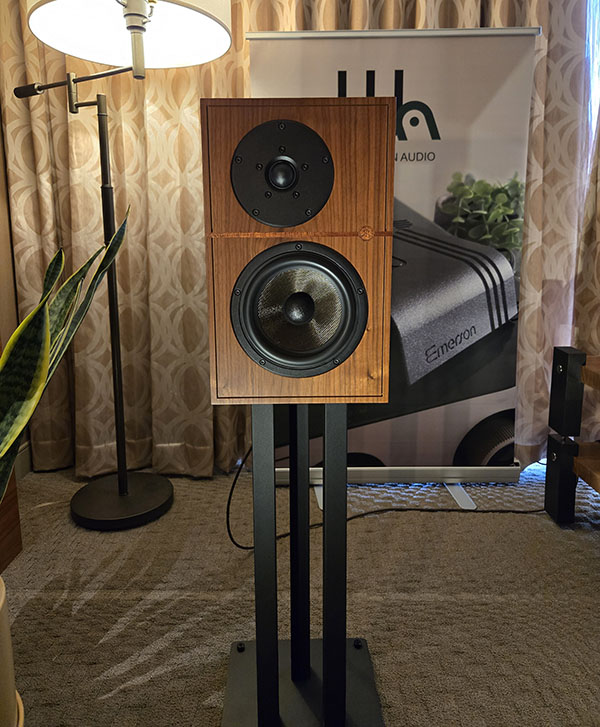
What changed? It was the addition of a pair of Acustica Applicata DAAD acoustic panels (starting at about $650 each)—called "sound harmonizers" on the Italian company's website—that weren't there first time. Placed centrally behind the speakers against the curtains, they, well, harmonized things significantly further. And despite instantly hearing the improvement in sound, I did not realize until later that those harmonizers had been added.
On well-recorded pop fare, the sound was quite stunning: very natural and finely defined, with authentic tone and timbre, a rich undercurrent of bass, and layered transparency. Female vocals sounded sweet, radiant, and holographically palpable.
For me, this was one of those special "do we need more than this?" systems.
Rega royale
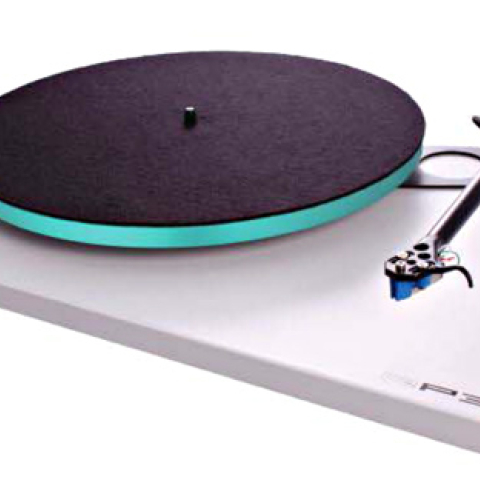
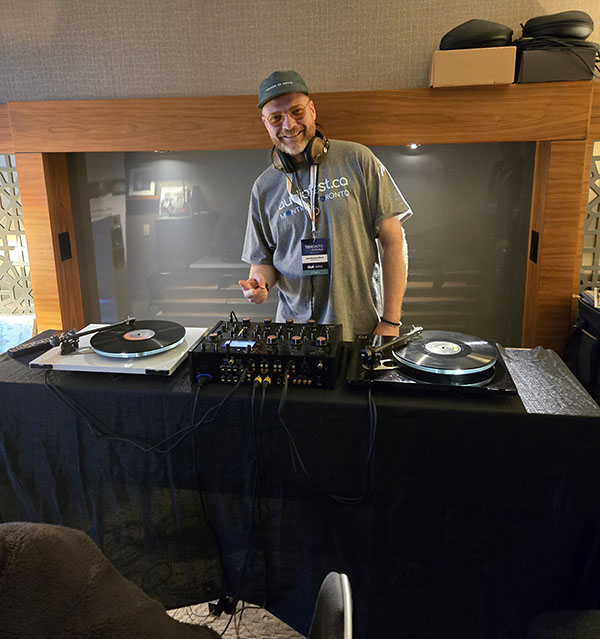
Rega, which hosted two exhibits at the show, had a few surprises up its sleeve. In its regular-sized hotel room, a live DJ spun records on two Rega Planar 3 turntables connected to a mixer, taking turns as a playback source with the company's Naia turntable and Aphelion 2 MC cartridge ($25,000 for the pair) in a battle for vinyl playback supremacy.
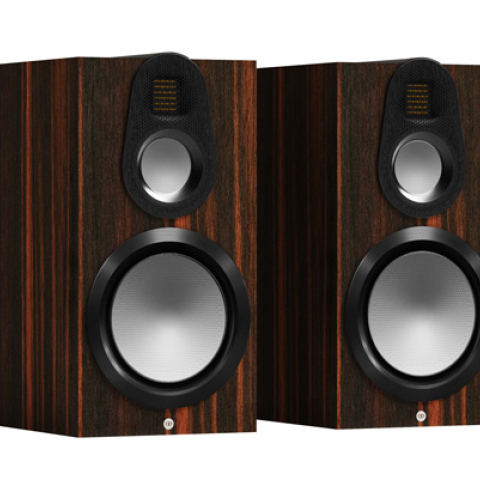
While the Naia was connected to an AOS MC phono stage ($2999), the DJ's mixer fed directly into the rest of the system, through a 162Wpc Rega Osiris integrated amplifier ($16,000) driving a pair of Totem Element Metal V2 speakers ($22,500/pair). Artysan cabling was used throughout.
Both configurations sounded great—the Naia for its engaging, sophisticated, top-tier, detailed reproduction of a pop instrumental track that kept me glued to my seat; and the DJ-spun Planar 3s for their propulsive, bass-pounding, chunky-clean, tone-thick sound with a track by Angine de Poitrine. That track hit so hard I struggled not to pogo dance—and I didn't. Professional decorum prevailed—thank goodness for me, and for all those present.
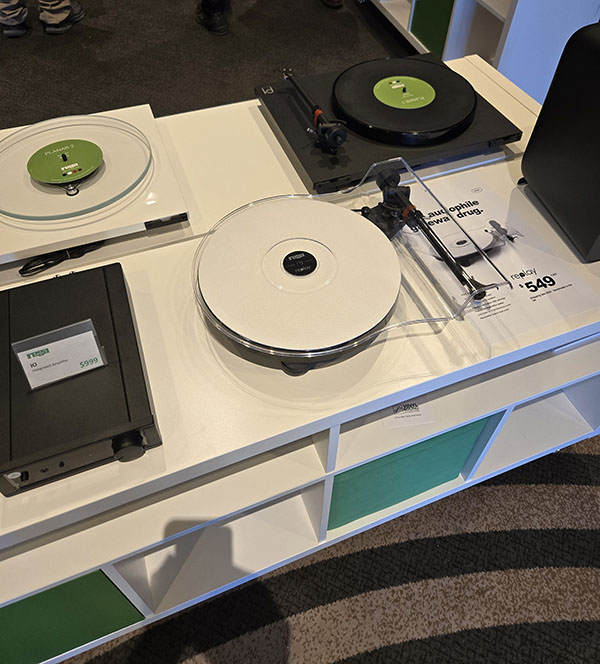
A few floors below, in Rega's second demo space—this one tucked into a hallway alcove—I got my first in-person look at the company’s just-released entry-level 'table, the Playback ($549). My first thought? What a wonderful way to bring more people into vinyl, and into our beloved audiophile hobby.